 By admin
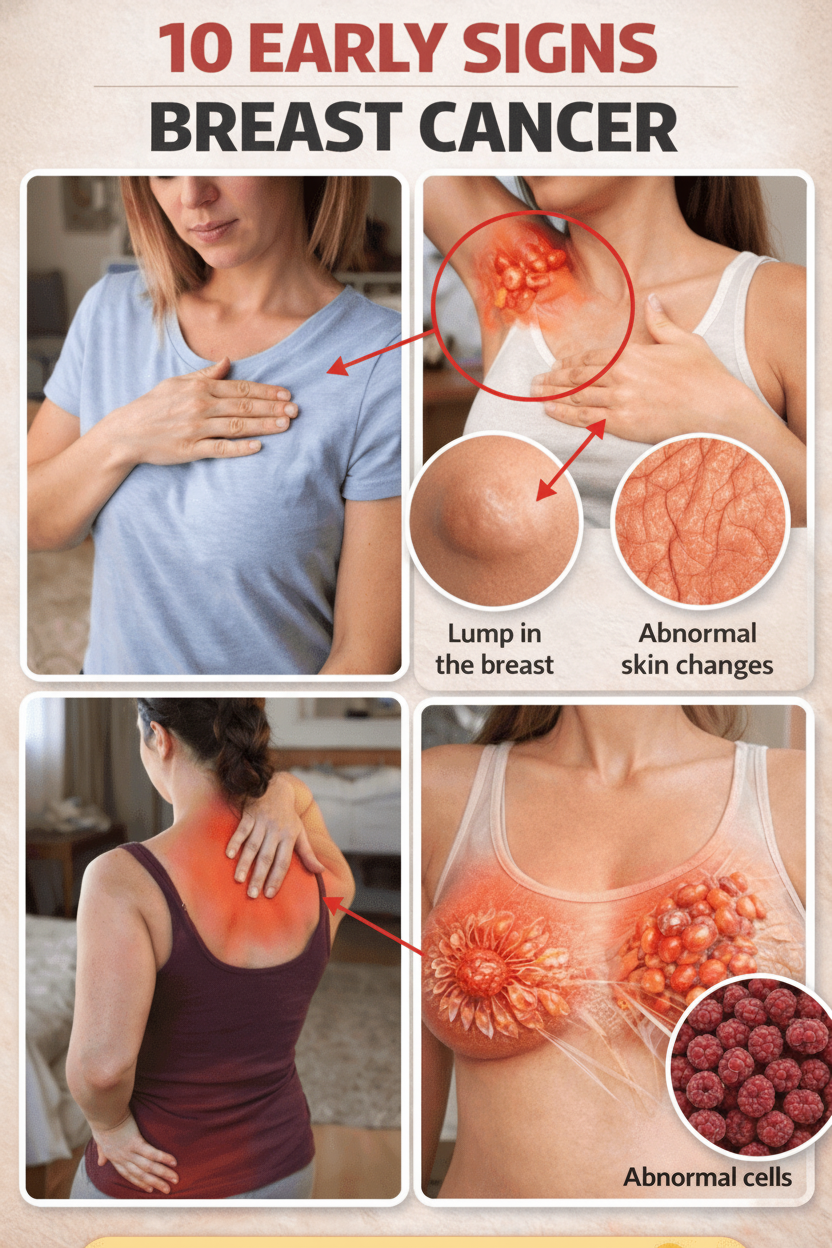
 Breast cancer remains a significant health concern for women globally, with countless cases detected only after noticeable physical changes manifest. Overlooking subtle alterations in breast health can unfortunately delay crucial medical intervention, a factor strongly linked to improved treatment outcomes, as highlighted by leading health organizations like the American Cancer Society. While these changes might initially seem minor, they warrant immediate attention because early awareness and prompt action can profoundly impact your health journey. This comprehensive guide will explore 10 key warning signs of breast cancer, supported by trusted medical sources, and outline practical steps you should take without delay. By the end, you’ll understand why constant vigilance regarding your body is more vital than you might imagine.
Why Understanding These Warning Signs Is Crucial
Breast changes are common and can stem from various benign causes, ranging from normal hormonal fluctuations to everyday physical wear. However, certain specific changes serve as potential red flags for breast cancer, according to experts from reputable institutions such as the CDC and Mayo Clinic. A critical point often missed by many women is that these **breast cancer symptoms** don’t always present with pain or dramatic, easily noticeable indicators. This is precisely why recognizing these signs early empowers you to seek medical advice sooner, potentially making a life-saving difference. Let’s delve into the most important signs you should actively monitor.
-
A New Lump or Thickening in the Breast or Underarm Area
Often considered the most recognized **warning sign of breast cancer**, the discovery of a new lump or an area of thickening in the breast tissue or under the armpit demands attention. Such abnormalities can vary in feel—they might be firm, soft, or even painless. A key characteristic of a potentially cancerous lump is its immobility; it may feel fixed and not easily shift when pressed. While numerous breast lumps are benign, any newly discovered or persistent lump necessitates prompt professional medical evaluation. Delaying a doctor’s visit to see if it resolves on its own is strongly discouraged.
-
Localized Thickening or Swelling in the Breast
Even in the absence of a distinct lump, you might observe that a specific section of your breast feels notably thicker or appears swollen compared to the surrounding tissue. This alteration can develop gradually and may affect only one breast. The American Cancer Society underscores that any swelling affecting all or part of the breast, even without a palpable mass, should be reported to your healthcare provider without delay. Such changes could indicate underlying issues requiring investigation.
-
Skin Dimpling, Puckering, or Irritation
Pay close attention to the surface of your breast skin. If it begins to dimple, resembling the texture of an orange peel (known as “peau d’orange”), or puckers when you lift your arms, these are significant concerns. Persistent irritation that doesn’t improve with standard treatments is also a red flag. These textural shifts occur because changes beneath the skin’s surface can pull on the outer layer. Many women describe an initial subtle “pulling” sensation that is easily dismissed. However, these skin alterations can manifest in various other ways, too.
-
Redness, Flaking, or Scaling on the Breast or Nipple
Unexplained redness or flaky skin, particularly around the nipple or extending across the breast, can resemble common conditions like a rash or eczema. However, if these symptoms persist and do not respond to typical topical creams, they warrant medical attention. In some instances, the skin may appear inflamed, or small, persistent sores might develop. Reputable health organizations, including the CDC, list these skin changes as crucial **breast cancer warning signs** that should prompt a consultation with your healthcare provider.
-
New Nipple Inversion or Retraction
If a nipple that previously pointed outward suddenly flattens, begins to turn inward, or retracts into the breast, this change should be noted immediately. This alteration can affect one or both nipples and often occurs without any associated pain. Experts at the Mayo Clinic emphasize that a newly inverted nipple is among the changes that require prompt medical evaluation, as it can be an indicator of underlying breast tissue changes.
-
Unusual Nipple Discharge
Any fluid discharge from the nipple that occurs when you are not pregnant or breastfeeding warrants medical attention. This is particularly true if the discharge is clear, bloody, pus-like, or if it emanates from only one breast. Spontaneous discharge, meaning it occurs without squeezing or manipulation, is especially noteworthy. Organizations such as Susan G. Komen strongly advise seeing a doctor for any unusual nipple fluid. It’s important to remember that some warning signs are less overtly visible but equally critical.
-
Unexplained Changes in Breast Size or Shape
You might notice a difference in the size, shape, or overall contour of your breasts, often affecting just one breast. This asymmetry can gradually develop over several weeks or months and may not be accompanied by pain. Be vigilant for swelling that causes one breast to appear significantly larger, or any shift that alters its overall appearance, indicating a potential underlying issue that requires investigation.
-
Persistent Breast or Nipple Pain
While breast cancer does not always present with pain, persistent discomfort in any part of the breast or nipple region that lingers beyond your menstrual cycle or other typical causes should not be dismissed. Pain, particularly when combined with other observed changes, raises a higher level of concern, as highlighted in guidelines from major health institutions. Always discuss unexplained or ongoing breast pain with your doctor.
-
Changes in Breast Skin Color or Texture (Beyond Dimpling)
Beyond the dimpling mentioned earlier, be alert for other changes in your breast skin. These can include unexplained darkening, persistent redness, or unusual warmth across a localized area of the breast. The skin might also become unusually firm, thick, or hardened. These alterations in color and texture, especially if they don’t resolve naturally, can be significant indicators of underlying issues and should be promptly evaluated by a healthcare professional.
-
Swelling in the Armpit or Collarbone Area
Though not directly on the breast, swelling in the lymph nodes located in your armpit or around your collarbone (above your shoulder) can be a crucial **sign of breast cancer**. This swelling might feel like a lump or thickening in these areas. Lymph nodes are part of your immune system, and their enlargement can indicate that cancer cells have spread to them. Any new or persistent swelling in these regions warrants immediate medical attention, even if no other breast changes are apparent.
What to Do Next: Your Proactive Steps
Recognizing these **early warning signs of breast cancer** is the first vital step. However, it’s equally important to understand that experiencing one or more of these symptoms does not automatically mean you have breast cancer. Many benign conditions can cause similar changes. The critical takeaway is that any new, persistent, or unusual change in your breasts should never be ignored. Trust your instincts about your body.
When to Consult a Doctor
- If you discover any new lump or thickening.
- If you notice any persistent changes in breast size, shape, skin, or nipple.
- If you experience unusual nipple discharge.
- If you have persistent, unexplained breast or nipple pain.
Do not wait for symptoms to become painful or more pronounced. Schedule an appointment with your healthcare provider as soon as possible to discuss your concerns. A doctor can perform a clinical breast exam, and if necessary, recommend further diagnostic tests such as mammograms, ultrasounds, or biopsies, to determine the cause of the changes. Early detection significantly improves **breast cancer treatment** outcomes and survival rates.
Stay Informed, Stay Vigilant
Regular self-examinations, understanding your body, and open communication with your doctor are your strongest tools in **breast cancer prevention** and early detection. Your health is paramount, and being proactive is the best way to safeguard it. Share this vital information with other women in your life to foster a community of awareness and support.