 By admin
 10 Critical Warning Signs of Pancreatic Cancer You Must Not Ignore
Have you ever experienced a faint yellowish hue to your skin or felt an overwhelming tiredness that persists despite adequate rest? Such subtle bodily alterations are often easy to dismiss as mere signs of stress or the natural aging process. However, for many individuals, these seemingly minor changes can be the body’s initial, quiet signals of a more serious underlying health issue. Pancreatic cancer, frequently dubbed a ‘silent killer,’ typically presents noticeable symptoms only in its advanced stages, underscoring the vital importance of early awareness. The American Cancer Society’s 2025 projections highlight the gravity of this disease, estimating that approximately 67,440 Americans will receive a pancreatic cancer diagnosis this year, with over 51,000 lives tragically lost. While the overall five-year relative survival rate hovers around 13%, this figure dramatically improves to 44% when the cancer is detected at a localized stage. Consequently, recognizing these nuanced early indicators can profoundly impact patient outcomes. This comprehensive guide will delve into 10 prevalent warning signs, drawing on expert insights from reputable organizations such as the American Cancer Society and the Mayo Clinic, empowering you to better understand and respond to your body’s cues.
Why Pancreatic Cancer Often Goes Unnoticed Early
Nestled discreetly behind the stomach, the pancreas plays a crucial dual role in both digestive processes and the meticulous regulation of blood sugar. In its nascent stages, pancreatic cancer often evades detection because tumors are typically small and do not immediately impinge upon critical surrounding organs or nerves. Data from the American Cancer Society regrettably indicates that a vast majority—over 80%—of pancreatic cancer cases are diagnosed at advanced stages, precisely when symptoms finally become undeniable. This unfortunate delay is largely attributable to the fact that early signs frequently mimic common, benign ailments such as routine indigestion or general tiredness. Nevertheless, a critical distinction arises when several of these symptoms manifest concurrently, particularly without any apparent explanation. The encouraging news is that increased public awareness of these specific symptom patterns can significantly empower individuals to proactively seek prompt medical evaluation, potentially leading to earlier diagnosis and improved treatment prospects.
The 10 Key Warning Signs to Watch For
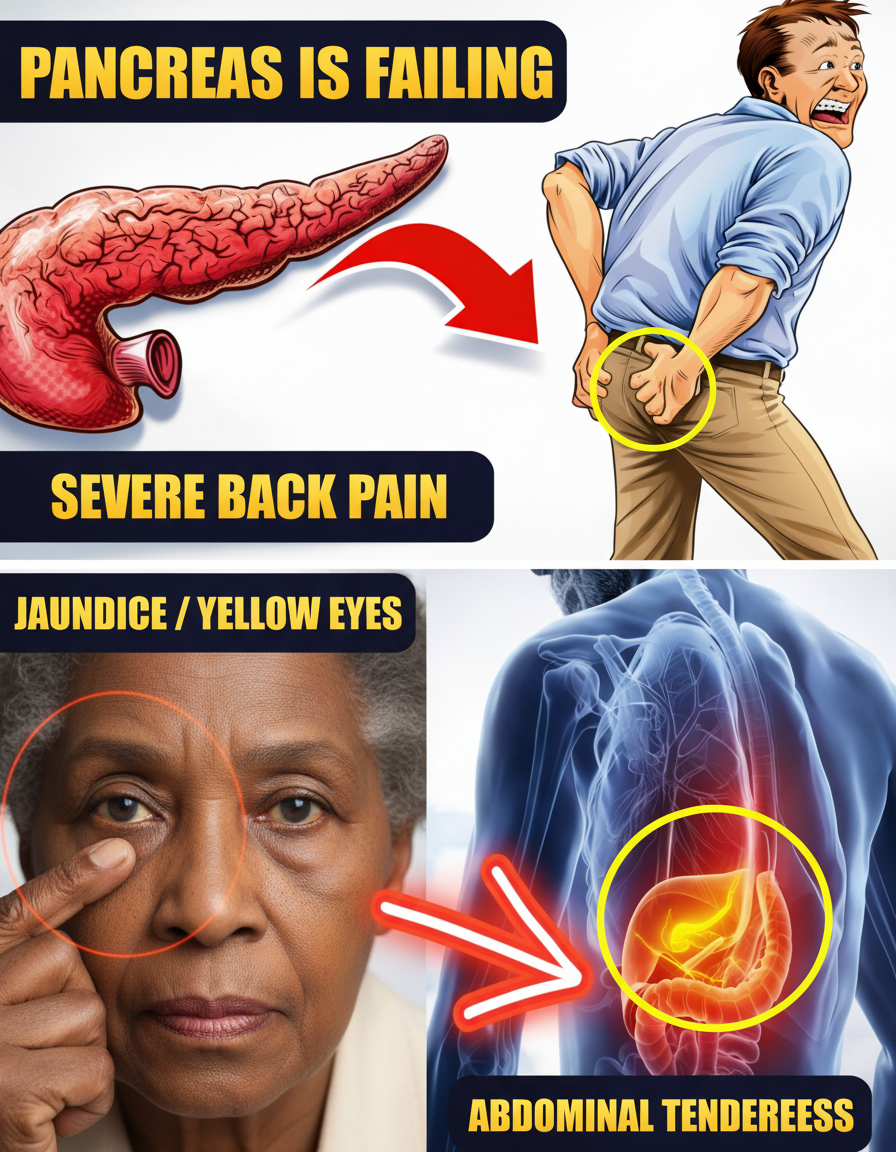
Below, we detail the ten most frequently observed warning signs of pancreatic cancer, compiled from authoritative medical guidelines. It is crucial to remember that while these symptoms can indeed arise from a multitude of less serious conditions, their persistence, worsening, or appearance in combination warrants immediate consultation with a qualified healthcare professional.
- 10. Persistent, Unexplained Fatigue Experiencing a profound and unrelenting exhaustion that persists even after adequate sleep is frequently among the initial symptoms reported. This debilitating fatigue can be a consequence of the body expending excessive energy battling underlying cellular changes, or it might signal impaired nutrient absorption due to pancreatic dysfunction. Research consistently highlights that this specific type of fatigue feels markedly more intense than typical daily weariness and, crucially, often escalates in severity over time, impacting daily life significantly.
- 9. Sudden Onset of Diabetes, Especially with Unintentional Weight Loss The sudden development of Type 2 diabetes, particularly in individuals over the age of 50 who lack typical risk factors and simultaneously experience unexplained weight loss, is a significant red flag that warrants careful investigation. Experts at the Mayo Clinic emphasize that pancreatic tumors can directly impair the organ’s ability to produce insulin, leading to a distinct form of diabetes known as ‘type 3c.’ Extensive studies have underscored that the combined presentation of newly diagnosed diabetes and unexplained weight reduction dramatically heightens suspicion for pancreatic cancer. This particular combination of symptoms frequently manifests several months, or even years, before other more commonly recognized indicators emerge.
- 8. Changes in Stool—Greasy, Floating, or Pale Noticing stools that are greasy, consistently float in the toilet, appear unusually pale, or emit a distinctly foul odor are strong indicators of impaired fat digestion. This occurs when the pancreas is unable to secrete a sufficient quantity of digestive enzymes, often due to a blockage in the pancreatic ducts or the direct impact of a tumor. The American Cancer Society identifies these specific stool changes as a classic diagnostic clue, though it is frequently dismissed by individuals as merely diet-related.
- 7. Dark Urine Despite Good Hydration A noticeable darkening of urine to a shade resembling tea or cola, especially when observed concurrently with pale stools, suggests a buildup of bilirubin in the body. This accumulation typically results from blocked bile ducts, often caused by a pancreatic tumor. It represents a visible and concerning change that commonly accompanies other digestive disturbances.
- 6. Itchy Skin Without Any Visible Rash Experiencing intense, generalized itching across the body, particularly exacerbated during nighttime hours and without any visible skin rash, can be a symptom of accumulating bile salts beneath the skin’s surface. Individuals often describe this pruritus as profoundly frustrating and unresponsive to conventional anti-itch treatments, indicating an internal cause.
- 5. Jaundice: Yellowing of the Skin and Eyes The distinct yellowing of the skin and the whites of the eyes, medically termed jaundice, stands out as one of the more unmistakable and readily observable symptoms. This is particularly true for tumors located in the head of the pancreas, which can block the bile duct. Medical professionals highlight that the unmistakable nature of jaundice often prompts individuals to seek medical attention sooner, thereby offering a comparatively better opportunity for earlier diagnosis and intervention.
- 4. Ongoing Abdominal or Back Pain A persistent, dull ache localized in the upper abdomen that often radiates through to the back is a frequently reported symptom. This discomfort typically intensifies after eating or when lying flat. Pancreatic tumors can exert pressure on adjacent nerves and organs, initially causing pain that might be mistaken for common indigestion or muscular strain. However, its persistent nature and specific aggravating factors make it a crucial indicator.
- 3. Loss of Appetite and Frequent Nausea A sudden and inexplicable aversion to foods previously enjoyed, coupled with persistent feelings of nausea, can significantly reduce food intake and lead to smaller meal portions. This profound disruption to normal digestive processes is a common consequence of pancreatic issues and should not be overlooked.
- 2. Unintentional Weight Loss Losing a significant amount of weight—typically 10 pounds (approximately 4.5 kg) or more—without any conscious effort or dietary changes is a highly concerning symptom. This unintentional weight loss is often linked to compromised nutrient absorption, a diminished appetite, and the body’s systemic response to a serious illness. It serves as a hallmark symptom that strongly warrants medical investigation, especially when observed alongside other warning signs.
- 1. Persistent Bloating, Fullness, or Indigestion Experiencing persistent sensations of bloating, premature fullness after eating only small amounts, or chronic indigestion that doesn’t respond to typical remedies can indicate underlying pancreatic issues. These symptoms suggest a disruption in the digestive system’s normal functioning and should be evaluated if they persist or worsen.
In conclusion, while many of these symptoms can be attributed to less severe conditions, their persistence, combination, or sudden onset, particularly without a clear explanation, should never be ignored. Pancreatic cancer’s insidious nature makes early detection exceptionally challenging but critically important for improving survival rates. By familiarizing yourself with these vital warning signs and acting promptly to consult a healthcare professional, you empower yourself to take control of your health. Your body often provides subtle clues; learning to listen to them can make all the difference.