 By admin
 10 Subtle Early Warning Signs of Fatty Liver You Shouldn’t Ignore
Fatty liver disease, now often referred to as Metabolic Dysfunction-Associated Steatotic Liver Disease (MASLD), frequently progresses without noticeable symptoms in its initial stages. This silent progression means many individuals remain unaware of the condition until it’s detected during routine medical examinations. Linked to lifestyle factors such as excess weight, suboptimal dietary choices, and sedentary habits, this condition can gradually impair the liver’s ability to process energy and nutrients effectively.
The challenge lies in the fact that by the time overt symptoms manifest, the liver may already be under considerable strain. However, there’s good news: recognizing these subtle indicators early and implementing straightforward lifestyle adjustments can significantly contribute to improved liver health. This article will guide you through the top 10 signs to monitor, along with practical steps you can take promptly.
Why Fatty Liver Often Goes Undetected Initially
Leading health organizations like the Mayo Clinic and Cleveland Clinic emphasize that MASLD typically presents with no clear symptoms during its early phases. Many individuals only discover they have it incidentally, perhaps during blood tests or imaging conducted for unrelated health concerns. When symptoms do emerge, they are often mild and easily dismissed as common fatigue or minor discomfort. Nevertheless, overlooking these subtle cues can allow the condition to advance.
Research consistently points to lifestyle factors as critical contributors, suggesting that small, consistent daily changes can be highly effective in managing potential risks. But to truly understand the threat, it’s essential to delve into the most frequently reported signs so you can identify them before they become more severe.
1. Persistent Fatigue and Low Energy Levels
One of the earliest and most common complaints is an unusual sense of tiredness, even after adequate sleep. The liver plays a vital role in energy regulation, and when burdened by excess fat, its efficiency can decline. Individuals often describe this as a persistent “brain fog” or exhaustion that doesn’t respond to caffeine or additional rest. Studies frequently identify chronic fatigue as a key indicator in many cases of fatty liver. If this resonates with you, observe your energy patterns throughout the day and note any correlation with meals or physical activity.
2. Discomfort or Fullness in the Upper Right Abdomen
You might experience a dull ache, a feeling of pressure, or a sensation of fullness on the right side beneath your ribs – the location of your liver. This isn’t usually sharp pain but rather an uncomfortable awareness, particularly after consuming heavier meals. Institutions such as Johns Hopkins Medicine highlight this as a common early signal when the liver slightly enlarges due to fat accumulation. Do not dismiss this as mere indigestion. Simple adjustments, like eating smaller portions or avoiding late-night snacks, can sometimes alleviate this discomfort.
3. Unexplained Weight Fluctuations or Reduced Appetite
Some individuals may notice gradual, unintentional shifts in their weight, or simply a diminished interest in food. This can stem from the liver’s impaired ability to process nutrients effectively. While weight gain, especially around the midsection, is often associated with related metabolic issues, unexpected weight loss can also occur as the condition progresses. Pay close attention to your eating habits. If your appetite decreases without an apparent cause, consider it a prompt to reassess your routine.
4. General Feeling of Being Unwell (Malaise)
A vague sensation that something isn’t quite right often accompanies fatty liver. You might feel “off” without being able to pinpoint why, perhaps experiencing mild nausea or overall weakness. This non-specific malaise is frequently cited in clinical overviews from sources like the NHS and Cleveland Clinic. While it’s easy to attribute such feelings to stress or aging, when coupled with other signs, it warrants closer attention.
5. Mild Nausea or Digestive Discomfort
Occasional queasiness, abdominal bloating, or a feeling of sluggish digestion can be present. The liver is central to breaking down fats and detoxifying the body, so an overload can disrupt normal gastrointestinal function. Opting for lighter meals and ensuring adequate hydration may help ease these digestive issues.
Here Are 5 More Advanced Signs That May Indicate Progression
While early-stage fatty liver tends to be subtle, more pronounced changes can develop over time, especially if inflammation or scarring (fibrosis/cirrhosis) begins to occur:
- Persistent itching of the skin without any visible rash
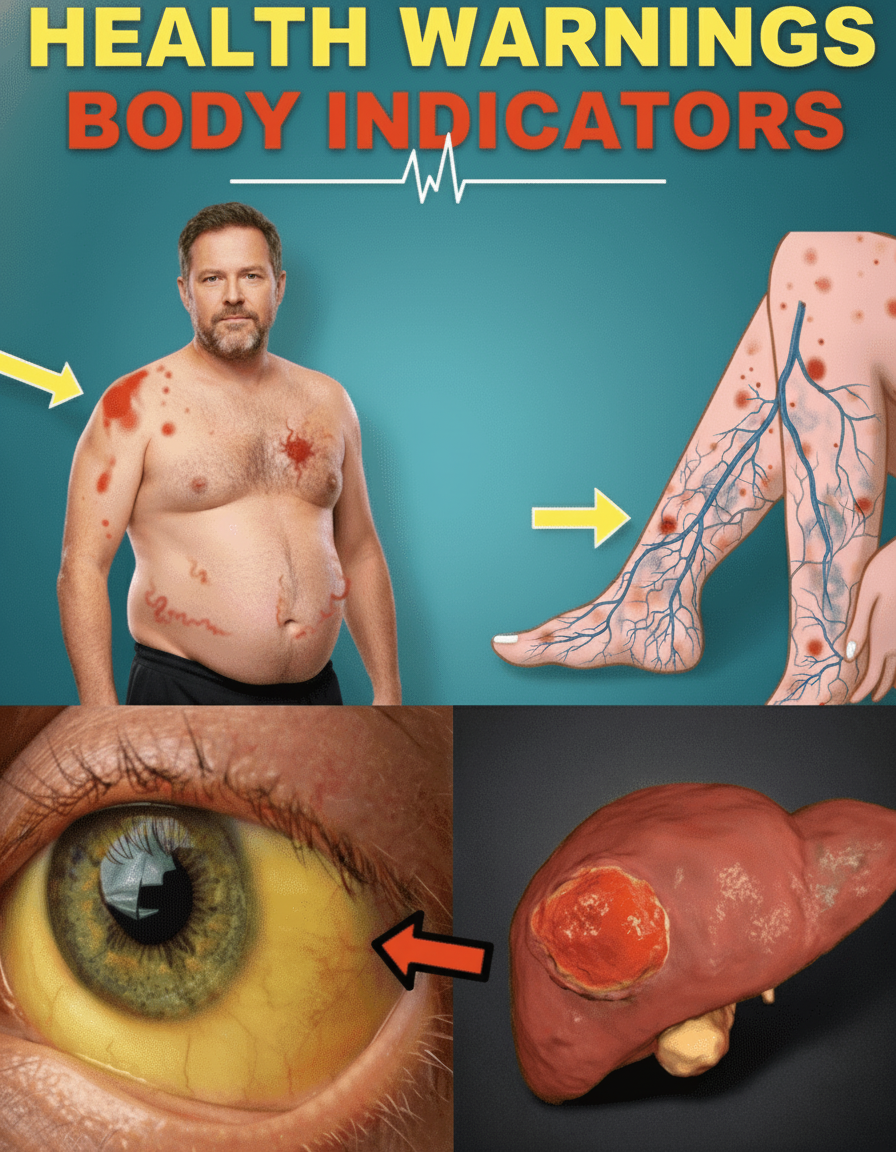
- Yellowing of the skin or the whites of the eyes (jaundice)
- Noticeable swelling in the abdomen or legs (edema)
- The appearance of spider-like blood vessels on the skin (spider angiomas)
- Dark-colored urine or unusually pale stools
These advanced symptoms necessitate immediate medical evaluation, as they suggest more significant liver involvement and potential complications.
Quick Comparison: Early vs. Later Indicators of Fatty Liver
Understanding the distinction between initial and more advanced signs is crucial for timely intervention:
Early Stage (Often Subtle or Mild): Persistent fatigue, mild upper right abdominal discomfort, a general feeling of being unwell, and subtle changes in appetite.
Later Stage (More Obvious and Concerning): Jaundice (yellow skin/eyes), significant swelling, intense skin itching, visible spider veins on the skin, and changes in urine or stool color.
”
}
“`