 By admin
 10 Subtle Neurological Shifts That Demand Early Attention for Brain Health
Most individuals occasionally encounter minor physical sensations like a fleeting headache, a brief spell of dizziness, or slight fluctuations in their daily well-being. It’s common to attribute these to everyday factors such as stress, inadequate sleep, or the natural aging process. However, when certain patterns of these symptoms persist, intensify, or begin to cluster together, they could potentially indicate elevated pressure or other significant alterations within the cranium, warranting a professional medical evaluation.
The prospect of a serious brain condition can be profoundly unsettling and frightening. While no one wishes to experience undue anxiety, ignoring persistent signals might inadvertently delay crucial diagnosis and intervention. Leading institutions like the Mayo Clinic and Cleveland Clinic emphasize that understanding common neurological patterns empowers individuals to seek medical advice sooner rather than later. This comprehensive guide will illuminate 10 specific changes that medical experts frequently associate with potential brain-related concerns. The reassuring news is that many of these indicators ultimately prove to be benign; nonetheless, being informed about what to observe enables you to take proactive steps. Continue reading to discover practical methods for monitoring your symptoms and discerning when it’s time to consult a healthcare professional.
Understanding the Origins of Neurological Symptoms
The brain is meticulously safeguarded within the skull. Consequently, any internal growth or swelling can exert pressure on adjacent brain regions. This internal pressure or irritation often manifests in noticeable effects, with symptoms varying based on the specific area impacted. Research suggests that headaches are present in approximately half of all cases involving brain tumors, while other signs such as visual disturbances or equilibrium challenges show considerable variability. It’s crucial to remember that these symptoms are not exclusive to a single condition; they frequently overlap with numerous common health issues. The key lies in recognizing if they represent a new onset, are consistently present, or are progressively worsening over time.
10 Indicators Worth Monitoring for Brain Health
Based on insights from reputable medical sources, here are some of the most frequently discussed early neurological indicators:
1. Headaches with Altered Characteristics
While headaches are a widespread complaint, certain characteristics warrant closer scrutiny. These might include headaches that are markedly worse upon waking, those that rouse you from sleep, or pains that intensify with actions like coughing, bending over, or lying flat. Over time, they may increase in frequency and become less responsive to standard pain relief measures.
2. Unexplained Nausea or Vomiting
Experiencing persistent queasiness or episodes of vomiting, particularly in the morning or concurrently with headaches, can be a sign of accumulating intracranial pressure. This differs from typical gastrointestinal upset as it often lacks other digestive symptoms like diarrhea or stomach pain.
3. Visual Disturbances
Symptoms might include blurred vision, double vision (diplopia), or a partial loss of peripheral (side) vision. Some individuals report difficulty reading or perceiving objects as distorted. These changes may be subtle initially but can gradually worsen.
4. Seizures or Involuntary Muscle Jerks
For an individual with no previous history of epilepsy, even a single unexplained seizure event can be medically significant. These can manifest as brief staring spells, localized muscle twitching, or full-body convulsions.
5. Impaired Balance or Coordination
Feeling uncharacteristically unsteady, experiencing persistent dizziness, or noticing increased clumsiness – such as frequently bumping into objects or struggling to walk in a straight line – may indicate issues within the brain regions responsible for motor control.
6. Weakness or Numbness
A gradual or sudden decrease in strength in a limb (arm or leg) or on one side of the body, or persistent sensations of tingling and numbness, can occur if specific neural pathways are compromised.
7. Speech or Language Difficulties
Subtle challenges like struggling to recall words (anomia), slurred speech (dysarthria), or difficulty comprehending conversations or written text might emerge gradually.
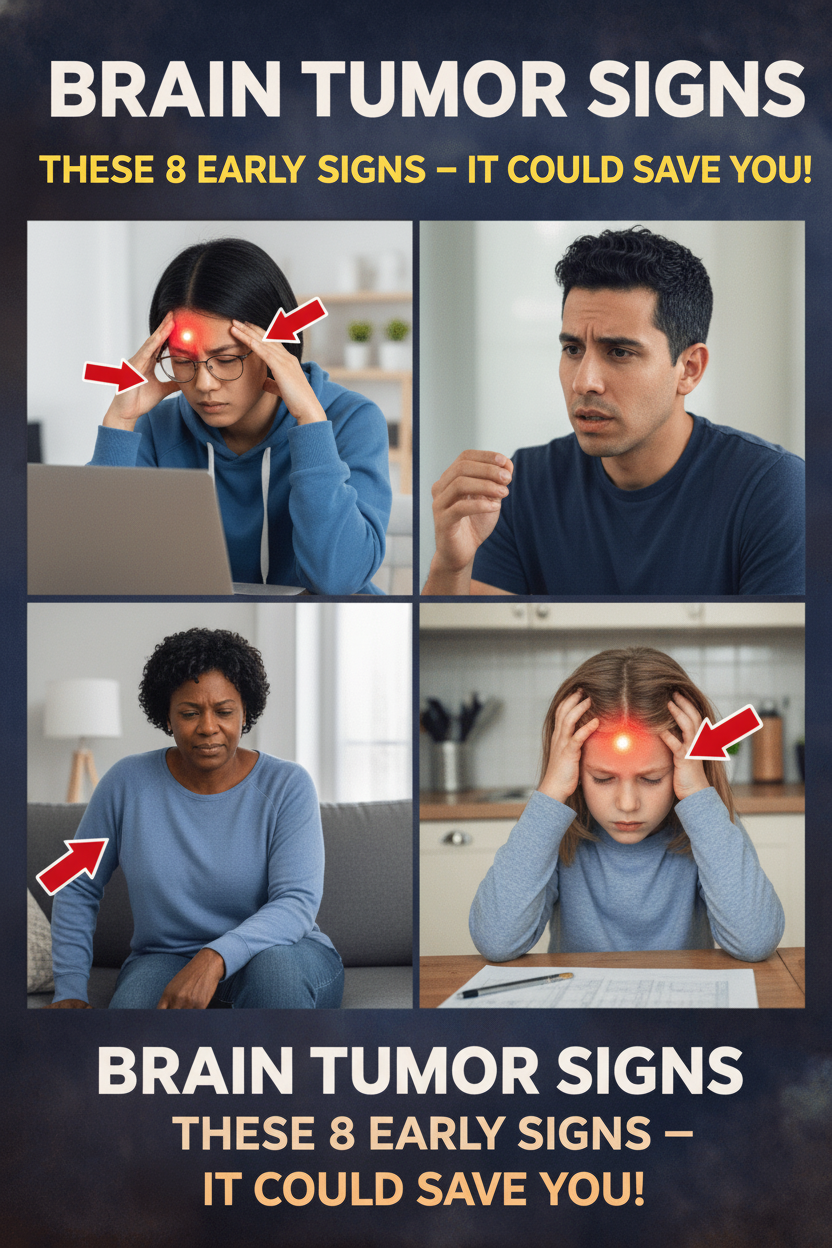
8. Cognitive or Memory Shifts
More frequent instances of forgetting recent events, persistent trouble concentrating, or a general feeling of mental fogginess and impaired clarity can develop slowly over time.
9. Personality or Mood Alterations
Becoming unusually irritable, socially withdrawn, or exhibiting noticeable shifts in behavior that others comment on can sometimes be linked to changes in the frontal lobes of the brain.
10. Hearing Problems or Tinnitus
Ringing in one or both ears (tinnitus), unilateral hearing loss, or muffled auditory perception may occur, depending on the affected brain region. It’s important to note that these individual symptoms can also combine in unique ways. For instance, a headache accompanied by blurred vision might naturally raise more concern than either symptom appearing in isolation.
Quick Comparison: Everyday Concerns vs. Potentially Serious Patterns
Headache Timing: An everyday headache might follow prolonged screen time or a stressful day. A potentially concerning pattern includes headaches that are worse upon waking or consistently wake you during the night.
Nausea: Common nausea can result from food sensitivities or motion sickness. A concerning pattern involves persistent nausea, especially when linked to sensations of head pressure.
Vision: Temporary blurry vision might stem from fatigue or eye strain. A pattern that might need attention is persistent or worsening blurriness or double vision.
Seizures: For adults, a new onset seizure without any known trigger is a significant concern, differentiating it from an individual with a pre-existing seizure disorder.
Balance: Brief unsteadiness might occur after spinning or an inner ear infection. An ongoing, unexplained sense of imbalance or clumsiness warrants further investigation.
Maintaining a simple journal to track these observations can significantly help in identifying trends and changes over time.
Proactive Steps You Can Take Now
Do not hesitate to seek medical advice if any symptom feels out of the ordinary or causes concern. Early consultation with a doctor frequently offers reassurance and can lead to timely intervention if necessary. Being proactive about your brain health is always the best approach.