 By admin
 12 Crucial Uterine Warning Signs: What Your Body Is Telling You
Many women tend to overlook or dismiss alterations in their menstrual cycles, pelvic comfort, or energy levels, often attributing them to the normal ebb and flow of life. However, these subtle shifts can sometimes be vital signals from your uterus. Consider this: up to 80% of women may develop uterine fibroids by the age of 50, as reported by sources like the Office on Women’s Health. Similarly, conditions such as endometriosis affect approximately 10% of reproductive-age women globally, according to the World Health Organization.
Such health concerns can manifest through disruptive symptoms like heavy bleeding, persistent pain, or debilitating fatigue, significantly impacting daily routines, professional life, and personal relationships. Ignoring these early, often subtle, indicators might allow underlying issues to worsen. Conversely, paying close attention and acting promptly can empower you to take informed steps towards better health and well-being.
In this comprehensive guide, we will delve into 12 common warning signs that could point to uterine-related concerns, including fibroids, endometriosis, or hormonal imbalances. These indicators, backed by insights from reputable medical sources, are far more prevalent than many realize. Stay with us until the very end for an invaluable tip that countless women find beneficial for effectively tracking and managing their symptoms.
The Hidden Impact of Uterine Changes on Women’s Lives
For women navigating their 20s through 50s, the demands of careers, family, and daily life often mean enduring escalating discomforts. Research highlights that menstrual irregularities affect 14-25% of women of childbearing age (NICHD), while heavy menstrual bleeding impacts over 10 million women in the U.S. annually—a staggering figure representing about 1 in 5 (CDC).
What might begin as occasional heavy periods or mild cramps can gradually intensify, leading to chronic exhaustion from anemia, strained intimacy, or a constant sensation of pressure that severely restricts daily activities. These experiences are not always “just a part of being a woman.” Conditions like uterine fibroids (noncancerous growths within the uterus) or endometriosis (tissue similar to the uterine lining growing outside the uterus) are frequent contributors to these symptoms. While many women initially resort to home remedies, understanding these specific signs is crucial for fostering more productive conversations with healthcare providers. Here’s a detailed look at what you should be monitoring:
Sign #1: Irregular Periods – When Your Cycle Becomes Unpredictable
If your menstrual cycle frequently arrives too early, too late, skips months entirely (in the absence of pregnancy), or demonstrates significant variations in length, it could be a red flag. These inconsistencies might signal hormonal imbalances, Polycystic Ovary Syndrome (PCOS), or structural changes such as fibroids. Studies consistently show that 14-25% of women experience such irregularities. Many women report feeling frustrated and anxious about their fertility prospects or overall health. Diligently tracking your cycle using an app or a journal can help unveil patterns that warrant a discussion with your doctor. Often, irregularities in timing are accompanied by changes in flow—which brings us to our next crucial sign.
Sign #2: Heavy Menstrual Bleeding – More Than a “Heavy Flow”
Experiencing menorrhagia, characterized by soaking through pads or tampons hourly, periods lasting beyond 7 days, or passing large blood clots, can leave you feeling profoundly fatigued and potentially lead to iron deficiency. Heavy menstrual bleeding affects up to 1 in 5 U.S. women and can be linked to conditions like fibroids or adenomyosis. This isn’t merely an inconvenience; over time, it can result in anemia. If you find yourself constantly adjusting your schedule around heavy bleeding or feeling persistently exhausted, it’s imperative to take note and seek medical advice. You’ve now explored two key indicators—continue reading for more essential insights.
Sign #3: Severe Menstrual Cramps – Pain That Disrupts Life
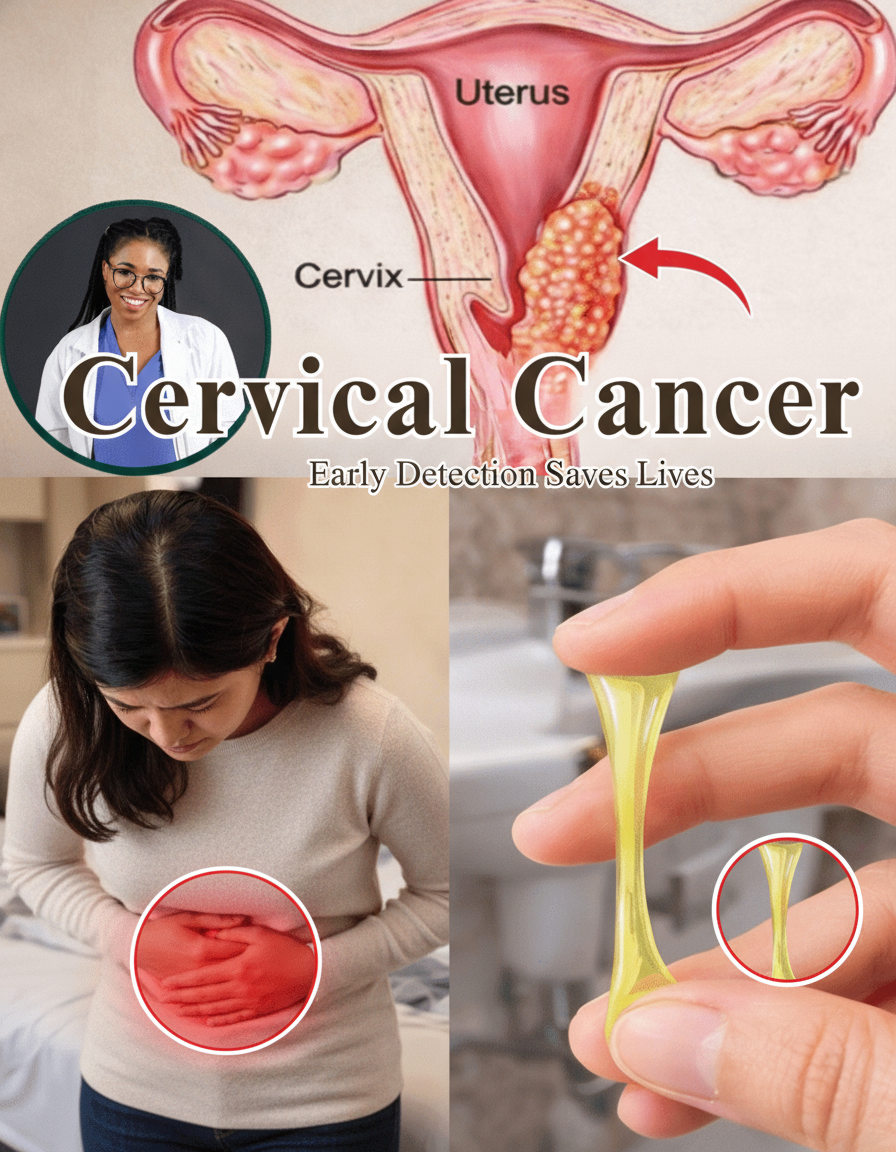
While mild cramps are a common part of menstruation, if your pain is so intense that it forces you to miss work, confines you to bed for days, or necessitates heavy reliance on pain relievers, it may indicate a more serious underlying issue such as endometriosis or fibroids. Endometriosis alone affects approximately 10% of women aged 15-44 (WHO). Severe menstrual cramps often have a tendency to worsen progressively over time. It’s vital to pay close attention if these cramps consistently interfere with your daily routine and quality of life.
Sign #4: Pelvic Pain Outside of Periods – Ongoing Discomfort
A persistent ache, a feeling of pressure, or a sensation of heaviness in the pelvic region—unrelated to your menstrual cycle—could originate from ovarian cysts, inflammation, or growths that are pressing on nearby organs. If this discomfort lingers for several days or even weeks, it serves as a clear signal that further medical investigation is necessary. Quick Check-In: On a scale of 1-10, how would you rate your current level of pelvic comfort? Jotting down your answer can be a small yet significant step toward greater self-awareness.
Sign #5: Pain During Intimacy – When Closeness Becomes Uncomfortable
Experiencing discomfort or sharp pain during sexual intercourse, medically known as dyspareunia, can significantly strain relationships and erode self-confidence. This symptom is frequently associated with conditions like endometriosis, uterine fibroids, or other underlying pelvic issues. Open and honest communication with your partner, combined with professional medical input, can make a substantial difference in addressing and resolving this sensitive concern.
Sign #6: Changes in Vaginal Discharge – Shifts to Notice
Any unusual changes in the color, odor, or amount of vaginal discharge could be indicative of infections impacting uterine health, such as bacterial vaginosis or other gynecological infections. Healthy vaginal discharge is typically clear or white with a mild, non-offensive scent. Therefore, any sudden or noticeable deviation from your normal discharge patterns warrants immediate attention and professional evaluation.
Sign #7: Frequent Urination or Bladder Pressure – The Constant Need
A recurring need to urinate, especially with increased frequency at night, or a persistent sensation of pressure on the bladder, can be a concerning symptom. This often occurs when uterine growths, like fibroids, enlarge and exert pressure on the bladder, which sits in close proximity to the uterus. While it might seem like a bladder issue, it could actually be a sign of uterine changes. If you find yourself making frequent trips to the restroom, particularly disrupting your sleep, it’s a symptom worth discussing with your healthcare provider.