 By admin
 13 Subtle Warning Signs of Endometriosis You Should Never Overlook
Many women often experience discomfort during their monthly cycle, frequently dismissing it as an inevitable aspect of life. However, when this pain intensifies to a degree that disrupts daily routines, persists beyond typical cramping, or manifests in unusual ways, it could signal a more serious underlying condition: endometriosis. This chronic illness impacts millions globally, frequently leading to persistent pelvic pain, debilitating fatigue, and a range of other challenges that progressively erode quality of life, affecting work, relationships, and overall well-being. The truly frustrating aspect is that these critical signs are too often mislabeled as “normal” period troubles or stress-induced ailments. What if recognizing these patterns sooner could empower you to seek timely support?
In this comprehensive article, we will delve into 13 prevalent warning signs of endometriosis, drawing insights from leading health organizations. We’ll also provide practical advice on how to effectively track your symptoms and confidently discuss them with a healthcare provider. Stay tuned to the end for a simple, daily habit many find beneficial in managing their comfort levels.
What Is Endometriosis and Why Do Symptoms Matter?
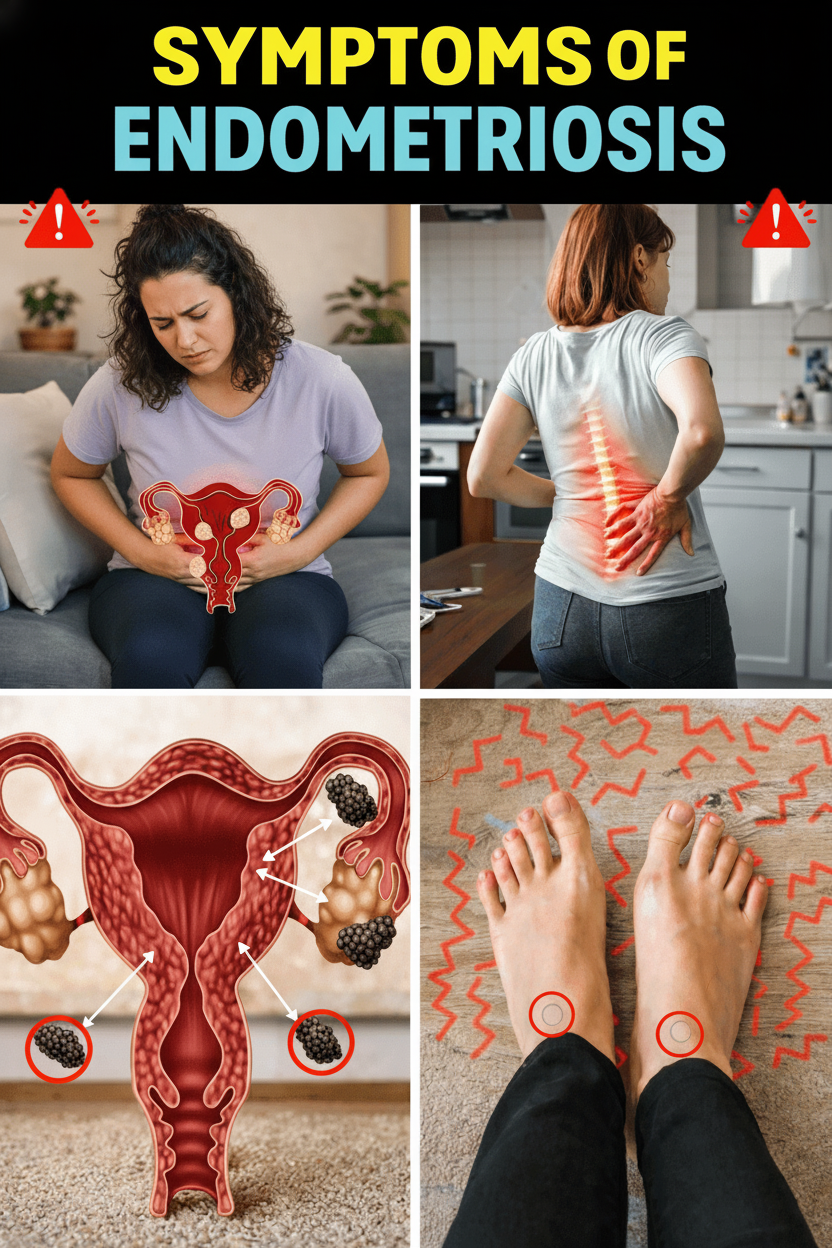
Endometriosis is a condition where tissue remarkably similar to the lining of the uterus (the endometrium) begins to grow outside the uterus itself. Common sites for this aberrant growth include the ovaries, fallopian tubes, and the pelvic lining. Extensive research from esteemed institutions like the Mayo Clinic and Cleveland Clinic highlights that this misplaced tissue can trigger inflammation, scar tissue formation, and considerable discomfort, particularly in sync with the menstrual cycle. The manifestation of endometriosis symptoms varies widely; some individuals may experience only mild issues, while others confront severely debilitating effects. Crucially, the pain associated with endometriosis often escalates over time if left unaddressed.
Studies consistently indicate an average diagnostic delay of several years between the initial onset of symptoms and a professional medical evaluation. This stark reality underscores the profound importance of recognizing and paying attention to early warning signs.
The Most Common Warning Signs of Endometriosis
Below are 13 frequently reported endometriosis warning signs. It’s important to remember that not everyone will experience all of them, but the presence of multiple overlapping symptoms warrants immediate medical attention.
1. Severe Menstrual Cramps That Disrupt Daily Life
Intensely painful periods, medically termed dysmenorrhea, are a hallmark symptom for most individuals with endometriosis. Unlike typical menstrual cramps, this pain might commence days before bleeding begins, persist for an extended duration, and prove resistant to standard pain relief methods. Such severe pain can often force individuals to miss work, school, or important social engagements.
2. Chronic Pelvic Pain Beyond Your Period
This refers to persistent lower abdominal or pelvic discomfort that lasts throughout the entire month, not just during menstruation. This ongoing ache can manifest as a constant pressure, a dull throbbing sensation, or a sharp, intermittent pain.
3. Lower Back or Abdominal Pain
Many individuals report pain that radiates to the lower back, particularly exacerbated during their periods. While it might initially feel like a muscle strain, its cyclical nature and close ties to the menstrual cycle can be a significant indicator of endometriosis.
4. Pain During or After Intercourse (Dyspareunia)
Known as dyspareunia, this discomfort can range from mild to severe. It often occurs in specific positions, a consequence of endometrial tissue growing in sensitive areas within the pelvic region, making intimacy challenging and painful.
5. Pain with Bowel Movements
Experiencing discomfort, cramping, or sharp pain during defecation, especially around the time of menstruation, is another red flag. Some individuals also report cyclical occurrences of diarrhea, constipation, or significant bloating that worsens during their period, mimicking irritable bowel syndrome (IBS) but linked to their cycle.
6. Painful Urination or Bladder Issues
A burning sensation or pressure when urinating, particularly during menstrual periods, can be an endometriosis symptom. In more severe cases, this might include increased urinary frequency, urgency, or even visible blood in the urine, indicating bladder involvement.
7. Heavy Menstrual Bleeding or Spotting
Periods characterized by excessively heavy bleeding, where pads or tampons are quickly saturated, or that last longer than the typical duration, can be a sign. Irregular spotting or bleeding between menstrual cycles is also a significant indicator of potential endometriosis.
8. Chronic Fatigue That Doesn’t Improve with Rest
Persistent and overwhelming tiredness, often disproportionate to activity levels, is a common complaint. This chronic fatigue is frequently linked to ongoing pain, heavy bleeding (which can lead to anemia), or systemic inflammation. Many describe feeling utterly drained even after adequate sleep.
9. Digestive Problems Around Your Cycle
Nausea, bloating, severe gas, or other gastrointestinal upsets that specifically flare up before or during menstrual periods can be indicative. These symptoms often mimic those of IBS but are directly tied to hormonal fluctuations and the menstrual cycle.
10. Difficulty Getting Pregnant (Infertility)
Challenges with conceiving can be a significant and distressing sign of endometriosis. The presence of endometrial tissue growth can interfere with the normal functioning of ovaries and fallopian tubes, or affect the implantation process, contributing to infertility in a notable percentage of affected individuals.
11. Nausea or Vomiting During Periods
For some, the intensity of menstrual cramps and the systemic inflammation associated with endometriosis can trigger severe stomach upset, including nausea or even vomiting, making periods even more debilitating.
12. Mood Changes or Emotional Strain
The relentless cycle of chronic pain, persistent fatigue, and the disruption to daily life can significantly contribute to feelings of frustration, anxiety, depression, or a general low mood. These emotional challenges are particularly pronounced when symptoms consistently interfere with personal and professional life.
13. Pain That Worsens Over Time
A progressive pattern where discomfort, especially menstrual pain or pelvic pain, intensifies with each successive cycle is a critical red flag widely noted in medical literature. This escalation suggests a worsening of the underlying condition.
Quick Reference: Common Endometriosis Symptoms at a Glance
- Pain-Related:
- Severe menstrual cramps (dysmenorrhea)
- Chronic pelvic or lower back pain
- Painful intercourse (dyspareunia)
- Pain with bowel movements or urination
- Cycle-Related:
- Heavy menstrual bleeding or spotting
- Nausea or bloating around periods
- Other Impacts:
- Persistent fatigue
- Challenges with fertility
- Significant mood fluctuations
Tracking these symptoms diligently in a journal can be incredibly illuminating, helping to reveal crucial patterns.
Practical Steps to Track and Discuss Your Symptoms
Begin by maintaining a simple, yet detailed, symptom diary for at least 2-3 menstrual cycles. In this diary, make sure to note: when pain or other symptoms start and end, their intensity (e.g., on a scale of 1-10), what makes them better or worse, and any other relevant observations. This comprehensive record will be an invaluable tool when discussing your concerns with a healthcare provider, enabling a more accurate diagnosis and personalized treatment plan.