 By admin
 14 Overlooked Cancer Warning Signs Women Should Never Ignore
It’s common for women to notice minor shifts in their bodies but dismiss them as everyday occurrences or natural aging processes. Subtle changes like persistent exhaustion that doesn’t resolve with rest, unexpected bleeding, or a new discomfort in the breast might initially seem insignificant. However, these seemingly minor alterations can sometimes be indicators of more serious health concerns, including various types of cancers that specifically affect women. The encouraging news is that early detection and prompt consultation with a healthcare professional can significantly improve outcomes. Surprisingly, many of the most frequently overlooked symptoms are actually quite visible, and recognizing them early could be life-changing. Continue reading to discover 14 potential warning signs that women often overlook, backed by insights from reputable health organizations.
Understanding Why These Signs Often Go Unnoticed
In our busy lives, it’s easy to overlook health signals, as many symptoms can mimic common, benign issues. Feeling tired after a demanding day? That’s normal. Experiencing a little bloating? It’s often attributed to diet. Yet, when these bodily changes persist for several weeks without a clear explanation, they warrant closer investigation. Research from leading bodies like the American Cancer Society and Mayo Clinic consistently highlights that early awareness of changes in one’s body is crucial for effective health management. While these signs are not definitive proof of a serious condition, they undeniably deserve professional medical attention.
Key Potential Warning Signs to Monitor Closely
Here are some specific changes that trusted health sources emphasize as important to discuss with a healthcare provider if they endure or worsen:
-
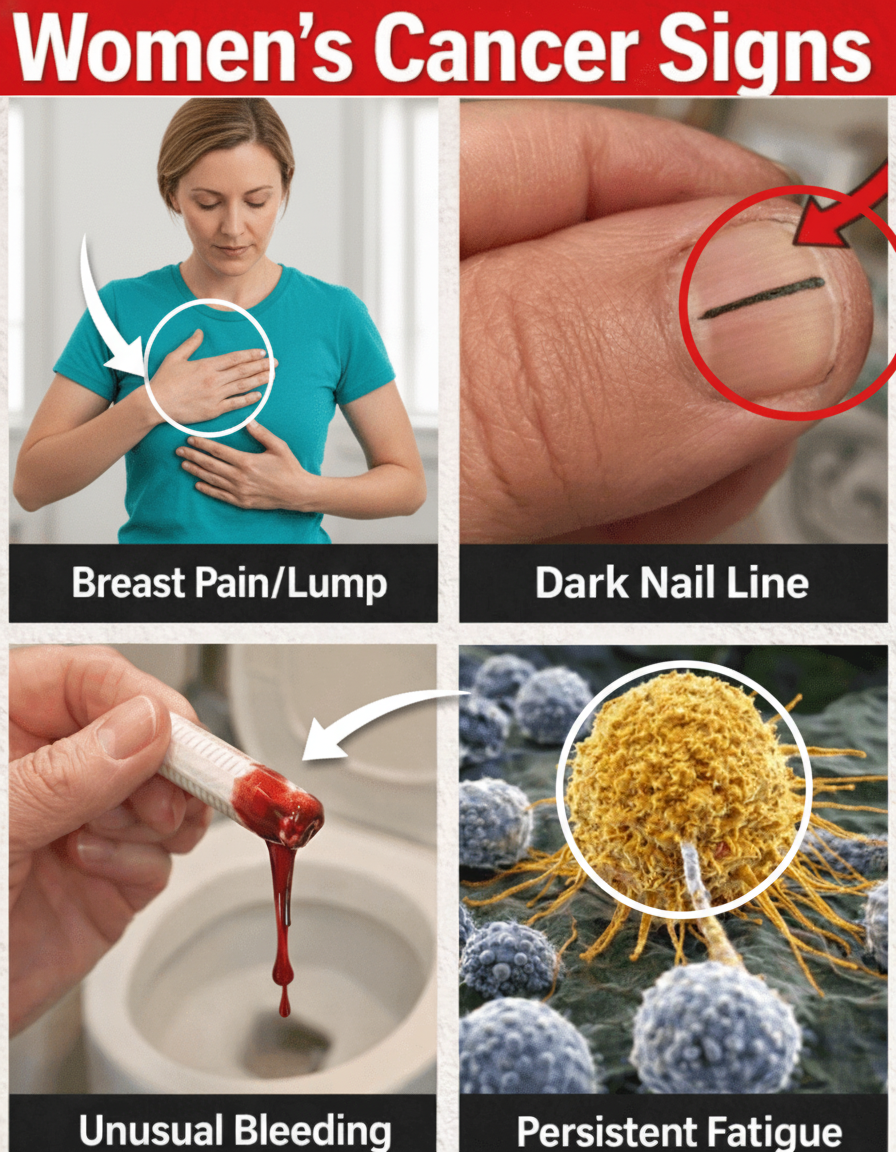
Breast Changes: Lumps, Pain, or Alterations
Any new lump, an area of thickening, or ongoing pain in the breast or armpit can be a cause for concern. Other significant changes include dimpling of the skin, unexplained redness, or unusual nipple discharge. Regular self-examinations are vital for understanding what is normal for your body.
-
A Dark Streak Beneath the Nail
A vertical dark line or streak on a fingernail or toenail, particularly if it’s newly appeared, expanding, or irregular in shape, can in rare instances be a sign of melanoma beneath the nail (subungual melanoma). Though uncommon, it’s crucial to have this checked by a dermatologist without delay.
-
Unusual Vaginal Bleeding or Discharge
Bleeding between menstrual periods, after sexual intercourse, or following menopause, as well as periods that are unusually heavy or prolonged, are frequently cited as concerning by reports from the Mayo Clinic and the Centers for Disease Control and Prevention (CDC). Additionally, any watery or bloody vaginal discharge should be promptly investigated.
-
Persistent and Extreme Fatigue
Profound tiredness that doesn’t improve with adequate sleep or rest is a commonly reported symptom across many cancer types. This exhaustion might be a result of the body’s systemic response to underlying changes. It’s more than just feeling tired—it’s an overwhelming lack of energy.
-
Unexplained Weight Loss
Losing 10 pounds or more without making any conscious dietary changes or increasing physical activity is a significant symptom. While various factors can cause this, institutions like MD Anderson Cancer Center list it as a crucial sign that warrants immediate discussion with your doctor.
-
Ongoing Bloating or Abdominal Fullness
Experiencing bloating on most days, particularly when accompanied by a feeling of fullness even after consuming small meals, is a symptom frequently associated with ovarian concerns by sources such as the American Cancer Society. This persistent discomfort should not be ignored.
-
Chronic Pelvic or Abdominal Pain
Constant pressure, cramping, or persistent pain in the lower abdomen or pelvic region can often be dismissed as routine menstrual discomfort or digestive issues. However, if such pain lingers or intensifies, it requires medical evaluation.
-
Changes in Bowel or Bladder Habits
Persistent constipation, diarrhea, or an unexplained increase in the frequency of urination, without any clear dietary or lifestyle cause, may indicate a need for medical assessment. These changes should not be prolonged.
-
Suspicious Skin Changes or Non-Healing Sores
New moles that change in size, shape, or color, or any sores that fail to heal within a reasonable timeframe, are general but critical warning signs. Any unusual skin lesion should be examined by a professional.
-
Chronic Cough or Persistent Hoarseness
A cough that lasts for several weeks or any noticeable changes in your voice (hoarseness) could be linked to certain types of cancer, particularly those affecting the respiratory system or throat. The duration of these symptoms is key.
-
Difficulty Swallowing (Dysphagia)
Ongoing trouble with swallowing food or liquids, or a persistent sensation that food is getting stuck in your throat or chest, is a symptom that demands prompt medical attention. This should not be confused with occasional difficulty.
-
Frequent Infections or Unexplained Fevers
Repeated fevers or infections that occur without an obvious cause or source can sometimes signal an underlying health issue, including certain cancers that affect the immune system. Pay attention to their frequency and lack of explanation.
-
Persistently Swollen Lymph Nodes
Enlarged lymph nodes in areas such as the neck, armpit, or groin that persist for an extended period, especially if they are painless and firm, warrant a medical examination. They are a sign your body is fighting something.
-
Drenching Night Sweats
Experiencing drenching sweats at night, severe enough to soak through clothing and bedding, without any clear trigger like fever, illness, or environmental factors, is a symptom that should be discussed with a doctor.
Proactive Steps You Can Take Today
Empower yourself by adopting these simple, proactive health habits:
- Perform Monthly Breast Self-Exams: Familiarize yourself with your body’s normal state to quickly identify any new or unusual changes.
- Document Unusual Symptoms: Keep a detailed journal of any unusual bleeding, discharge, or other concerning symptoms, noting dates, descriptions, and duration.
- Schedule Regular Check-ups and Screenings: Adhere to recommended health screenings, such as mammograms and Pap tests, based on your age, risk factors, and your doctor’s advice.
- Communicate Persistent Symptoms: If any symptom lasts for more than two weeks, make an appointment with your doctor and share all relevant details.
- Embrace a Healthy Lifestyle: Maintain a balanced diet, engage in regular physical activity, limit alcohol consumption, and avoid smoking to foster overall well-being and resilience.
These actionable steps are designed to help you listen to your body and take charge of your health with confidence, not fear.
Wrapping It Up: Tune Into Your Body’s Signals
Being informed about these potential warning signs is not about succumbing to anxiety; rather, it’s about being empowered and proactive in managing your health. While many bodily changes turn out to be benign, catching anything serious in its early stages often leads to more straightforward and successful treatment pathways. Foster an open and honest dialogue with your healthcare provider about anything new or persistent that concerns you. Your body communicates with you; learning to listen is your first line of defense.
Frequently Asked Questions
What should I do if I notice one or more of these signs?
If you observe any of these persistent or unusual signs, it is crucial to schedule an appointment with your doctor promptly for a professional evaluation and guidance.