 By admin
 14 Subtle Cancer Warning Signs Women Must Never Overlook
In the whirlwind of daily life, it’s easy for women to dismiss minor bodily changes as mere signs of aging, stress, or a hectic schedule. However, these seemingly insignificant shifts can sometimes be critical early indicators of serious health conditions, including various forms of cancer. Early detection is paramount in improving treatment outcomes and survival rates. This comprehensive guide aims to empower you by shedding light on 14 crucial, yet often subtle, cancer warning signs that every woman should be aware of. Drawing on insights from leading health organizations, we’ll delve into these potential red flags and outline practical steps for proactive health management.
Why Early Cancer Symptoms Often Go Unnoticed by Women
For many women, particularly those navigating their mid-30s and beyond, the demands of career, family, and personal life can lead to a tendency to overlook or rationalize persistent bodily changes. A recent women’s health survey revealed that many attribute chronic fatigue or mild discomfort to the natural process of aging or accumulated stress. Yet, as highlighted by prominent institutions like the American Cancer Society and Mayo Clinic, these vague, lingering symptoms are frequently the initial clues for cancers affecting the ovaries, breasts, colon, and other vital organs. These aren’t always dramatic alarms; more often, they are quiet whispers. Disregarding these signals for extended periods can allow a condition to advance undetected. Conversely, recognizing these subtle patterns early provides a powerful opportunity for intervention and better health outcomes. Cultivating simple habits, such as monitoring your body for persistent changes, can be instrumental in identifying potential concerns before they escalate.
14 Critical Cancer Warning Signs Every Woman Should Monitor
Your body possesses an intricate communication system, often signaling potential issues through subtle alterations. Below are 14 key symptoms that leading health experts, including those from MD Anderson Cancer Center and UCSF Health, strongly advise women not to ignore, especially if they are persistent or recurrent.
-
Persistent or Unexplained Bloating
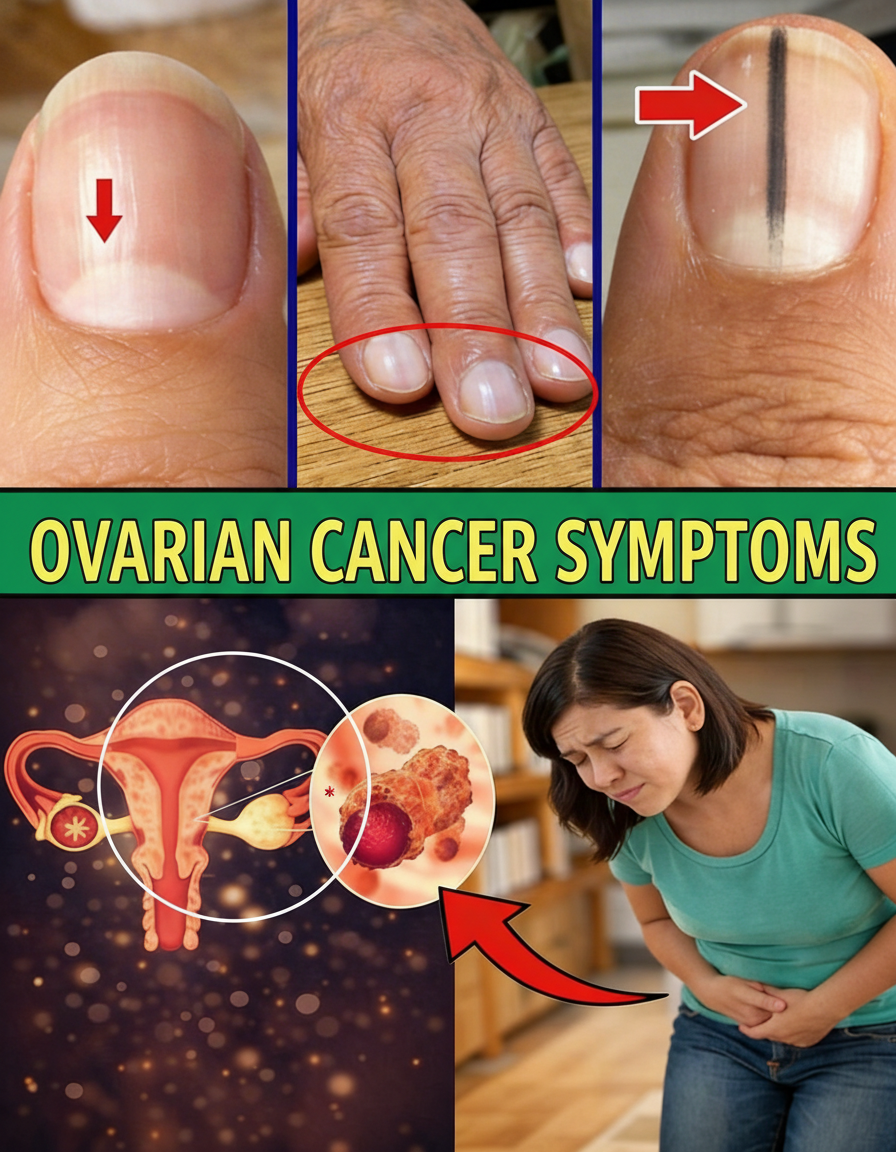
Experiencing abdominal swelling or a feeling of fullness that lasts for several weeks, without an obvious dietary or menstrual cause, warrants attention. This ongoing discomfort, extending beyond typical digestive issues, is often discussed in relation to potential ovarian or gastrointestinal health concerns.
-
Chronic, Unrelenting Fatigue
Beyond typical tiredness, this symptom manifests as profound exhaustion that fails to alleviate with adequate rest or sleep. Medical research suggests such persistent fatigue can be an indicator in various undiagnosed conditions, including certain blood cancers or breast cancer.
-
Unusual Vaginal Bleeding or Discharge
Any irregular spotting, unusually heavy menstrual flow, bleeding occurring between periods, or any vaginal bleeding post-menopause requires immediate medical evaluation. The Mayo Clinic, among other health authorities, highlights these as significant red flags for potential cervical or endometrial cancers.
-
Significant, Unexplained Weight Loss
Losing a noticeable amount of weight—such as 10 pounds or more—without making changes to diet or exercise, should not be ignored. Johns Hopkins Medicine identifies this as one of the primary early indicators that necessitates a conversation with a healthcare provider.
-
Lingering or Persistent Pain
Chronic pain in areas like the pelvis, back, or abdomen that persists for an extended period without a clear explanation should prompt medical review. This category also includes a persistent feeling of pressure in the pelvic region, often associated with discussions around ovarian health.
-
Noticeable Changes in Bowel Habits
Any prolonged shift in typical bowel patterns, such as new-onset constipation or diarrhea lasting several weeks, or stools that appear significantly narrower, could indicate colorectal issues. Cancer Research UK guidelines specifically point to these as potential concerns.
-
Persistent Heartburn or Indigestion
Frequent sensations of burning in the chest or upper abdominal area that do not respond to over-the-counter antacids or lifestyle modifications could signal underlying esophageal or stomach health problems.
-
Suspicious Skin Changes
The appearance of new moles, alterations in existing moles (size, shape, color, texture), sores that fail to heal, or any unusual patches on the skin warrant a professional examination. Dermatological experts emphasize these as critical indicators for potential skin cancer or other dermatological conditions.
-
Chronic Difficulty Swallowing (Dysphagia)
Experiencing a sensation of food getting stuck in your throat or painful swallowing that persists over time should be investigated. These symptoms can be indicative of issues within the throat or esophagus.
-
Persistent Cough
A cough that lingers for more than a few weeks, particularly if it’s dry, accompanied by blood, or presents with other changes (like voice alteration), is a significant symptom often discussed in the context of lung health and requires medical assessment.
-
Unexplained Breast Changes
Any new lumps, areas of dimpling, persistent redness, nipple discharge (especially if not milk-related), or noticeable alterations in breast size or shape necessitate a prompt medical consultation. Organizations like WebMD and leading breast cancer advocacy groups consistently underscore the importance of breast self-awareness and timely evaluation.
-
Drenching Night Sweats
Experiencing severe, drenching sweats during the night that go beyond what might be expected during menopause or typical environmental factors should be investigated. Such nocturnal hyperhidrosis can sometimes be associated with conditions like lymphoma or other systemic issues.
-
Unexplained Loss of Appetite or Early Satiety
A sudden or persistent lack of interest in food, feeling full unusually quickly after eating small amounts, or a general reduction in appetite without an obvious cause, can sometimes be linked to ovarian or gastrointestinal concerns.
-
Swollen Lymph Nodes
Lymph nodes that remain enlarged in areas such as the neck, armpit, or groin for an extended period, without any clear signs of infection, warrant medical attention. It’s crucial to remember that while these signs can indicate various health conditions, their persistence always necessitates professional evaluation to rule out serious concerns like cancer.
Empowering Yourself Through Early Action
While many of these symptoms can be attributed to less serious conditions, their persistence or recurrence should never be dismissed. This guide is not intended to cause alarm, but rather to empower you with knowledge. Your body often provides subtle hints before major issues arise. Taking proactive steps by listening to these signals and seeking timely medical advice is the most effective way to ensure early detection and significantly improve health outcomes. If you experience any of these 14 warning signs, or any other persistent, unexplained changes in your health, please consult your doctor without delay. Regular check-ups and open communication with your healthcare provider are your strongest allies in maintaining long-term well-being.