 By admin
 15 Critical Early Warning Signs of Diabetes for Adults in Their 40s & 50s – Don’t Ignore #8, It Could Be Life-Threatening!
Many individuals in their 40s and 50s often encounter perplexing fatigue or subtle shifts in their physical health that disrupt work, family harmony, and overall enjoyment. These changes are frequently dismissed as mere stress or the inevitable process of aging, leading to increased frustration and concern about a decline in vitality without a clear explanation. Over time, such unresolved issues can silently drain your energy and peace of mind as you navigate demanding daily routines.
However, recognizing the initial indicators of diabetes can offer invaluable insights, empowering you to engage in proactive discussions with your healthcare provider for appropriate guidance. A surprising link between common daily habits and these early diabetes symptoms will be unveiled later in this article, so continue reading to discover the full picture.
🔍 Understanding Key Diagnostic Tests for Diabetes Awareness
The early indicators of diabetes often manifest subtly, gradually impacting the daily energy levels of adults over 40 who are balancing professional and family commitments. Leading health organizations, such as the CDC, underscore the importance of diagnostic tests in identifying metabolic changes associated with diabetes long before they become overtly disruptive.
- Fasting Plasma Glucose (FPG) Test: This test measures your blood sugar after an 8-12 hour fast. Levels below 100 mg/dL are typically considered normal. Elevated readings can signal prediabetes or diabetes.
- HbA1c Test: Providing an average of your blood sugar levels over the past two to three months, the HbA1c test is particularly useful for explaining persistent fatigue, a common but often overlooked sign of developing diabetes.
- Oral Glucose Tolerance Test (OGTT): After consuming a glucose drink, this test monitors how your body processes sugar, offering crucial clarity on your body’s insulin response and potential diabetes risks.
Even results that fall within the ‘borderline’ range can be significant indicators of developing diabetes, making early awareness and proactive screening essential for maintaining optimal midlife wellness. The frustration of feeling unwell without clear answers is a common experience with these initial symptoms, but professional evaluation can provide much-needed clarity and peace of mind.
The 15 Early Warning Signs of Diabetes to Watch For
Here are 15 potential signs of diabetes that many adults over 40 might notice but may not immediately associate with a serious health condition. Each of these can subtly erode your energy and confidence in daily life. Paying close attention to these symptoms can empower you to take informed preventative or management steps with your doctor.
- Tingling, Burning, or Numbness in Hands and Feet
Persistent tingling, numbness, or a burning sensation in your extremities (a condition known as neuropathy) can be a significant early indicator of nerve damage linked to elevated blood sugar levels. For busy adults over 40, this discomfort can disrupt sleep quality and make routine daily tasks challenging, adding to overall stress and diminishing quality time with loved ones as nerve function is gradually affected. - Dark, Velvety Skin Patches (Acanthosis Nigricans)
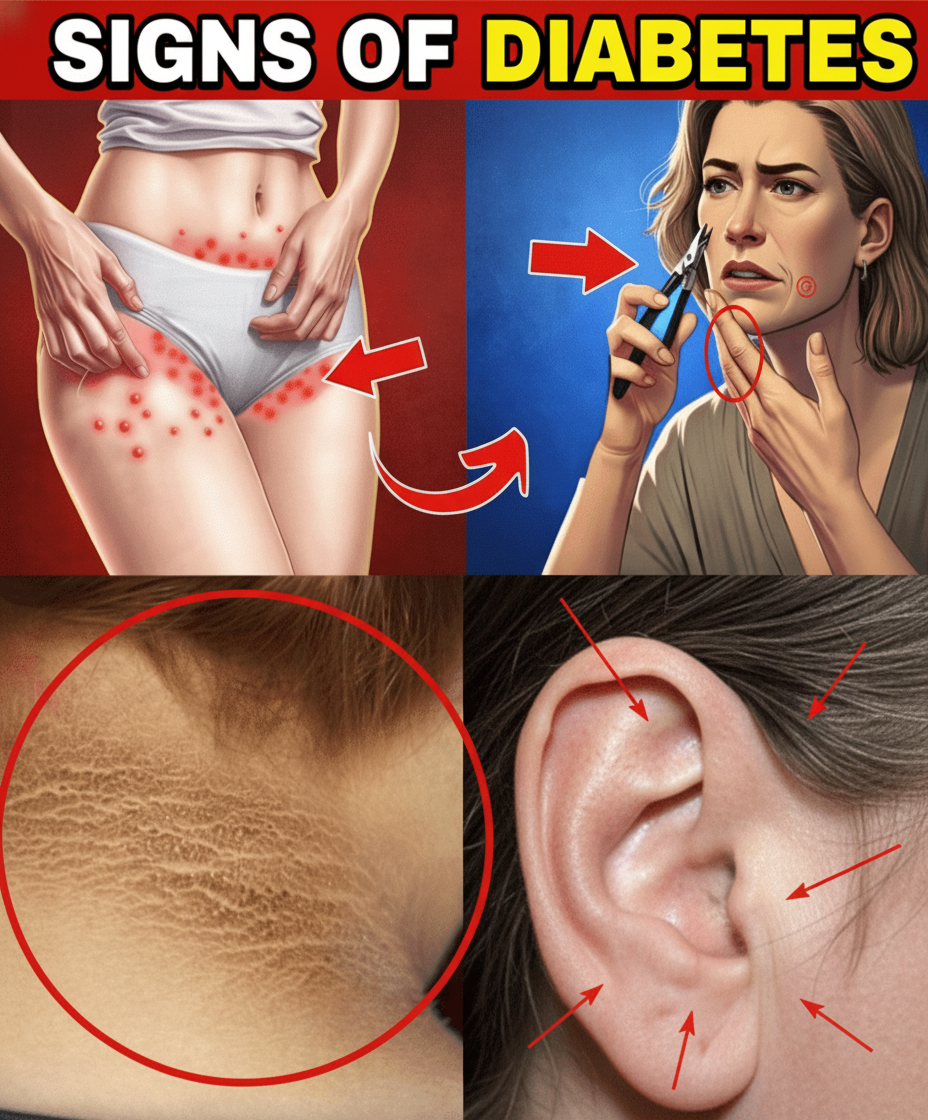
The appearance of dark, velvety patches on the neck, armpits, or groin is often a visual cue of insulin resistance, a precursor to type 2 diabetes. Discovering these skin changes can impact self-confidence during midlife, a period when appearance often plays a role in both personal and professional interactions. - Feeling Overly Full or Slow Digestion
Experiencing uncomfortable fullness or bloating, even after consuming small meals, can be an early sign of gastroparesis, a condition where high blood sugar levels affect nerve function in the stomach. This digestive slowdown can transform enjoyable eating into a source of discomfort for professionals over 40, disrupting daily routines and intensifying feelings of frustration. - Shakiness or Irritability After Carb-Heavy Meals
Feeling shaky, weak, or irritable several hours after consuming carbohydrate-rich meals can signal significant fluctuations in blood sugar levels. This metabolic rollercoaster often leaves many in their 40s and 50s feeling fatigued and short-tempered during crucial personal and professional moments, indicating a potential issue with blood sugar regulation. - Sweet-Smelling Urine Attracting Insects
Unusually sweet-smelling urine that may attract insects like ants or bees is a striking and unmistakable sign of high blood sugar. This occurs when the kidneys can no longer reabsorb all the excess glucose, causing sugar to spill into the urine. This surprising symptom often prompts adults managing busy schedules to seek urgent medical advice and clarification. - Blurry or Fluctuating Vision
Experiencing episodes of blurry or rapidly changing vision can be a critical early warning sign of diabetes. These visual disturbances are often caused by fluid shifts within the eyes due to varying blood sugar levels, affecting the lens’s ability to focus. This can significantly impact daily activities like reading or driving, introducing safety concerns for individuals over 40. - Cuts or Bruises That Heal Slowly
Noticeably slow-healing cuts, sores, or bruises are a concerning indicator of impaired circulation and compromised immune function, both of which are common complications of elevated blood sugar. A lingering injury can restrict daily activities and cause ongoing worry for active adults in their midlife, highlighting the body’s struggle to repair itself. - Unexplained Weight Loss
Unintentional and significant weight loss, despite maintaining usual eating habits, is a particularly alarming symptom of undiagnosed diabetes. When the body cannot efficiently use glucose for energy (due to insufficient insulin or insulin resistance), it begins to break down muscle and fat stores instead. This metabolic shift can lead to rapid weight loss, and if ignored, it can have severe, even deadly, health consequences. This symptom warrants immediate medical attention to prevent further complications.