 By admin
 15 Early Warning Signs of Diabetes: What Your Body Is Trying to Tell You for Better Health
Many individuals frequently dismiss subtle physiological shifts as mere consequences of stress, the natural aging process, or the demands of daily life. However, these seemingly minor changes could, in fact, be crucial indicators of an underlying health condition. Experiencing persistent fatigue even after adequate rest, or observing that minor cuts and bruises take an unusually long time to heal, can be disruptive and raise concerns about your well-being. Such ongoing frustrations can diminish your energy levels, impair concentration, and negatively impact your overall quality of life, especially when conventional remedies like increased sleep or better hydration prove ineffective. Nevertheless, proactively recognizing these early indicators can empower you to seek timely medical advice and make informed lifestyle decisions that significantly improve your health trajectory. Stay with us until the end for a surprising insight that brings these observations into sharper focus.
Understanding Diabetes and Its Initial Clues
Diabetes is a chronic condition that fundamentally alters how your body processes blood sugar, or glucose. Crucially, its early warning signs often emerge well before a formal diagnosis is made. Data from the Centers for Disease Control and Prevention (CDC) and the American Diabetes Association reveal a concerning trend: more than one in ten adults in the U.S. currently live with diabetes, while nearly one in three are estimated to have prediabetes. These conditions typically progress gradually, underscoring the vital importance of early awareness. Furthermore, compelling research demonstrates that identifying these symptoms early facilitates prompt consultations with healthcare professionals, potentially leading to more effective management strategies through targeted lifestyle modifications.
Essential Tests for Monitoring Blood Sugar Levels
To determine if these potential symptoms warrant medical attention, familiarity with standard blood sugar tests is invaluable:
- Fasting Plasma Glucose Test: This measurement is taken after an 8-12 hour fasting period. A reading below 100 mg/dL is considered normal, levels between 100-125 mg/dL suggest prediabetes, and 126 mg/dL or higher indicates diabetes.
- HbA1c Test: Providing an average blood sugar level over the preceding 2-3 months, this test offers a broader picture. Values under 5.7% are normal, 5.7-6.4% points to prediabetes, and 6.5% or above confirms a diabetes diagnosis.
- Oral Glucose Tolerance Test (OGTT): After an initial fast, you consume a glucose-rich solution, and your blood sugar is checked two hours later. A result below 140 mg/dL is normal, 140-199 mg/dL suggests prediabetes, and 200 mg/dL or higher signifies diabetes.
Studies conducted by the National Institute of Diabetes and Digestive and Kidney Diseases emphasize that even results on the borderline of these ranges should prompt closer monitoring and discussion with a healthcare provider.
The 15 Critical Early Warning Signs to Observe
Below, we delve into each of these significant signs, supported by scientific understanding. It’s vital to remember that these indicators are not diagnostic tools themselves but serve as crucial prompts for you to consult a medical professional for accurate assessment and guidance.
1. Tingling, Burning, or Numbness in Hands and Feet
This common sensation, often likened to “pins and needles,” can arise when elevated blood sugar levels begin to affect nerve function. It frequently manifests subtly, sometimes worsening during nighttime hours. Research published in the Journal of the American Medical Association indicates that these initial nerve changes can manifest even in the prediabetes stage. Consider the real-world example of a school teacher in her 40s who initially dismissed persistent leg tingling, only later connecting it to her blood sugar levels following diagnostic testing.
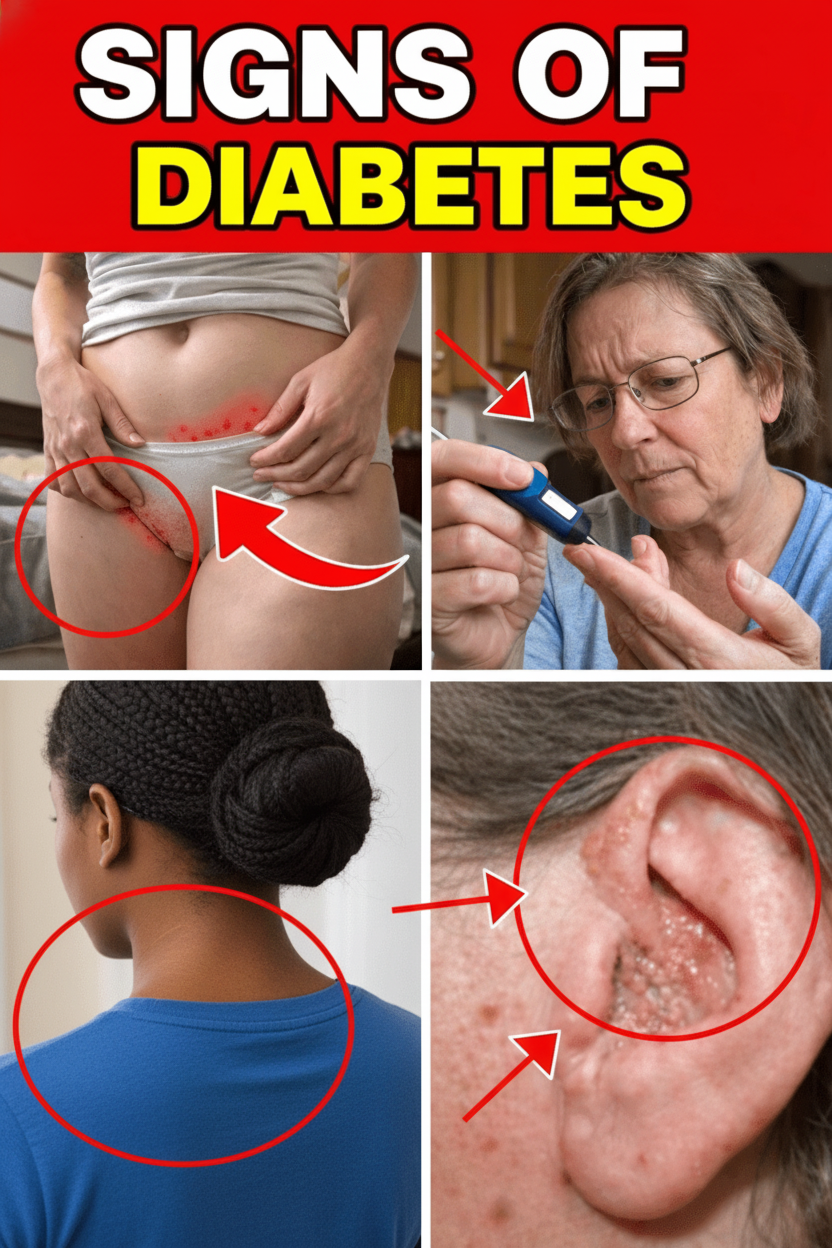
2. Dark, Velvety Skin Patches (Acanthosis Nigricans)
These distinctive patches typically appear in skin folds such as the neck, armpits, or groin area. They are strongly associated with insulin resistance, a precursor to type 2 diabetes. These areas often feel thicker and may gradually darken over time. Insights from the American Academy of Dermatology identify this condition as a prevalent marker, particularly in individuals with higher body weight. Have you noticed any such changes on your skin? It’s a detail worth mentioning during your next medical check-up.
3. Slow Digestion and Persistent Fullness
Medically termed gastroparesis, this condition involves a delay in the stomach’s emptying process, leading to uncomfortable bloating and a prolonged sensation of fullness after meals. High blood sugar levels can impair the normal contractions of digestive muscles. The Mayo Clinic highlights that this can not only cause discomfort but also interfere with proper nutrient absorption. Interestingly, while simple adjustments to meal timing might offer some relief, professional medical consultation is always advised.
4. Shaky Sensations After Carbohydrate-Rich Meals (Reactive Hypoglycemia)
Experiencing symptoms such as sweating, tremors, or a rapid heartbeat several hours after consuming meals heavy in carbohydrates can signal fluctuations in insulin levels. This phenomenon, known as reactive hypoglycemia, is frequently observed in individuals with prediabetes, where the body overproduces insulin in response to a glucose spike. A comprehensive review in the journal Diabetes Care elaborates on how the body can overcorrect, leading to a subsequent drop in blood sugar.
5. Sweet-Smelling Urine That Attracts Insects
When blood sugar levels become excessively high, the kidneys attempt to excrete the surplus glucose through urine. This excess sugar can impart a distinctly sweet odor to urine, which may, in turn, attract ants or other insects. Both ancient medical texts and contemporary scientific studies corroborate this as a tangible and observable clue. Intriguingly, it’s an age-old indicator that remains remarkably relevant in modern diagnostic considerations.
6. Blurry or Fluctuating Vision
Elevated glucose concentrations in the bloodstream can temporarily alter the shape of the eye’s lens, leading to periods of blurry or fluctuating vision and difficulty focusing. Fortunately, these vision changes are often reversible once blood sugar levels are effectively managed. The National Eye Institute reports that such early visual disturbances are common among those developing diabetes but are frequently dismissed or overlooked.
7. Slow-Healing Cuts or Bruises
Persistently high blood sugar can significantly impede both circulation and immune system function, thereby prolonging the healing process for even minor injuries. Minor injuries might take an unusually long time to close and heal.