 By admin
 7 Critical Warning Signs of Blocked Arteries in Your Legs and Feet You Must Not Ignore
Peripheral artery disease (PAD) silently affects millions of adults worldwide, often masquerading its early symptoms as typical signs of aging. This condition, characterized by reduced blood flow to the lower extremities, can gradually worsen, significantly increasing the risk of severe cardiovascular complications if left unaddressed. Recognizing subtle changes in your legs and feet at an early stage is crucial and can prompt timely consultation with a healthcare professional. This comprehensive guide will delve into seven key warning signs, supported by medical insights, along with practical steps for consideration. The surprising truth many discover too late? These signals from your legs and feet are often deeply connected to your broader vascular health – and a simple diagnostic test could reveal more than you expect. Continue reading to decipher what your body might be trying to communicate.
Why Blocked Leg Arteries Become a Concern After Age 40
As individuals enter midlife and beyond, arteries can progressively narrow due to the accumulation of plaque, thereby restricting vital blood flow to the lower limbs. Research indicates that PAD impacts a substantial number of adults aged 40 and older, with its prevalence sharply increasing after the age of 60. Many individuals remain unaware of their condition because initial symptoms can be mild or easily dismissed as routine aches and pains. Impaired circulation means that muscles, skin, and nerves receive insufficient oxygen and essential nutrients during daily activities. This can lead to discomfort that intensifies over time and, if ignored, poses significant risks to overall heart and vascular health. Moreover, these physiological changes often manifest gradually, making them easy to disregard until they noticeably interfere with mobility or periods of rest.
Warning Sign #1: Pain or Cramping During Activity That Eases with Rest (Intermittent Claudication)
The most commonly recognized symptom of PAD is an aching, cramping, or heavy sensation in the calves, thighs, or buttocks that emerges during physical activity, such as walking or exercising, and typically subsides within a few minutes of resting. This characteristic pattern, medically termed intermittent claudication, occurs because active muscles demand more oxygenated blood than narrowed arteries can adequately supply. Studies from reputable organizations like the American Heart Association emphasize this as a frequent indicator in many individuals living with PAD. If you observe this recurring cycle — pain that consistently returns with similar levels of activity — it is advisable to monitor how far you can comfortably walk before needing to stop.
Warning Sign #2: Weak or Absent Pulses in the Legs or Feet
During a physical examination, pulses in the feet (such as the dorsalis pedis on the top of the foot or the posterior tibial behind the ankle) may feel faint or even undetectable. This phenomenon signifies significant arterial narrowing severely limiting blood flow. Healthcare providers routinely check these pulses as part of a standard assessment, and diminished findings can appear even before more prominent symptoms develop. While self-checking pulses may not always be reliable, noticing any significant difference compared to your arms or between your two legs should prompt further medical evaluation.
Warning Sign #3: Changes in Skin Color or Temperature in the Legs or Feet
One leg or foot might appear unusually pale when elevated, develop a bluish tint when hanging down, or feel distinctly cooler than the other side — even in comfortable room temperatures. These visual and tactile alterations are a direct consequence of chronic, reduced oxygen delivery to the tissues. Medical reviews frequently highlight persistent and asymmetrical coolness or discoloration as crucial diagnostic clues. A quick comparison of both legs at home in good lighting can help you identify these subtle but important differences.
Warning Sign #4: Slow-Healing Sores or Wounds on the Legs or Feet
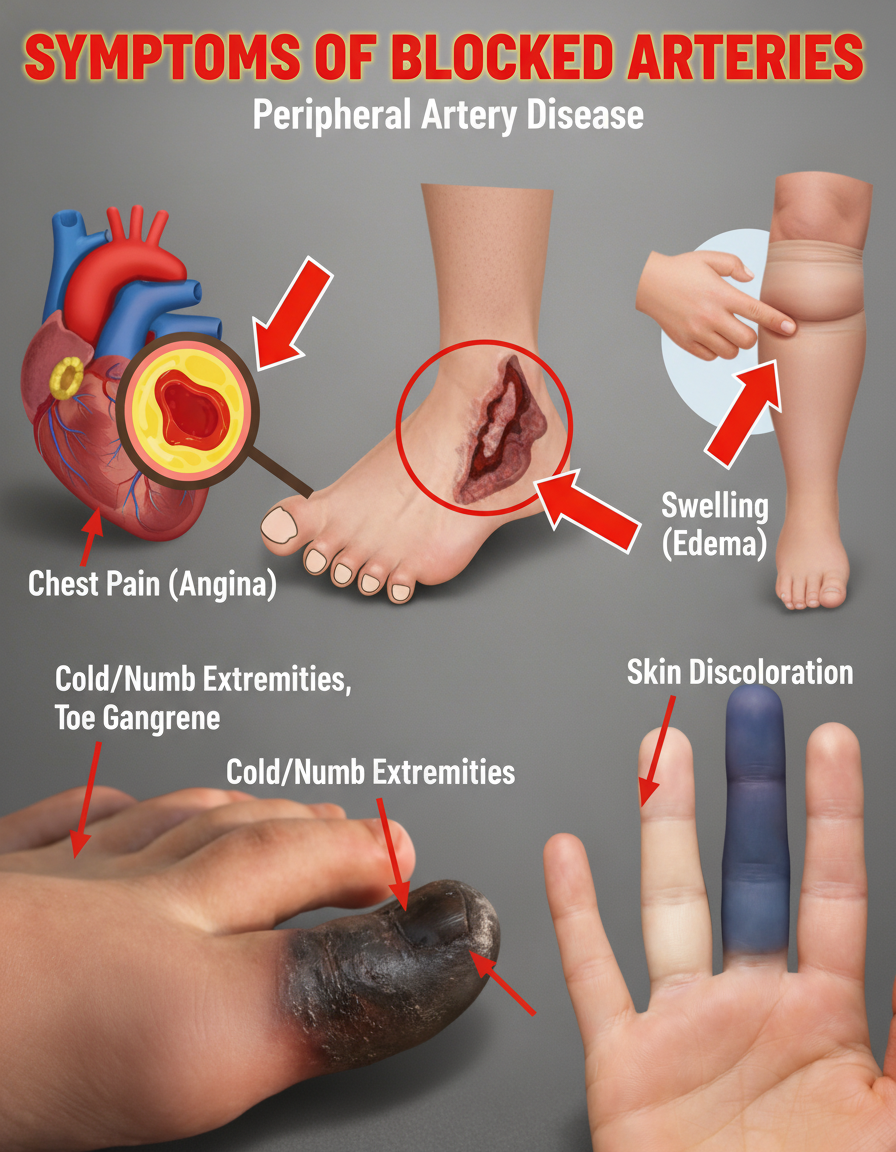
Minor cuts, blisters, or sores that fail to heal properly and linger for weeks are a critical signal of poor circulation, which compromises the delivery of vital nutrients and immune support to the affected area. This concern is particularly heightened for individuals with diabetes, where PAD can significantly exacerbate healing challenges. Guidelines from leading health organizations stress that any wounds on the lower extremities that persist for more than two weeks warrant immediate medical attention. A non-healing spot on your legs or feet should never be ignored.
Warning Sign #5: Shiny, Hairless Skin on the Lower Legs
Over time, reduced blood flow can profoundly impact hair follicles and skin texture. This often results in dramatic thinning or complete disappearance of leg hair below the knees, while the skin itself may take on a smooth, shiny, or taut appearance. Vascular studies report this specific change in a notable proportion of moderate to advanced PAD cases. Comparing both legs side by side can often reveal this striking contrast clearly.
Warning Sign #6: Erectile Dysfunction in Men as an Early Clue
For men, the onset or worsening of erectile dysfunction (ED) can sometimes serve as an early warning sign, potentially preceding more overt leg symptoms. This connection arises because the smaller penile arteries can exhibit blockages or impaired function due to atherosclerosis before larger arteries in the legs show noticeable symptoms. If you are experiencing new or worsening ED, especially without other clear causes, it’s an important symptom to discuss with your doctor, as it could indicate underlying vascular issues.
Warning Sign #7: Pain at Rest or Numbness/Tingling in the Legs or Feet
As PAD progresses, some individuals may experience persistent pain or aching in their feet or toes even when at rest, particularly at night while lying down. This pain may temporarily ease by hanging the leg over the side of the bed or walking. Additionally, a sensation of numbness, tingling, or weakness in the legs or feet that doesn’t resolve can be a critical indicator of severe circulatory impairment. These symptoms signify that tissues are not receiving adequate blood supply even without physical exertion, demanding urgent medical evaluation.
Understanding these critical warning signs of blocked arteries in your legs and feet is the first step toward proactive health management. If you recognize any of these symptoms, it is imperative to consult with a healthcare professional without delay. Early diagnosis and intervention for Peripheral Artery Disease can significantly mitigate risks, improve quality of life, and protect your overall cardiovascular well-being. Don’t dismiss these signals – your body might be giving you vital information about your vascular health.