 By admin
 8 Critical Health Signals Your Body Sends After 50 That You Shouldn’t Overlook
Imagine waking up one morning, and as you go about your routine, you notice a subtle yet unsettling change – perhaps a toe that’s not quite right, causing you to walk differently. It’s easy to dismiss such observations as merely “part of the aging process.” However, our bodies are intricate systems, and they rarely undergo significant changes without a discernible cause. Often, seemingly minor issues like brittle nails, persistent tiredness, or unusual cravings are your body’s subtle way of communicating an underlying need for attention. What’s more, these seemingly innocuous indicators can manifest months, or even years, before more serious health challenges emerge. Continue reading, as one of the most frequently overlooked signs might be present in your body right now, completely unnoticed.
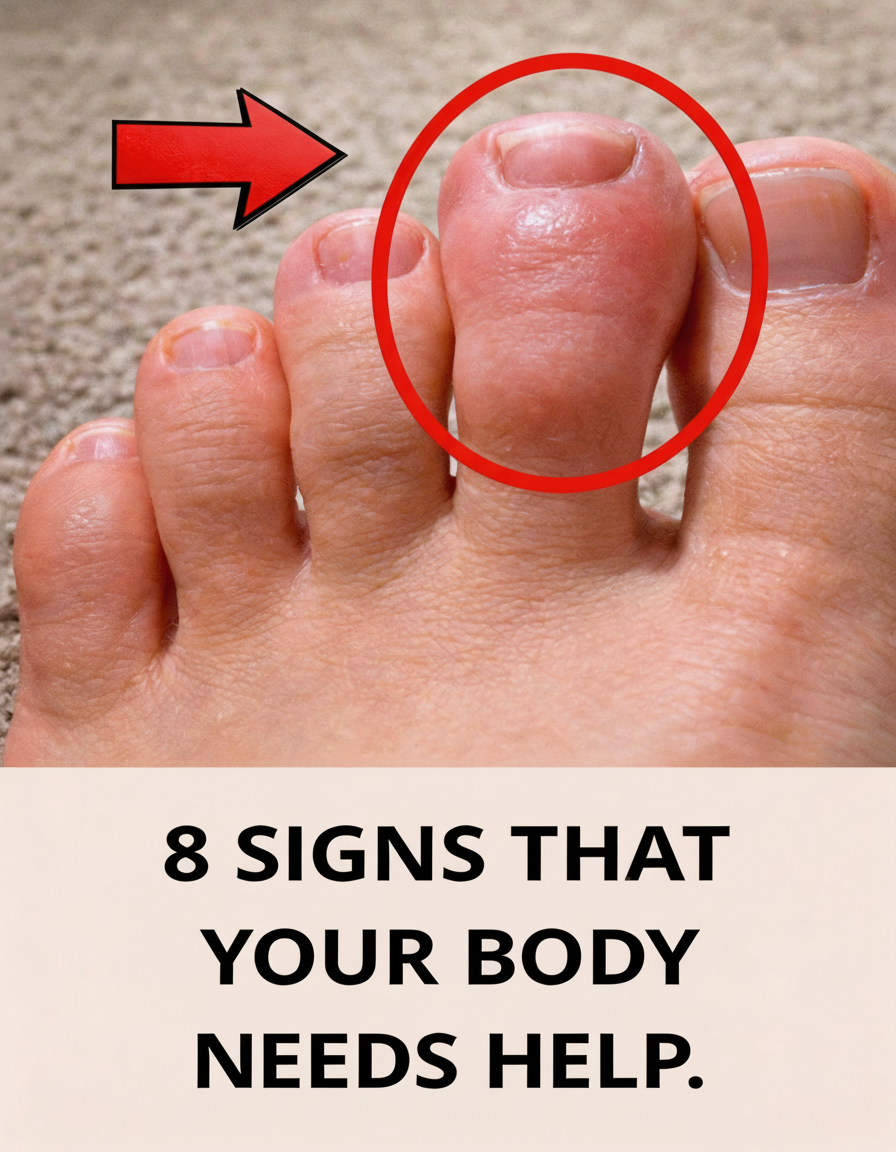
Curled or Overlapping Toes: A Subtle Foot Signal Deserving Attention
It’s common for individuals over 50 to observe a toe gradually bending upwards or overlapping an adjacent digit. While many attribute this to the natural aging process or ill-fitting footwear, there’s a crucial underlying mechanism to understand. Prolonged bending of a toe can lead to a gradual shortening of the foot’s muscles and tendons. This can eventually result in significant discomfort during walking and unwelcome pressure within shoes.
Potential contributing factors for this condition include:
- Constrictive or narrow footwear
- Imbalances in foot musculature
- Age-associated alterations in joint structure
- Predisposing genetic foot anatomy
- Irritation of nerves in the foot
Proactive steps you can take:
- Opt for shoes featuring a more generous toe box
- Incorporate gentle foot stretching routines
- Strive to maintain an optimal body weight
- Explore the benefits of supportive orthotic inserts
Implementing minor adjustments to your choice of footwear and daily practices can frequently avert the progression of this issue. However, this is just one piece of the puzzle.
Chronic Fatigue: When Rest Doesn’t Restore Your Vitality
While occasional tiredness is a universal experience, a persistent state of exhaustion that lingers day after day, even after adequate sleep, warrants closer examination. This type of chronic fatigue often indicates an internal imbalance. Many individuals over 50 voice a common sentiment: “I get enough sleep, yet I consistently wake up feeling drained.”
Common indicators that often accompany persistent fatigue:
- Challenges with focus and concentration
- Recurrent headaches
- Generalized daytime weakness
- A noticeable decline in motivation
- Episodes of lightheadedness or dizziness
Scientific studies concerning nutrition and aging highlight that insufficient levels of essential nutrients like iron and vitamin B12, alongside suboptimal sleep quality, can significantly impact overall energy levels. To foster improved energy:
- Establish and adhere to consistent sleep patterns
- Incorporate protein-rich and iron-rich foods into your diet
- Ensure consistent hydration throughout your waking hours
- Implement strategies to mitigate daily stress whenever feasible
Interestingly, the subsequent warning sign frequently manifests in your hands.
Brittle or Peeling Nails: Your Body’s Nutritional Barometer
Beyond their primary role of protecting your fingertips, your nails offer valuable insights into your internal nutritional status. When nails become prone to easy breakage or start peeling in delicate layers, it often signals a deficiency in specific vital nutrients within the body.
Potential causes for compromised nail health include:
- Inadequate dietary protein intake
- Iron deficiency (anemia)
- Insufficient biotin levels
- Systemic dehydration
- Regular contact with aggressive chemical substances
Key indicators to observe:
- Nails that readily split or crack
- Delamination or peeling of nail layers
- Prominent vertical ridges on the nail surface
Enhancing your dietary intake can significantly bolster nail resilience. Incorporating nutrient-dense foods such as legumes, eggs, various seeds, and fatty fish can supply the essential components required for robust nail growth. Moving on, another highly visible indicator often emerges on your skin.
Persistent Dry or Cracked Skin: Your Skin’s Plea for Nourishment
While dry skin is a familiar occurrence during colder months, if your skin consistently feels rough, flaky, or develops cracks for an extended period of weeks, it could be a significant indicator. This persistent dryness often signals a deeper bodily need for increased hydration or specific vital nutrients. The regions most frequently impacted by this condition typically include:
- The hands
- Elbows
- The heels of the feet
- Facial areas
Several elements can contribute to chronic dry skin:
- Insufficient daily water intake
- A diet lacking in beneficial healthy fats
- Exposure to exceptionally arid environmental conditions
- Underlying hormonal fluctuations
Beneficial practices to support skin health:
- Ensure consistent and adequate water consumption
- Integrate healthy fats from sources like nuts and seeds into your daily meals
- Regularly apply mild, hydrating moisturizers
- Steer clear of aggressive or harsh soaps
Furthermore, a prevalent nighttime signal warrants our careful consideration.
Frequent Muscle Cramps: Decoding Sudden Muscle Tightness
A common experience for many older adults is being abruptly awoken by an intense, sudden pain, often localized in the calf muscle, during the night. While these spasms might be brief, lasting only moments, their severity can be considerable. Such occurrences frequently indicate an underlying imbalance of crucial electrolytes and minerals within the body.
Common triggers for muscle cramping include:
- Deficient magnesium levels
- Disruptions in potassium balance
- Inadequate hydration
- Overexertion or excessive use of muscles
Strategies that can offer relief or prevention:
- Consume foods abundant in potassium, such as bananas and avocados
- Ensure consistent and sufficient water intake throughout the day
- Incorporate gentle leg stretches into your routine before bedtime
- Engage in regular, moderate physical activity
Next, we turn our attention to a body part often overlooked in self-assessment: your tongue.
Pale or Swollen Tongue: Uncovering Oral Health Insights
It’s rare for individuals to regularly inspect their tongue in the mirror. Yet, for medical and dental professionals, the tongue serves as a vital diagnostic tool, offering a window into overall systemic health. A tongue that appears unusually pale or noticeably swollen can provide significant clues about various internal conditions.
Potential underlying causes for a pale or swollen tongue:
- Anemia, particularly iron-deficiency anemia, which can lead to pallor
- Vitamin B12 deficiency, often resulting in a smooth, beefy-red, and sometimes swollen tongue
- Dehydration, which can cause the tongue to appear furrowed or dry
- Allergic reactions or sensitivities to certain foods or medications
- Thyroid imbalances, which can sometimes manifest with a swollen tongue (macroglossia)
- Oral infections or inflammatory conditions
What you can do:
- Regularly observe your tongue’s color and texture
- Maintain excellent oral hygiene
- Ensure adequate hydration
- Consult with a healthcare provider or dentist if you notice persistent changes in your tongue’s appearance, especially if accompanied by other symptoms.
Observing these subtle changes can be key to early detection and intervention for various health concerns. Always remember, your body communicates in many ways.