 By admin
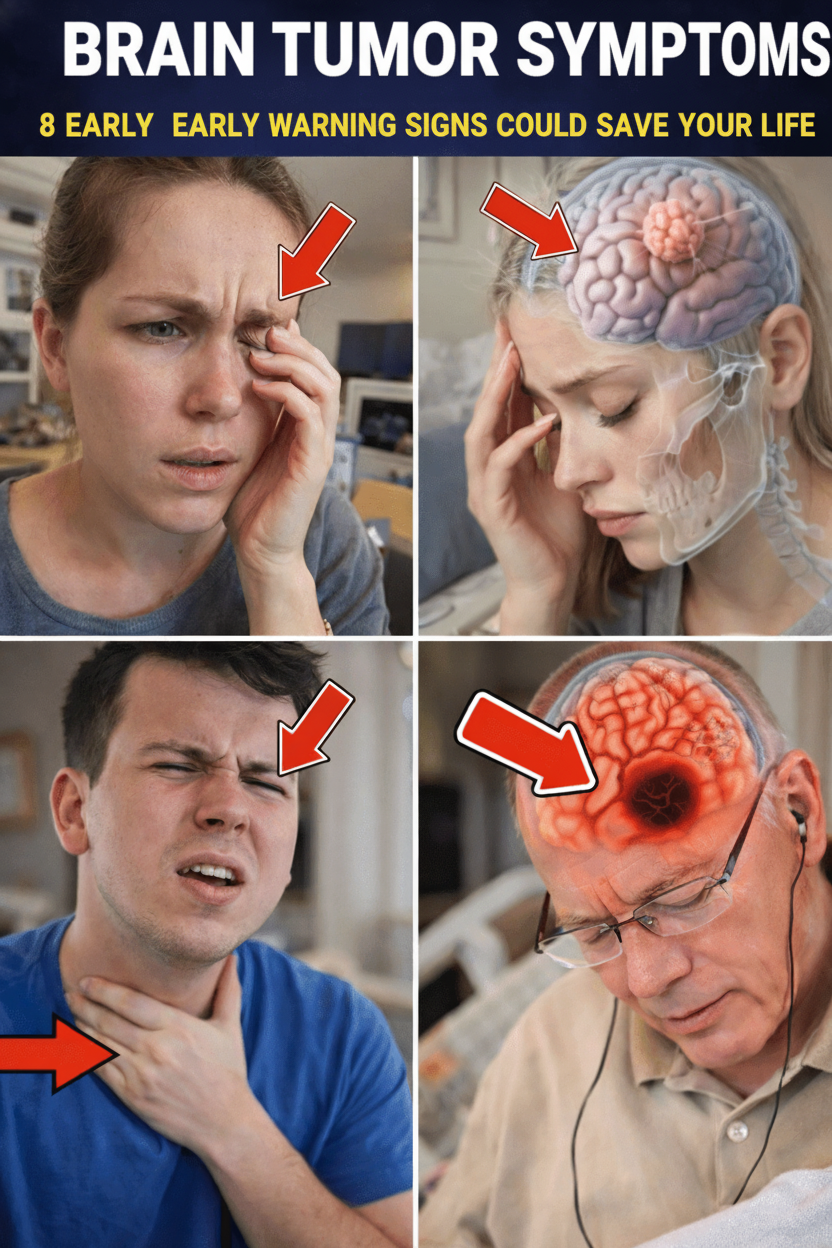
 8 Crucial Early Warning Signs of a Brain Tumor You Shouldn’t Overlook
Many individuals occasionally experience headaches, brief bouts of dizziness, or subtle shifts in mood, often dismissing them as mere consequences of stress or exhaustion. However, when these issues become persistent, intensify without clear provocation, or emerge as new patterns, they could signify something more serious—such as increased pressure within the skull caused by an abnormal growth. The reality is, brain tumors frequently reveal their presence through subtle, escalating changes, and ignoring these indicators can significantly delay vital medical intervention. Leading research institutions consistently highlight the critical importance of recognizing these patterns early.
In this comprehensive guide, we will explore eight common early warning signs, substantiated by medical sources, explain their potential implications, and provide practical steps to take if you notice anything concerning. Stay with us until the end for a straightforward checklist designed to help you identify potential red flags more quickly.
Why Brain Tumor Symptoms Can Be Tricky to Spot
Brain tumors do not always manifest with dramatic symptoms immediately. Smaller or slow-growing tumors might remain asymptomatic for months or even years. Others exert pressure on nearby brain tissues, nerves, or elevate the pressure inside the head (intracranial pressure), leading to discernible changes. Studies from esteemed institutions like the Mayo Clinic and Cleveland Clinic underscore that symptoms vary widely based on the tumor’s size, its exact location, and its growth rate. What might feel like a stubborn headache or a momentary lapse in memory could indeed stem from numerous everyday causes—but when consistent patterns emerge, paying close attention becomes paramount. Moreover, understanding which specific signs warrant a doctor’s immediate attention is crucial.
1. Headaches That Persist or Evolve
Headaches are among the most frequently reported issues in individuals subsequently diagnosed with brain tumors, affecting approximately half of all cases, according to reliable health organizations. These are not your typical tension headaches. They often feel worse in the morning, intensify with activities like coughing or straining, or awaken you from sleep. Over time, their frequency or severity may increase, sometimes accompanied by nausea. If you’ve observed your headaches changing in pattern—for instance, starting mildly but becoming progressively harder to ignore—it’s advisable to track them for a week. Document their timing, potential triggers, and whether over-the-counter pain relievers offer any relief.
2. Nausea or Vomiting Without an Obvious Cause
Experiencing persistent queasiness or vomiting, especially upon waking or unrelated to food intake, can be linked to pressure buildup within the brain. Medical experts note that this symptom often accompanies headaches and tends to worsen when lying flat or making sudden positional changes. Maintain a brief log: Does it primarily occur upon waking? Does the nausea subside after vomiting? These specific details can significantly assist healthcare professionals in assessing the urgency of your situation.
3. Gradual Vision Changes
Blurred vision, double vision (diplopia), or a loss of peripheral (side) vision are significant early indicators. Tumors located near visual pathways or optic nerves can disrupt the signals transmitted to the eyes. You might notice difficulty reading fine print, seeing halos around lights, or a difference in vision between your two eyes. Try this simple self-check at home: Cover one eye and focus on a straight line (such as a door frame). Does it appear wavy or seem to have missing segments? If so, be sure to mention this during your next doctor’s appointment.
4. Unexplained Seizures or Twitching
A sudden seizure—particularly without any prior history—can be a startling initial sign of a brain tumor. These can range from full-body convulsions to subtle staring spells or involuntary jerking of limbs. Sources like the American Cancer Society report seizures in up to half of brain tumor cases, often due to irritation of brain tissue. If you’ve experienced even a brief episode of shaking, a loss of awareness, or unusual sensations, it’s imperative to seek prompt medical evaluation. Do not wait for a recurrence.
5. Weakness, Numbness, or Coordination Difficulties
Sudden or progressive weakness in an arm, a leg, or one side of the body, difficulty walking in a straight line, or feeling unsteady can point to pressure on the brain’s motor control areas. Dizziness, a loss of balance, or increased clumsiness (such as frequently dropping objects) also fall into this category. Observe your daily tasks: Do stairs feel more challenging? Is your handwriting noticeably shakier? Small changes can accumulate and certainly warrant a discussion with a healthcare provider.
6. Personality or Mood Shifts
Friends or family members might begin to notice that you are more irritable, withdrawn, impulsive, or apathetic than usual. Memory lapses, trouble concentrating, or feeling mentally “foggy” frequently accompany these emotional alterations. Research highlights how involvement of the frontal lobe can subtly alter behavior in the initial stages. Reflect honestly: Have your loved ones commented on your mood or behavior recently? Journaling brief notes about your daily feelings can help reveal emerging patterns.
7. Speech or Language Difficulties
Struggling to find the right words, experiencing slurred speech, or having trouble understanding conversations can emerge when tumors affect the brain’s language centers. It might manifest as difficulty articulating thoughts, comprehending spoken instructions, or even reading fluently.