 By admin
 8 Early Warning Signs of Nerve Issues in Your Toes You Shouldn’t Ignore
Have you ever taken off your shoes after a long day, only to notice an unusual tingling or a strange numbness in your toes that just won’t go away? Or perhaps simple acts, like walking barefoot, now feel subtly different, almost ‘off.’ These minor shifts in sensation can easily blend into the background of our busy lives, often dismissed as mere fatigue or a temporary discomfort.
Yet, these quiet signals from your feet might be early indicators of underlying nerve concerns. Affecting millions globally, such issues are frequently linked to natural aging processes or various health conditions. The good news? Recognizing these subtle signs of nerve problems can empower you to take proactive steps towards better foot health and overall well-being. Stick around for a crucial tip at the end that many people tend to overlook!
Understanding How Nerve Problems Can Manifest in Your Toes
The intricate network of nerves in your feet plays a vital role, relaying crucial information to your brain about touch, temperature, and your body’s position in space. When this delicate communication pathway is disrupted, it often begins in the toes. This is because the nerves extending to your toes are among the longest in your body, making them particularly vulnerable to damage or dysfunction.
Initially, you might brush off these sensations as simply tired feet from prolonged standing or walking. However, over time, these seemingly minor changes can significantly impact your mobility and sensory perception. Research from leading health organizations highlights that peripheral nerve issues, a condition where nerves outside the brain and spinal cord are affected, impact over 20 million people in the U.S. alone. It’s a common condition, yet its early signs are frequently missed. But why do these initial warnings often go unnoticed, especially as we age?
Why Foot Sensations Are Often Dismissed After Age 50
As we mature, our bodies undergo various transformations, which can unfortunately make unusual toe discomfort seem like a normal part of aging. Hectic schedules, coupled with the minor aches and pains of daily life, can easily mask these crucial early alerts. For instance, a slight pins-and-needles sensation might be attributed to tight footwear or temporary poor circulation. And in many instances, it *is* harmless.
However, when these sensations persist or recur, they warrant closer attention. Studies indicate that the aging process can influence nerve function, making early awareness even more critical. Consider your toes as your body’s sensitive early warning detectors. Ignoring their signals could mean missing valuable opportunities for simple adjustments or timely interventions that could significantly improve your quality of life. The key is to understand that these nerve issue symptoms often develop gradually, and recognizing their patterns can make a world of difference.
The Ways Your Toes Might Be Signaling Nerve Distress
Changes in nerve function rarely occur overnight. They typically begin with subtle alterations in feeling that may come and go, such as a faint buzzing or an unexplainable warmth. According to general medical research, these sensations are directly related to how your nerves process and transmit signals. Paying attention to them early can encourage beneficial habits and prompt further investigation. Let’s delve into the specific signs that many individuals experience but frequently overlook.
8 Unobtrusive Signs That Could Indicate Nerve Concerns in Your Toes
8. Persistent Tingling or Pins-and-Needles Sensation
Imagine the feeling of ‘pins and needles’ after your foot has fallen asleep, but it occurs spontaneously or without an obvious reason. This sensation, medically termed paresthesia, is a classic early indicator of nerve irritation. While it might initially fade quickly, its frequent return, perhaps more noticeably in the evenings for someone in their 60s, is a sign to watch for. Could this sensation become more intense over time? Keep reading to find out.
7. Numbness That Makes Toes Feel Detached or ‘Asleep’
Picture touching your toes and barely registering the pressure, almost as if they are wrapped in a thick layer of cotton. This reduced sensation, often starting in the extremities, is a common symptom of nerve damage. You might not notice the subtle indentations from your socks or the feel of small pebbles underfoot. This can make everyday activities feel strangely disconnected. But surprisingly, the opposite feeling can also occur – sometimes even a burning sensation.
6. Unexplained Burning Sensations, Especially at Night
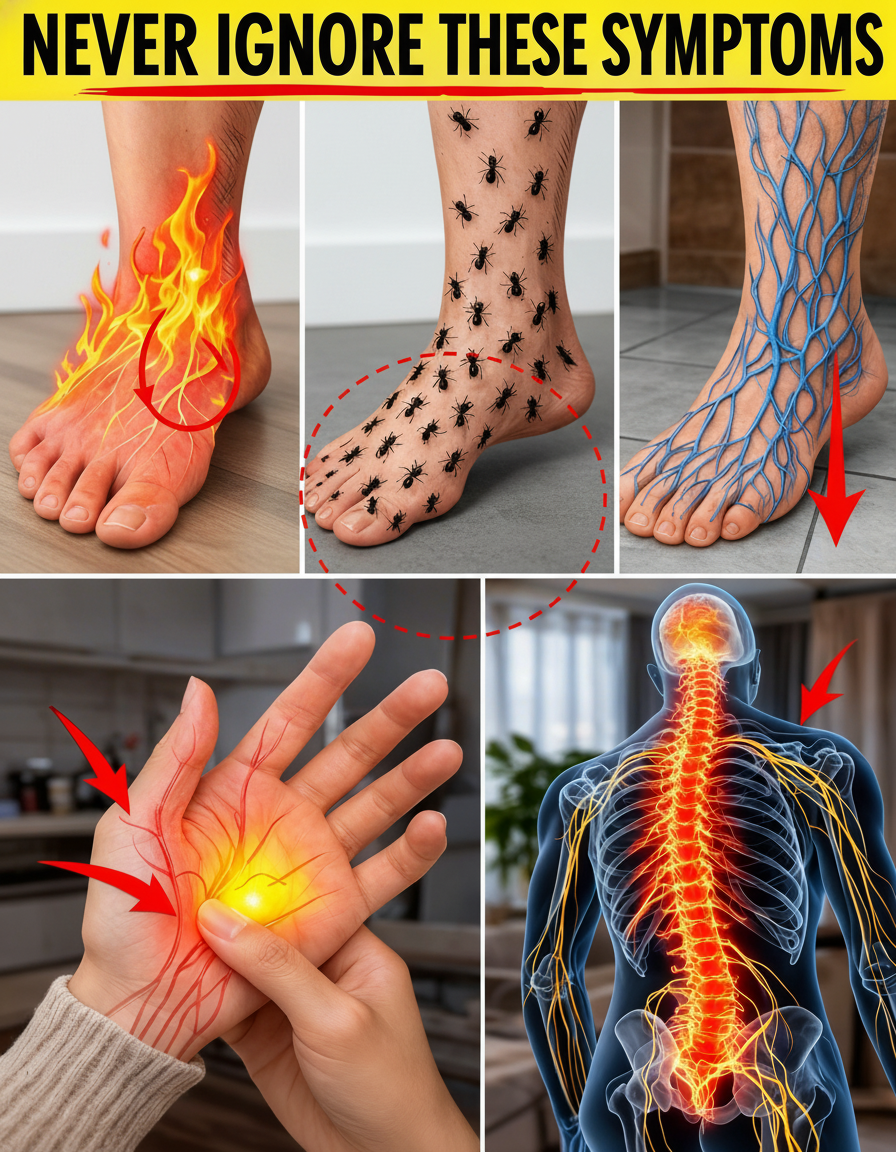
You might be comfortably tucked into bed with cool sheets, yet your toes feel like they’re radiating heat from within. Reports from health studies often link this specific type of burning feet sensation to the activity of certain nerve fibers. It can be incredibly disruptive to sleep, leading to daytime fatigue. Interestingly, a contrasting sensation of cold can also be a warning sign.
5. An Unusual, Persistent Cold Sensation in the Toes
Even when you’re in a warm room, your toes might feel inexplicably chilled, as if they aren’t receiving the correct temperature signals. Medical literature describes this as a misperception of heat and cold, often accompanying other sensory nerve changes. This can be a perplexing symptom. And sometimes, these sensations can escalate into sharp, sudden pains.
4. Sharp, Jabbing Pains That Shoot Through Your Toes
Imagine a sudden, electric-like zap or a quick, sharp stab of pain hitting your toes out of nowhere, whether you’re walking or simply resting. Observations in neuropathy research connect these abrupt pains to nerve irritability. This type of discomfort often intensifies in the evening or with movement. But beyond sharp pains, there’s also a more subtle change in how your toes react to touch.
3. Heightened Sensitivity to Light Touch (Allodynia)
A gentle brush from your bedsheets, the soft fabric of your socks, or even a light touch can suddenly feel uncomfortable, irritating, or even painful. This condition is known as allodynia, where non-painful stimuli are perceived as painful. It’s a clear sign that your nerve endings are overreacting to normal sensations, indicating a potential disruption in their function.
2. Muscle Weakness or Difficulty with Fine Motor Skills
Beyond sensory changes, nerve issues can also affect motor function. You might notice a subtle weakness in your toe muscles, making it harder to lift your toes, spread them apart, or maintain balance. This can manifest as clumsiness, stumbling, or difficulty with intricate foot movements. Over time, this weakness can impact your gait and overall mobility, highlighting the importance of addressing nerve health early.
1. Changes in Skin, Hair, or Nail Appearance
Nerves also play a role in regulating the health of your skin, hair, and nails in the affected area. If you observe changes such as unusually dry or excessively sweaty skin on your toes, thinning hair on your feet, or brittle, slow-growing toenails, these could be subtle indicators of impaired nerve supply. These ‘trophic changes’ are often overlooked but can be an important clue to underlying nerve concerns.
The Crucial Step You Might Be Overlooking
Recognizing these early signs of nerve issues is the first step, but here’s the surprising tip many overlook: **Don’t self-diagnose or dismiss these symptoms as ‘just aging.’** If you experience any of these persistent or worsening sensations in your toes, the most crucial action you can take is to consult a healthcare professional. A doctor can accurately diagnose the cause of your symptoms, which could range from simple lifestyle factors to more complex conditions like diabetic neuropathy or other neurological disorders.
Early diagnosis and intervention are key to managing nerve issues effectively, potentially preventing further progression and improving your quality of life. Pay attention to your feet; they’re constantly communicating with you!