 By admin
 8 Early Warning Signs of Stroke Risk (Up to a Month Ahead) + 9 Key Strategies for Prevention
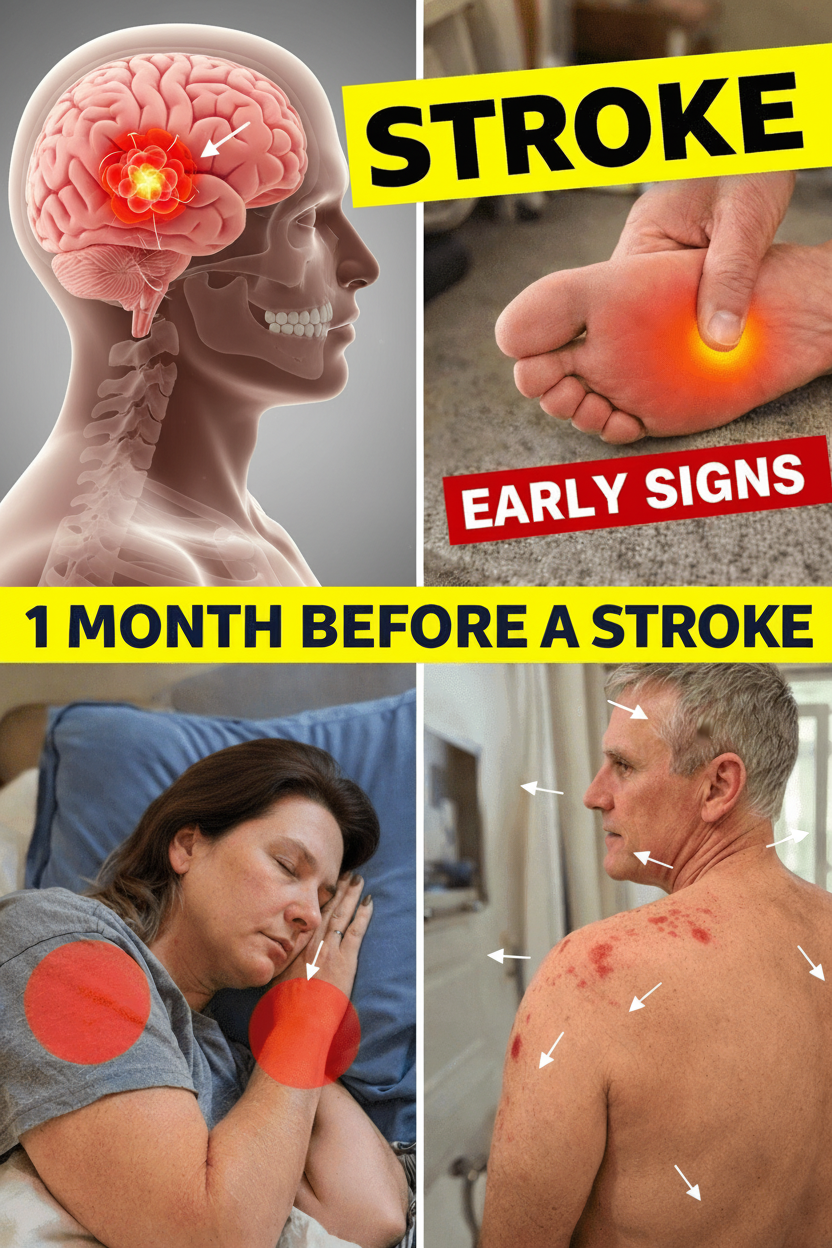
Stroke stands as a formidable global health challenge, consistently ranking among the foremost causes of severe disability and mortality. While many perceive stroke as an abrupt event, emerging research and clinical observations suggest that subtle indicators can sometimes manifest weeks or even a month prior. These precursory signals are often linked to Transient Ischemic Attacks (TIAs), commonly known as ‘mini-strokes,’ which, despite their fleeting nature, are crucial harbingers of potential underlying vascular issues.
Disregarding these early clues can have profound consequences, as timely recognition of risk factors and proactive intervention significantly improve outcomes. Organizations like the American Heart Association highlight that a substantial proportion—up to 80%—of strokes may be preventable through informed lifestyle adjustments and heightened awareness. Imagine the advantage of discerning these patterns earlier, providing a vital window for preventive action. This article will delve into potential early warning signs that merit serious attention and offer actionable strategies to safeguard your brain health.
Understanding Stroke and Why Early Awareness Matters
A stroke occurs when the brain’s blood supply is disrupted, either due to a clot obstructing blood flow (ischemic stroke) or a blood vessel rupturing and bleeding into the brain (hemorrhagic stroke). While the most recognizable stroke symptoms typically appear suddenly and intensely, some individuals experience transient or intermittent signs days, weeks, or even a full month beforehand. These often correspond to TIAs—brief episodes that mimic stroke symptoms but resolve quickly, leaving no lasting damage.
Crucially, TIAs are not benign; they are powerful warnings of an elevated stroke risk. Studies indicate that nearly one in five individuals who experience a TIA may suffer a full-blown stroke within months if the underlying causes remain unaddressed. The objective isn’t self-diagnosis, but rather maintaining vigilance regarding your body’s signals and promptly consulting a healthcare professional. Such proactive engagement can unlock effective preventive strategies and potentially avert a more severe cerebrovascular event.
8 Potential Early Warning Signs to Watch For
While these signs are not definitive predictors for everyone a full month in advance, research consistently shows that transient or recurring neurological issues can precede a major stroke. It is paramount to always treat any sudden or unusual changes in your health with utmost seriousness.
- Intermittent Numbness or Weakness: This may affect one side of the face, an arm, or a leg, often described as a temporary ‘pins and needles’ sensation that comes and goes.
- Brief Episodes of Slurred Speech or Confusion: You might struggle to articulate words, or others may comment that your speech sounds unclear, even if the difficulty resolves rapidly.
- Sudden Vision Changes: This could manifest as blurred vision, double vision, or a temporary loss of sight in one or both eyes, sometimes feeling like a curtain briefly falling across your visual field.
- Unexplained Severe Headaches: Distinct from your usual headaches, these might be described as the ‘worst headache ever’ and occur without any apparent cause.
- Dizziness or Loss of Balance: Sporadic episodes of unsteadiness, making walking or standing feel precarious for short durations.
- Unusual Fatigue or Sudden Tiredness: A profound sense of exhaustion beyond what is normal, occasionally accompanied by other vague symptoms like nausea.
- Trouble with Coordination: Noticing an increased tendency to drop objects or feeling clumsier than usual, particularly on one side of your body.
- Memory Lapses or Difficulty Concentrating: While less common as standalone indicators, experiencing cognitive issues that seem uncharacteristic for you should be noted.
It’s important to remember that many of these symptoms overlap with transient ischemic attacks (TIAs), often referred to as ‘warning strokes.’ If you experience even a single brief episode of these signs, do not dismiss it. Prompt medical evaluation is critical.
The F.A.S.T. Test: Your Quick Checklist for Urgent Symptoms
The American Stroke Association provides a simple, memorable acronym, F.A.S.T., to help identify immediate stroke concerns:
- F – Face Drooping: Does one side of the person’s face droop or feel numb? Ask them to smile—is the smile uneven?
- A – Arm Weakness: Is one arm weak or numb? Ask the person to raise both arms—does one arm drift downward?
- S – Speech Difficulty: Is speech slurred, jumbled, or hard to understand? Ask the person to repeat a simple sentence.
- T – Time to Call Emergency Services: If any of these signs are present, even if they disappear, call emergency services immediately. Every minute counts.
Even if symptoms vanish, seeking prompt medical evaluation is crucial because early intervention can save lives and prevent long-term disability.
9 Powerful Tips to Help Reduce Your Stroke Risk
The encouraging news is that lifestyle choices play a monumental role in stroke prevention. Guidelines from leading health organizations, such as the American Heart Association, underscore these evidence-based habits for supporting optimal vascular health:
- Monitor and Manage Blood Pressure Regularly: High blood pressure is a primary risk factor for stroke. Aim for consistent checks and diligently follow professional medical advice if your readings are elevated.
- Adopt a Mediterranean-Style Eating Pattern: Prioritize a diet rich in vegetables, fruits, whole grains, lean protein (especially fish), nuts, and olive oil, while significantly limiting processed foods, excessive salt, and added sugars. This dietary approach is strongly linked to a reduced stroke risk.
- Stay Physically Active Most Days: Strive for at least 150 minutes of moderate-intensity aerobic activity each week, such as brisk walking, swimming, or cycling. Even short, regular bursts of activity contribute positively to cardiovascular health.
- Quit Smoking and Avoid Tobacco Products: Ceasing smoking dramatically lowers your stroke risk. Utilize available resources like counseling, nicotine replacement therapy, or support apps to aid in this vital process.
- Maintain a Healthy Weight: Achieving and sustaining a healthy body weight through gradual, consistent adjustments to diet and physical activity makes a significant difference over time in reducing stroke risk.
- Control Cholesterol and Blood Sugar Levels: Regular health screenings are essential for early detection of high cholesterol and elevated blood sugar (diabetes). Work with your healthcare provider to manage these conditions effectively through diet, exercise, and, if necessary, medication, thereby reducing arterial damage and stroke risk.
By integrating these powerful lifestyle adjustments and remaining attentive to your body’s signals, you can substantially empower yourself in the fight against stroke and promote long-term brain health.