 By admin
 Imagine this common scenario: you’re relaxing with family, perhaps reaching for a cup of coffee, when suddenly a peculiar weakness affects your hand. A momentary spell of dizziness or confusion washes over you. You might shrug it off, attributing it to a busy day, stress, or simply the effects of aging. However, many people discover a harsh truth too late: the body frequently sends subtle, quiet warning signals weeks before a major stroke occurs. The challenge lies in that these crucial signs are often dismissed or ignored. Yet, recognizing them early can provide a vital window for action, potentially safeguarding your brain and overall health. As you read on, you’ll discover a surprising warning sign near the end that most people never anticipate.
Why Stroke Remains a Significant Health Concern
Stroke continues to be one of the leading causes of long-term disability globally. Public health data indicates that hundreds of thousands of individuals experience a stroke annually. What concerns medical professionals most isn’t just the acute event itself, but the profound and sudden changes it can impose on a person’s life. Basic functions like speech can become impaired, balance may be compromised, and everyday independence can be severely challenged.
However, there’s an encouraging aspect to this. Emerging research suggests that the body often produces detectable warning signs before a full-blown stroke manifests. In many instances, these are linked to what is known as a Transient Ischemic Attack (TIA), commonly referred to as a “mini-stroke.” These brief episodes might last only a few minutes, which is precisely why they are so frequently overlooked. Despite their fleeting nature, TIAs can be among the most critical signals your body can provide, indicating an underlying vascular issue that needs immediate attention. Therefore, understanding these often-missed warning signs is paramount.
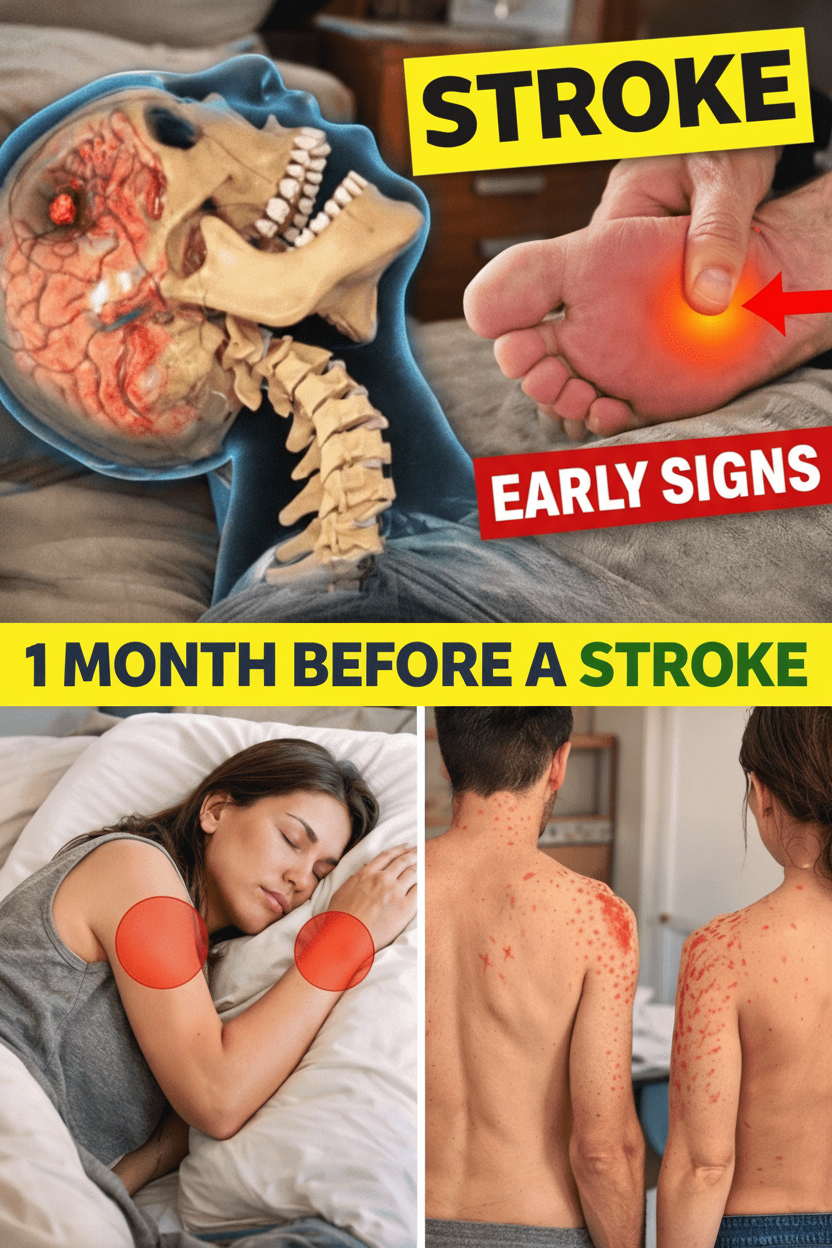
8 Pre-Stroke Warning Signs That May Emerge Weeks in Advance
These symptoms can appear abruptly and, just as quickly, vanish. This transient nature makes them easy to disregard. Nevertheless, doctors emphatically stress that even temporary neurological symptoms should never be ignored. Here are some of the key warning signals your body might be sending:
1. Sudden Numbness or Weakness on One Side of the Body
You might experience an unexpected sensation of heaviness in an arm or a noticeable weakness in a leg that feels unusual. Occasionally, a subtle droop on one side of the face may also be present. These symptoms occur because blood flow to a specific area of the brain is temporarily diminished. Even if the sensation resolves quickly, it warrants immediate medical review.
2. Difficulty Speaking Clearly or Understanding Speech
Some individuals suddenly find themselves struggling to articulate words, with sentences sounding slurred or coming out slowly. Others might understand what is being said but find themselves unable to respond coherently. This symptom, even if it lasts only a few minutes, can be a critical indicator that the brain requires evaluation.
3. Abrupt Vision Changes
Blurred vision, double vision, or a sudden loss of sight in one eye can appear without warning. Some people describe it as if a curtain briefly descended over their field of vision. Because these changes often disappear rapidly, they are frequently attributed to fatigue or eye strain. However, when combined with other symptoms, such vision disturbances should not be overlooked.
4. Severe or Uncharacteristic Headache
An intense headache that feels distinctly different from any headache you’ve experienced before can sometimes precede a stroke. Studies have noted that some individuals reported unusual headaches days before their stroke event. If a headache manifests suddenly and feels unfamiliar or excruciating, it is prudent to seek medical advice.
5. Dizziness or Loss of Balance
You might feel as though the room is spinning (vertigo) or find that walking has suddenly become unsteady. Some describe feeling generally off-balance when standing or moving across a room. While dizziness can stem from various causes, sudden episodes, particularly when accompanied by other neurological symptoms, demand professional assessment.
6. Confusion or Impaired Thinking Clarity
Another subtle yet important sign can be sudden confusion. You might struggle to focus, forget simple tasks, or experience a general mental fogginess. Because these changes can be mistaken for normal age-related cognitive decline, they are often dismissed. However, unexpected shifts in thinking ability can signal reduced blood flow to the brain.
7. Shortness of Breath or Unusual Chest Pressure
While more commonly associated with cardiac issues, difficulty breathing can sometimes manifest before certain vascular events affecting the brain. Some stroke survivors have recalled feeling unusually breathless or winded weeks prior to their stroke. This symptom doesn’t always indicate a stroke risk, but it should always be discussed with a healthcare provider.
8. Extreme Fatigue or Personality Shifts
Feeling utterly exhausted despite adequate rest can serve as another potential warning signal. Some individuals report noticeable mood changes, increased irritability, or unexplained sadness. Because these signs may seem unrelated to brain health, they are often ignored. However, when several symptoms appear concurrently, they can form a crucial pattern warranting investigation. This is precisely where proactive prevention becomes incredibly important.
9 Everyday Habits That May Help Lower Stroke Risk
”
}
“`