 By admin
 8 Effective Strategies to Reduce Frequent Nighttime Urination (Nocturia) for Restful Sleep
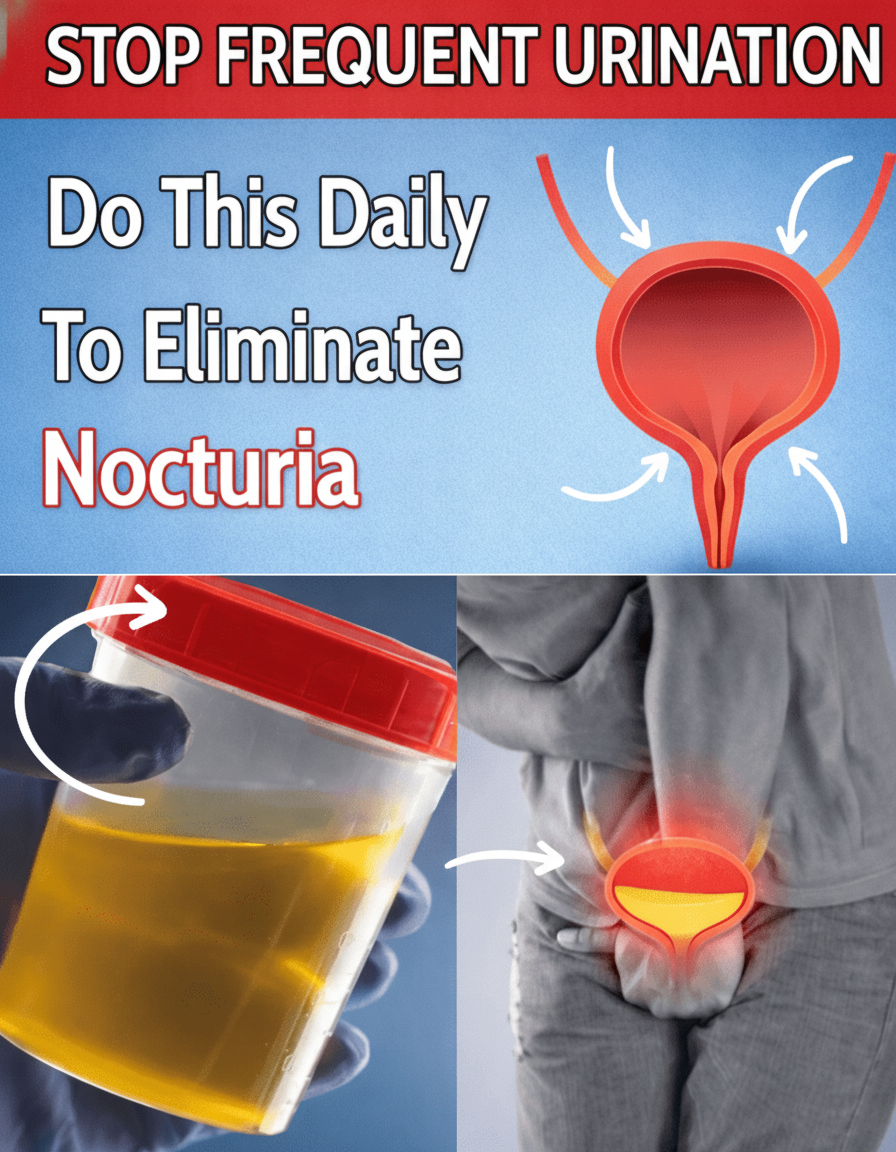
Experiencing frequent nighttime urination, medically known as nocturia, is a common and often frustrating issue for many adults, particularly those over 40. What should be a period of restorative sleep often transforms into a series of disruptive awakenings, leaving individuals feeling exhausted and mentally foggy the following day. The constant interruptions caused by nocturia can significantly hinder productivity, diminish enjoyment of family time, and elevate stress levels, impacting overall mood and energy. It’s natural to wonder if truly peaceful sleep is still achievable as we age.
However, there’s encouraging news: specific lifestyle adjustments can significantly reduce episodes of waking up to urinate at night, paving the way for more consistent, uninterrupted rest. The most impactful improvements often come from combining several of these targeted strategies for long-lasting relief.
🛏️
Understanding the Profound Impact of Nocturia on Your Well-being
Frequent nighttime urination fragments your crucial deep sleep cycles, leading to an unwelcome spike in stress hormones. This leaves you feeling profoundly unrested, even after spending ample hours in bed. Nocturia frequently arises from various factors, including fluid shifts within the body or age-related changes in bladder function, which tend to become more pronounced after the age of 50. These disruptions deprive you of the restorative sleep essential for sharp cognitive function and robust health.
Many individuals mistakenly accept nocturia as an inevitable consequence of aging. Yet, this acceptance can lead to escalating fatigue that adversely affects every aspect of life, from professional focus to emotional stability. The persistent disturbance from nocturia is not a permanent condition you must endure, especially when simple, actionable changes can yield a meaningful difference.
💧
1. Strategically Limit Evening Fluids to Manage Nocturia
One of the most immediate and effective steps to diminish nocturia episodes is to control your fluid intake during the latter part of the day. Shift the majority of your daily water consumption to the morning and early afternoon. This allows your body ample time to process fluids before you go to bed, thereby significantly minimizing those urgent nocturnal trips to the bathroom. Furthermore, it’s crucial to avoid diuretic beverages like caffeine, alcohol, and carbonated sodas after mid-afternoon, as these can exacerbate nocturia and contribute to even more fragmented sleep. Many individuals in their 50s and 60s have reported a noticeable reduction in nighttime awakenings after implementing this straightforward timing adjustment into their daily routine. But there’s an even more powerful strategy for enhancing nocturia control…
🦵
2. Elevate Your Legs in the Evening – A Simple Yet Powerful Trick for Nocturia Relief
Elevating your legs above heart level for 60 to 90 minutes in the late afternoon or early evening offers a remarkably simple solution. This practice helps to redistribute any accumulated fluid that has pooled in your lower extremities throughout the day, which often contributes to increased urine production when you lie down at night. This gravity-assisted method can substantially reduce the overall volume of urine your body produces overnight, thereby alleviating the pressure that repeatedly wakes you from sleep due to nocturia. Utilizing pillows or a recliner for leg elevation is particularly beneficial if you frequently notice swelling in your ankles or legs by the end of the day, a common precursor to heightened nocturia. Individuals actively managing nocturia often report feeling lighter in their legs and experiencing fewer bathroom visits after consistently incorporating this evening routine. Now, let’s explore how to ensure your bladder is truly empty before bed to further combat nocturia.
🚽
3. Master Double Voiding Before Bed to Effectively Combat Nocturia
Double voiding is a simple yet highly effective technique that involves urinating, waiting for approximately 20-30 seconds, and then attempting to urinate again. The goal is to ensure your bladder is as completely empty as possible before you settle down for sleep. This method is instrumental in preventing residual urine from triggering premature awakenings that disrupt your sleep cycle due to nocturia. Many people find that the persistent sensation of incomplete bladder emptying, which often fuels nocturia, is significantly reduced by adopting this quick pre-bed habit. Consistently practicing double voiding supports improved bladder control and leads to fewer interruptions from nocturia throughout the night. You’re making excellent progress in understanding these crucial strategies for managing nocturia.
🍎
4. Adjust Your Diet to Minimize Bladder Irritants and Reduce Nocturia
Carefully managing your evening diet can play a crucial role in calming bladder irritation that often exacerbates nocturia. Avoiding spicy foods, highly acidic items (like citrus or tomatoes), artificial sweeteners, and produce with very high water content in the hours before bed can make a noticeable difference. Instead, focus on incorporating anti-inflammatory foods earlier in the day to support overall bladder health and reduce the frequency of nocturia episodes. Even small dietary modifications, such as cutting back on these common irritants, have helped many middle-aged adults experience less urgency and fewer awakenings from nocturia at night. Paying close attention to what you consume in the hours leading up to bedtime can have a significant positive impact on managing your nocturia.
Quick Self-Check for Your Nocturia Progress
Reflect on your journey so far: How many of these nocturia management strategies have you identified as potentially helpful? What specific factors seem to trigger your frequent nighttime urination most often? On a scale of 1-10, how would you rate your current sleep quality considering the impact of nocturia? Keep exploring – the most impactful insights for overcoming nocturia are still to come.
🏋️