 By admin
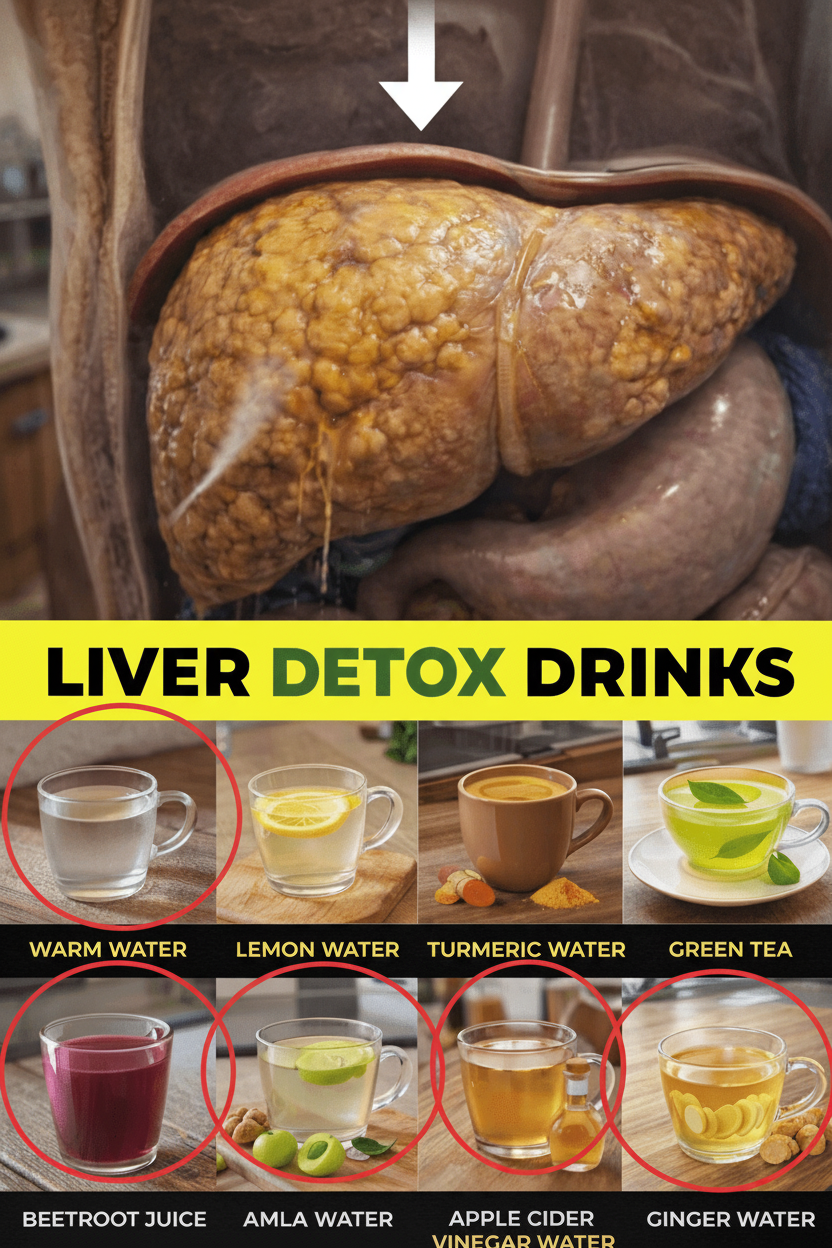
 8 Everyday Beverages to Naturally Support Your Liver Health
Do you often feel a bit sluggish, experience post-meal bloating, or simply suspect your liver is working overtime, processing everything from your morning coffee to late-night indulgences? In our modern world, most adults unwittingly subject their liver to continuous, low-grade stress. Factors like processed foods, irregular sleep patterns, occasional alcohol consumption, and environmental toxins all contribute to this burden.
The excellent news is that your liver possesses remarkable resilience and thrives on consistent, gentle daily assistance. Incorporating certain warm or room-temperature drinks, crafted from common household ingredients, can significantly help your liver carry out its thousands of vital daily functions more efficiently. These aren’t dramatic “detox” solutions or overnight miracles, but rather simple, supportive habits.
Curious to discover which eight beverages are most frequently recommended by nutrition researchers and highlighted in hepatology studies for their ability to support liver enzyme balance, enhance antioxidant protection, and promote healthy bile flow? Continue reading – the final drink on this list often surprises many, yet it’s backed by some of the most compelling contemporary evidence.
Why Your Liver Benefits from Gentle Daily Support
The liver is an extraordinary organ, filtering approximately 1.4 liters of blood every minute. Its crucial roles include neutralizing harmful substances, producing bile essential for fat digestion, storing vital vitamins, regulating blood sugar levels, and synthesizing proteins critical for blood clotting and immune function. When the liver is subtly overburdened for extended periods, individuals may experience symptoms such as persistent fatigue, digestive discomfort, or, in more advanced cases, a yellowish tint to the skin.
The objective here is not to “cleanse” or “flush” the liver – a concept not substantiated by physiological science. Instead, the aim is to consistently supply the liver with essential micronutrients, beneficial polyphenols, and adequate hydration. These elements empower Phase I & II detoxification enzymes, help mitigate oxidative stress, and maintain healthy fat metabolism within liver cells.
1. Warm Water – Your Easiest Starting Point
There’s no need for anything elaborate – simply plain warm water, gently sipped first thing in the morning. This fundamental practice offers several benefits:
- Enhances overall hydration (dehydration can impede bile flow and metabolic processes).
- Gently stimulates portal vein circulation, which is vital for the liver.
- Supports the synergistic work of the kidneys and liver in waste elimination.
Quick Habit: Heat water to approximately 40–50 °C (comfortably warm, not scalding). Drink 300–400 ml slowly on an empty stomach. Many individuals report improved bowel regularity within a few days.
2. Lemon Water – Vitamin C & Gentle Bile Stimulation
Fresh lemon squeezed into warm water has long been a revered classic, and for good reason. Research suggests that the citric acid and vitamin C found in lemons can encourage gallbladder contractions and the release of bile, thereby assisting in fat digestion. Furthermore, the modest antioxidant boost provided helps shield liver cells from daily oxidative stress.
Practical Tip: Combine the juice of ½ a fresh lemon with 300 ml of warm water. Consider drinking through a straw to safeguard tooth enamel. Discontinue use if you experience heartburn or have a diagnosis of GERD. Remember, lemon water aids digestion; it does not miraculously eliminate accumulated toxins.
3. Turmeric Water – Curcumin’s Well-Researched Benefits
This vibrant yellow root contains curcumin, arguably one of the most extensively researched plant compounds for its profound liver health benefits. Numerous scientific reviews indicate that curcumin can significantly reduce inflammatory markers (such as ALT and AST) in individuals experiencing non-alcoholic fatty liver changes. Both laboratory and human studies consistently demonstrate its hepatoprotective effects.
Simple Recipe: Mix ¼ teaspoon of high-quality turmeric powder with a pinch of black pepper (which dramatically enhances curcumin absorption by up to 2000%). Add warm water, and optionally, ½ teaspoon of honey. Stir thoroughly and sip slowly. Caution: If you have gallstones or existing bile-duct issues, it’s advisable to avoid high doses of turmeric.
4. Green Tea – Catechins for Fatty Liver Support
Among the beverages listed, green tea stands out as potentially the most evidence-backed. Meta-analyses of randomized controlled trials consistently report that consuming 2–3 cups of brewed green tea daily (rich in EGCG and other beneficial catechins) correlates with improved liver enzyme levels and a reduction in intrahepatic fat among patients with Non-Alcoholic Fatty Liver Disease (NAFLD).
Best Practice: Steep 1–2 teaspoons of quality loose-leaf green tea or one tea bag for 2–3 minutes. Enjoy 1–2 cups mid-morning and again in the afternoon. It is crucial to avoid concentrated green tea extracts, as rare instances of liver injury have been linked to high-dose supplements, not to moderate consumption of brewed tea.
5. Fresh Beetroot Juice – Betalains & Nitrates
Deep-red beetroot is rich in unique betalain pigments and beneficial dietary nitrates. Both animal and preliminary human studies suggest that betalains can upregulate Phase 2 detoxification enzymes (particularly those related to glutathione pathways) and help reduce oxidative damage within liver tissue.
Easy Preparation: Juice one small-to-medium beet along with one apple and ½ a lemon. For palatability, dilute this mixture 1:1 with water. Alternatively, if you don’t have a juicer, you can blend these ingredients and then strain the mixture. Important: Limit your intake to 150–200 ml daily, as excessive oxalates can be problematic for individuals prone to kidney stones.
6. Amla Water – India’s Vitamin-C Powerhouse
Indian gooseberry, known as amla, is an exceptional source of natural vitamin C, alongside potent polyphenols like gallic acid and ellagic acid. Both ancient Ayurvedic tradition and emerging modern clinical trials connect regular amla consumption to enhanced antioxidant status and healthier liver enzyme profiles.
Method: Soak 2–3 dried amla pieces overnight in 300 ml of water. Drink this infused water in the morning. (Please note: The original article content provided was incomplete at this point, so further methods or drinks 7 and 8 could not be elaborated upon.)