 By admin
 8 Subtle Indicators Your Body Might Be Signaling a Vitamin B12 Deficiency
Do you often wake up feeling utterly exhausted, even after what seemed like a full night’s sleep? Or perhaps you’ve noticed peculiar sensations, like tingling or numbness, appearing seemingly out of nowhere? These seemingly minor frustrations can accumulate, making everyday tasks feel disproportionately difficult and leaving you to wonder if something fundamental is amiss with your health.
It turns out, these persistent issues could be linked to something as basic as insufficient vitamin B12 – a vital nutrient that underpins energy production and nerve function in ways you might not anticipate. But stay with me, because one of the most surprising indicators is something you can easily observe in your reflection, and I’ll share straightforward dietary suggestions at the end that anyone can incorporate into their routine.
Why Vitamin B12 Is Crucial for Your Well-being
Vitamin B12 plays an indispensable role in several critical bodily functions. It is fundamental for the synthesis of red blood cells, which transport oxygen throughout your body, and for maintaining the health of your nerve cells. Beyond this, it’s involved in DNA production and supports optimal brain function. Many individuals remain unaware of its profound importance until their levels begin to dip.
Research from reputable institutions, such as the National Institutes of Health, highlights that suboptimal B12 levels can affect people across all age groups, particularly those adhering to certain dietary patterns (like veganism) or individuals with conditions that impair nutrient absorption. This is precisely where recognizing these subtle signs becomes incredibly important.
8 Overlooked Signs That May Point to a Need for More Vitamin B12
The following signs are often not immediately obvious and can be easily dismissed as general aches, pains, or stress. Here, we explain them in clear terms, supported by what current health research suggests. Remember, these are general observations, and individual experiences can vary significantly. The truly surprising aspect is how common and ‘everyday’ these symptoms can appear until you connect them to a potential underlying cause.
-
Persistent Tingling or Numbness in Extremities
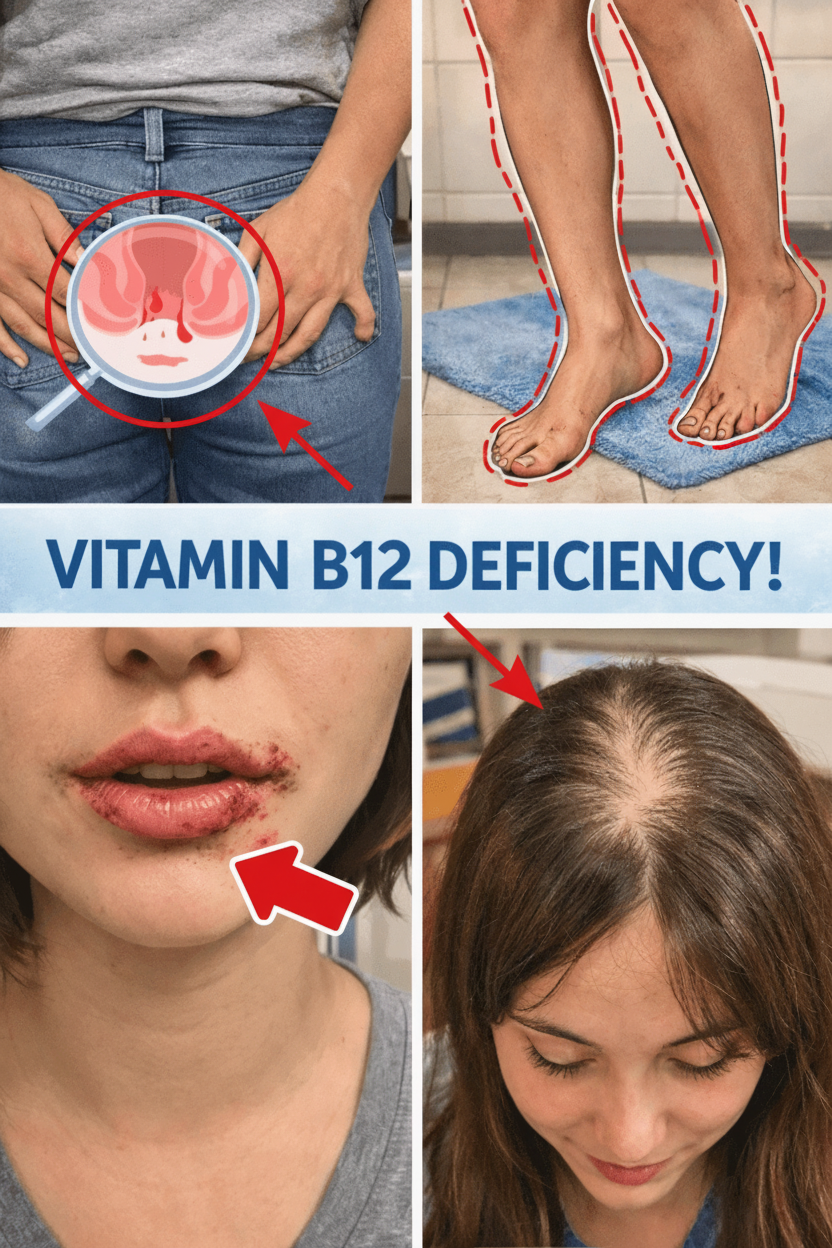
One of the more peculiar sensations associated with B12 deficiency is a ‘pins-and-needles’ feeling, or a general numbness, particularly in your hands and feet. This occurs because vitamin B12 is vital for safeguarding the myelin sheath, a protective layer around your nerves. Without adequate B12 support, nerves can become compromised and transmit confused signals. Numerous studies have linked these types of neuropathy-like symptoms to low B12 levels. If you frequently experience this, especially in your lower limbs, prompting you to shift uncomfortably, it’s certainly worth investigating. The encouraging news is that this nerve damage isn’t always permanent, and consistent daily nutritional choices can make a significant difference.
-
Difficulty with Balance or Feeling Unsteady
Experiencing unsteadiness on your feet or bouts of dizziness without a clear explanation can serve as another important clue. Vitamin B12 supports the neurological pathways responsible for coordination and proprioception (your body’s sense of position in space). According to health research, a deficiency can, over time, make even simple activities like walking feel challenging or precarious. The positive side is that early recognition provides an opportunity to reassess your dietary and lifestyle habits. If you’ve ever felt that odd wobbliness, perhaps after standing for a while, and wondered why, you’re not alone.
-
Noticeable Shifts in Mood or Increased Irritability
You might find yourself feeling unusually low, more prone to sadness, or reacting with irritability more easily than your usual self. Low vitamin B12 has been associated with mood fluctuations in various studies because it plays a crucial role in brain chemistry, including the synthesis of neurotransmitters. This symptom is frequently misattributed to everyday stress, but it could be linked in ways you hadn’t considered. It matters because your brain relies on a consistent supply of essential nutrients for emotional balance. However, many individuals report significant improvements once they prioritize their B12 intake.
-
A Sore, Red, or Swollen Tongue
A tongue that appears unusually beefy red, feels sore, and has a smooth, rather than bumpy, texture is a less common but distinct sign. This condition is sometimes referred to as glossitis and can make eating or even speaking uncomfortable. Research indicates that this can manifest when B12 levels are low because the nutrient is essential for the healthy regeneration of mouth tissues. Indeed, your oral health can often provide valuable insights into your internal well-being. If you’ve recently found yourself avoiding acidic or spicy foods due to discomfort, this might be a piece of the puzzle.
-
Cracked Corners of the Mouth
Painful cracks or fissures at the corners of your lips represent another often-overlooked indicator. This condition, frequently termed angular cheilitis, aligns with what many observe when they look in the mirror. It’s connected to how vitamin B12 supports the healthy maintenance and repair of delicate tissues around the mouth. Seeing these persistent cracks every time you smile can be incredibly frustrating. Yet, it’s interesting to note how quickly some individuals report relief and healing after consciously focusing on nutrient-rich meals that include adequate B12.
-
Unexplained Hair Loss or Thinning
Discovering more hair than usual in your brush or noticing new areas of thinning can be quite alarming. While numerous factors contribute to hair health, some research links low vitamin B12 to alterations in hair quality and growth. This is because the nutrient is crucial for rapid cell division and growth, impacting how your body sustains strong hair follicles from the root. If you’ve been increasingly scrutinizing your hairline or part, you’re likely not imagining things. This particular sign stands out because it presents a visible change for everyone to see.
-
Pale Skin or a Slight Yellowish Hue
If your skin appears noticeably paler than usual, or takes on a subtle yellowish tint, it can be directly tied to how your body processes red blood cells. A significant B12 deficiency can lead to megaloblastic anemia, a condition where the body produces abnormally large, immature red blood cells that cannot function effectively. These cells are fragile and break down easily, leading to a shortage of healthy red blood cells. The paleness is due to the lack of sufficient red blood cells, while the yellowish tinge can result from the breakdown products of these fragile cells, known as bilirubin, accumulating in the skin.
-
Persistent and Debilitating Fatigue
Beyond just feeling tired, a deep, pervasive sense of fatigue and weakness that doesn’t improve with rest is a hallmark symptom of B12 deficiency. Since vitamin B12 is essential for the production of red blood cells (which carry oxygen) and plays a key role in energy metabolism at a cellular level, inadequate levels can severely impair your body’s ability to produce energy efficiently. This isn’t just a lack of pep; it’s a profound exhaustion that can impact every aspect of your daily life, making even simple tasks feel like monumental efforts. It’s a common symptom that’s often dismissed as just being ‘run down,’ but it warrants attention.
Taking Action: Simple Food Ideas for Better B12 Levels
If you recognize several of these signs, it’s crucial to consult a healthcare professional for an accurate diagnosis and personalized advice. However, incorporating B12-rich foods into your diet is a proactive step anyone can take. Here are some simple ideas:
- Animal Products: Lean meats (beef, chicken), fish (salmon, tuna), eggs, and dairy products (milk, yogurt, cheese) are excellent natural sources of vitamin B12.
- Fortified Foods: For vegetarians and vegans, many breakfast cereals, plant-based milks (soy, almond, oat), and nutritional yeasts are fortified with B12. Always check the labels!
- Supplements: In cases of diagnosed deficiency or strict dietary restrictions, your doctor may recommend B12 supplements, which are widely available in various forms.
By understanding these subtle signals and making informed dietary choices, you can better support your body’s need for this essential vitamin and enhance your overall health and vitality.