 By admin
 Have you ever experienced persistent fatigue, even after a full night’s sleep, or felt unusual tingling sensations seemingly out of the blue? These subtle yet disruptive experiences can accumulate, making daily activities feel unexpectedly challenging and prompting concerns about your overall well-being. Surprisingly, such issues could stem from something as fundamental as inadequate vitamin B12 levels – an essential nutrient vital for energy production and robust nerve function, often in ways people don’t anticipate. Keep reading, as one of the most striking signs of vitamin B12 deficiency is visible in your reflection, and I’ll conclude with practical dietary suggestions accessible to everyone.
Why Vitamin B12 Plays a Pivotal Role in Your Well-being
Often overlooked until problems arise, Vitamin B12 is indispensable for numerous critical bodily processes. It is fundamental for the synthesis of red blood cells, which transport oxygen throughout the body, and crucial for sustaining healthy nerve cells. Furthermore, this vital nutrient contributes significantly to DNA production and optimal brain function. A substantial number of individuals remain unaware of its profound importance until their B12 levels begin to decline. Data from reputable institutions, such as the National Institutes of Health, indicates that low vitamin B12 levels can impact individuals across all age groups, particularly those adhering to specific dietary regimens or experiencing absorption difficulties. This context is precisely where these indicative signs become critical.
8 Unmistakable Indicators Your Body May Require More Vitamin B12
The symptoms of vitamin B12 deficiency are frequently subtle and can be easily dismissed as minor inconveniences. Below, we delve into these signs, presented in clear language and supported by current research insights. It’s important to remember that these are general observations, and individual experiences can vary significantly. What often surprises people is how mundane these indicators can appear until they are recognized as potential calls for help from your body.
1. Persistent Tingling or Numbness in Extremities
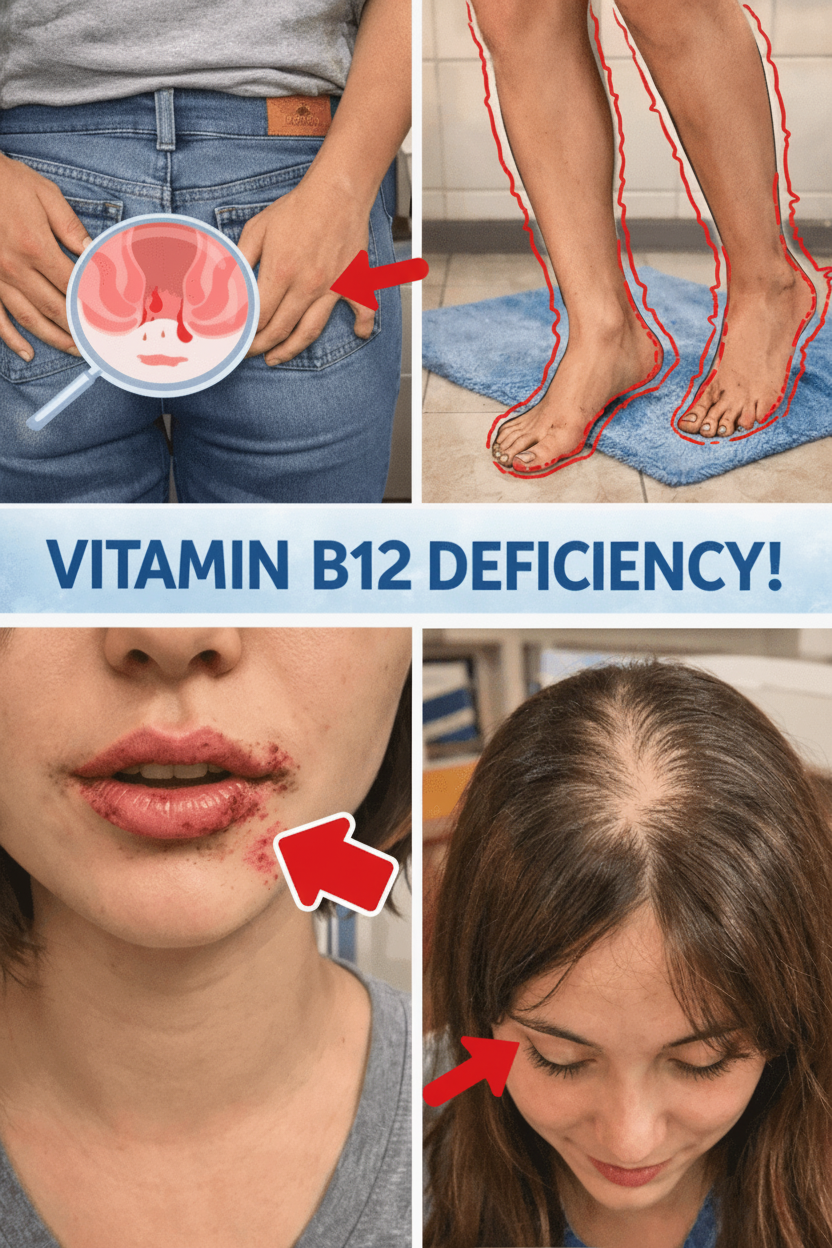
Among the more peculiar physical sensations is a recurring pins-and-needles feeling or numbness, particularly in your hands and feet. This occurs because Vitamin B12 plays a critical role in safeguarding the myelin sheath, a protective layer surrounding your nerves. When B12 levels are insufficient, nerves can fail to transmit signals correctly, leading to these unusual sensations. Scientific studies have frequently correlated such neuropathy-like symptoms with low vitamin B12 levels. If you regularly experience this, especially in your lower limbs, causing discomfort that makes you want to move, it warrants closer examination. Crucially, this condition is often not irreversible, and modest daily adjustments can significantly contribute to improvement.
2. Unexplained Balance Issues or Unsteadiness
A sense of being unsteady on your feet, experiencing unexplained dizziness, or feeling generally wobbly can serve as another significant indicator. Vitamin B12 is crucial for supporting the neurological pathways that govern coordination and proprioception. Health research suggests that a deficiency can gradually impair these functions, making routine activities such as walking feel increasingly difficult. The positive aspect is that early identification of this B12 deficiency symptom provides an opportunity to reassess your lifestyle and dietary patterns. If you’ve found yourself feeling unexpectedly off-balance, perhaps while standing on a cool surface, you’re certainly not alone in seeking answers.
3. Noticeable Mood Swings or Increased Irritability
You might observe yourself experiencing periods of low mood, feeling unusually down, or reacting with irritability more readily than before. Scientific investigations have, in some instances, linked low vitamin B12 levels to alterations in mood, primarily because this nutrient is instrumental in maintaining balanced brain chemistry. This particular B12 deficiency sign is frequently misattributed to daily stressors, yet it could be indicative of an underlying nutritional imbalance. The importance lies in recognizing that your brain requires consistent nutritional support for emotional stability. Encouragingly, many individuals report significant improvements in their emotional well-being once they prioritize adequate B12 intake.
4. A Sore, Inflamed, or Unusually Smooth Tongue
A tongue appearing abnormally red, feeling persistently sore, or having an uncharacteristically smooth texture is a less universally recognized sign of vitamin B12 deficiency. This condition, medically referred to as glossitis, can render eating and speaking quite uncomfortable. Studies suggest that such changes can manifest when B12 levels are insufficient, given the nutrient’s role in maintaining the health of oral tissues. Indeed, the condition of your mouth can often provide valuable clues about your internal health. If you’ve recently found yourself shying away from spicy dishes, this oral symptom could be a contributing factor.
5. Painful Cracks at the Corners of Your Mouth
The appearance of painful fissures at the commissures of your lips presents another distinct, albeit uncommon, indicator. This condition is medically known as angular cheilitis, a symptom many individuals observe directly in their reflection. It is directly associated with Vitamin B12’s crucial role in supporting the integrity of perioral tissues. Witnessing these persistent cracks each time you smile can be particularly disheartening. However, it’s noteworthy how rapidly some individuals report alleviation of symptoms after consciously incorporating more B12-rich foods into their diet.
6. Unexplained Hair Thinning or Loss
Discovering an increased amount of hair on your brush or noticing new areas of thinning can be quite alarming. While hair health is influenced by a multitude of factors, certain studies have established a correlation between low vitamin B12 levels and adverse changes in hair quality. This is largely due to the nutrient’s fundamental involvement in supporting cellular growth and regeneration, which directly impacts the strength and vitality of hair follicles. If you’ve found yourself scrutinizing your hairline or part more frequently, rest assured that your observations are likely valid. This particular B12 deficiency symptom is often visually apparent, making it a prominent indicator.
7. Unusually Pale or Slightly Jaundiced Skin
Observing your skin appearing notably paler than its typical complexion, or even developing a subtle yellowish tint, can be closely linked to how your body processes and utilizes iron and red blood cells. A deficiency in Vitamin B12 can lead to megaloblastic anemia, a condition where red blood cells are larger than normal and fewer in number, impairing oxygen transport. This reduction in healthy red blood cells can result in pallor. Furthermore, the breakdown of these fragile, abnormally large red blood cells can release bilirubin, causing a faint yellow (jaundiced) appearance, particularly noticeable in the whites of the eyes or on the skin. This visual cue can be a critical sign of B12 deficiency requiring attention.
Recognizing these often-overlooked signs of vitamin B12 deficiency is the first step towards better health. If you identify with several of these indicators, it’s highly advisable to consult with a healthcare professional for an accurate diagnosis and personalized advice. Remember, addressing low B12 levels can often be achieved through dietary adjustments, such as incorporating more B12-rich foods like meat, fish, eggs, dairy products, and fortified cereals, or through supplementation under medical guidance. Prioritizing this vital nutrient can significantly improve your energy, mood, and overall well-being.