 By admin
 8 Unexpected Signs Your Body Needs More Vitamin B12
Do you often feel inexplicably drained, even after a full night’s rest? Perhaps you’ve noticed unusual tingling sensations in your limbs, or your emotional state seems to fluctuate without a clear cause. These subtle shifts can emerge gradually, and many individuals tend to dismiss them as everyday stress, a natural part of aging, or simply “one of those days.” However, these seemingly minor issues can sometimes be crucial indicators that your body isn’t receiving adequate amounts of vitamin B12 – an essential nutrient vital for energy metabolism, robust nerve health, and the formation of healthy red blood cells.
In the following sections, we will delve into eight lesser-known signs that scientific research links to insufficient B12 levels. We’ll explore the underlying reasons why these symptoms manifest and provide practical, everyday strategies you can implement to support optimal B12 intake. Make sure to read through to the end, as we reveal a surprising food combination often overlooked that can significantly boost your body’s absorption of this critical vitamin.
What is Vitamin B12’s Role in Your Body?
Vitamin B12, also known as cobalamin, is indispensable for numerous vital bodily functions. It plays a pivotal role in converting the food we consume into readily available energy, ensuring our cells have the fuel they need. Furthermore, it’s crucial for safeguarding nerve cells by maintaining their protective fatty sheath, myelin, which enables efficient nerve signal transmission. B12 also supports the continuous production of healthy red blood cells, which are responsible for oxygen transport throughout the body. When B12 levels are inadequate, these fundamental processes begin to falter. Research indicates that even mild deficiencies can impact energy levels, cognitive function, and nerve communication long before severe health complications arise. This underscores the importance of recognizing the more subtle warning signs early on.
1. Persistent Exhaustion Unresponsive to Rest
Imagine going to bed early, getting eight hours of sleep, yet waking up feeling as though you haven’t rested at all. This chronic, unyielding tiredness is one of the most frequently reported complaints associated with dwindling B12 reserves. The reason lies in B12’s critical function: it’s a key coenzyme in transforming carbohydrates and fats into adenosine triphosphate (ATP), the primary energy currency used by every cell. When B12 levels are low, cells struggle to generate energy efficiently. Many individuals initially notice this persistent, draining fatigue manifesting particularly in the afternoon, even after consuming caffeine.
2. Tingling Sensations or Numbness in Extremities
Experiencing unusual prickly sensations, often described as “pins and needles,” or intermittent numbness in your fingers, toes, or the soles of your feet can be a telling symptom. Insufficient vitamin B12 can compromise the integrity of the myelin sheath, the protective covering around nerve fibers. This damage, medically termed peripheral neuropathy, disrupts the smooth transmission of nerve signals. These sensations frequently begin in the extremities because these nerves are the longest. A notable pattern to observe is if the discomfort temporarily lessens with movement but reappears when you are still.
3. Mental Cloudiness and Difficulty with Word Recall
Forgetting why you entered a room, struggling to retrieve common words during a conversation, or experiencing a general sense of mental “fuzziness” can be incredibly frustrating. Studies indicate a link between suboptimal B12 levels and slower cognitive processing, along with mild memory impairments. Vitamin B12 is instrumental in the synthesis of neurotransmitters and supports healthy communication between brain cells. Consequently, a shortfall often first manifests as impaired clarity of thought. Many people describe this sensation as their “brain no longer operating at full capacity.”
4. Unexplained Paleness or a Mild Yellowish Skin Tone
For red blood cells to mature correctly and function optimally, they require adequate B12. When the body’s supply of this vitamin is insufficient, it begins to produce larger, immature red blood cells (known as megaloblasts) that are less effective at carrying oxygen. The visible consequence often includes noticeably paler skin. In some instances, a subtle, jaundice-like yellowish tint may appear due to the increased release of bilirubin from broken-down red blood cells. A quick self-check involves examining the inside of your lower eyelids – unusual paleness there can be an early indicator.
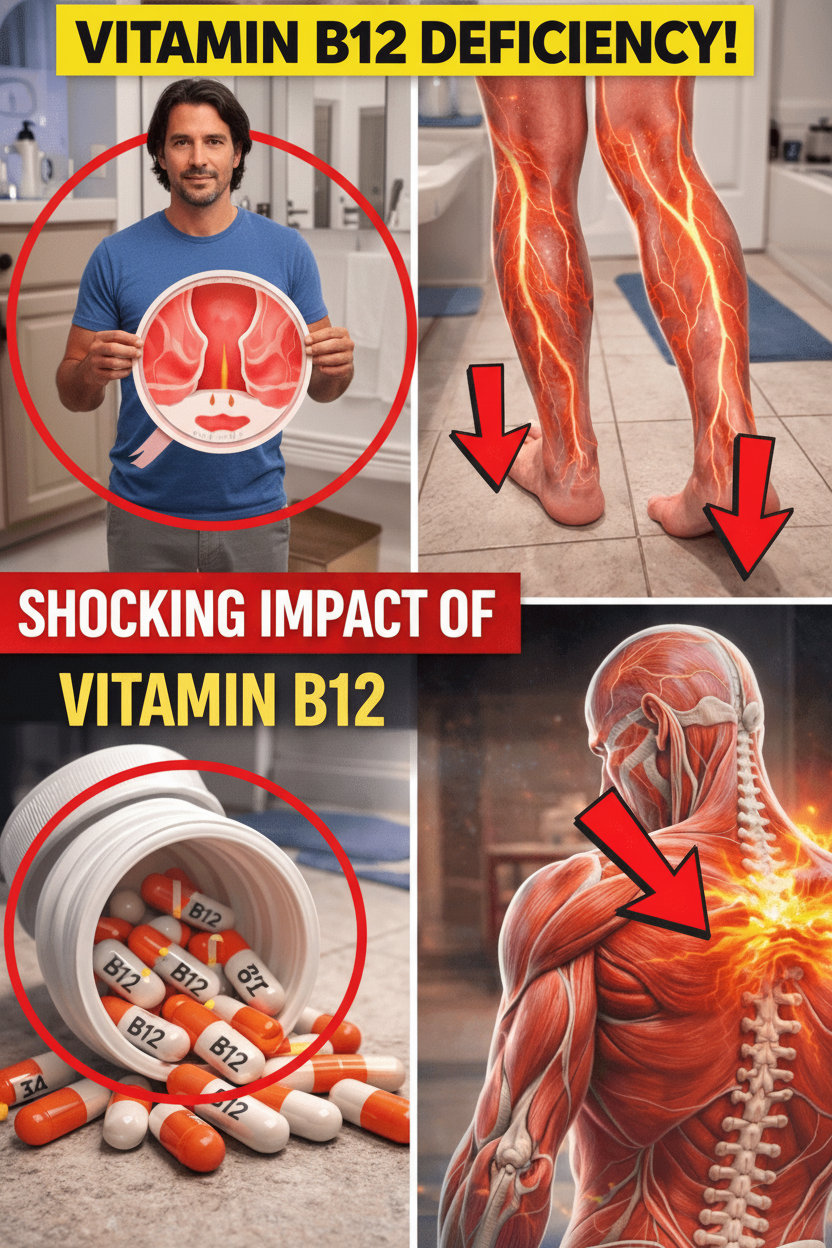
5. Impaired Balance or Dizziness Upon Rapid Movement
A shortage of B12 can impact the neural pathways responsible for proprioception – your body’s sense of position – and maintaining equilibrium. Many individuals report feeling unsteady or wobbly, particularly when rising quickly from a seated or lying position. In more advanced cases, walking might feel peculiar, almost as if treading on cotton, and the risk of accidental falls subtly increases. While addressing the underlying deficiency, incorporating gentle balance exercises and enhancing postural awareness can offer supportive benefits.
6. Glossitis: A Sore, Smooth, or Inflamed Tongue
Take a moment to inspect your tongue in a mirror: Does it appear unusually red, abnormally smooth (indicating a loss of the tiny papillae), or feel particularly sensitive? This condition, medically termed glossitis, arises because the rapidly dividing cells lining the mouth and tongue demand a generous supply of B12. Without sufficient B12, the tongue’s surface can flatten, becoming painful and inflamed. Some individuals even report that foods taste “off” or different. Sipping cool water or consuming soft, bland foods can often provide temporary relief from the discomfort.
7. Breathlessness During Mild Physical Exertion
Finding yourself winded after climbing just one flight of stairs, an activity you once managed effortlessly, can be a concerning sign. Low B12 levels lead to a reduction in the number of healthy, oxygen-carrying red blood cells, a condition known as anemia. With less oxygen reaching your muscles and vital organs, even routine daily tasks can suddenly feel profoundly exhausting. This particular symptom typically develops insidiously, making it easy for many to mistakenly attribute it solely to the effects of “getting older.”
8. Mood Swings, Irritability, or Persistent Low Mood
Vitamin B12 plays a significant role in the synthesis of neurotransmitters, such as serotonin and dopamine, which are crucial for regulating mood, sleep, and overall emotional well-being. Consequently, a deficiency can disrupt these delicate chemical balances in the brain, leading to symptoms like increased irritability, persistent feelings of sadness, anxiety, or a general sense of feeling down more frequently than usual. These mood disturbances can often be mistaken for other conditions, highlighting the importance of considering B12 levels.
Taking Action and a Surprising B12 Absorption Tip
Recognizing these subtle yet significant signs of potential vitamin B12 deficiency is the first step toward better health. If you suspect your B12 levels might be low, it’s crucial to consult a healthcare professional for proper diagnosis and guidance. They can perform blood tests and recommend appropriate interventions, which may include dietary changes, supplements, or injections.
As promised, here’s a valuable tip for optimizing B12 absorption: Many people are unaware that pairing vitamin B12-rich foods with vitamin C can enhance its bioavailability. While