 By admin
 9 Essential Early Warning Signs of Cervical Cancer Many Women Overlook
It’s common for women to experience subtle bodily changes, often dismissing them as mere consequences of stress, hormonal fluctuations, or the everyday demands of life. These nuanced signals can frequently go unaddressed, leaving you with a sense of unease without a clear understanding of its origin, especially when your schedule feels too packed for additional health check-ins. The encouraging news is that heightened awareness can significantly boost your sense of control and confidence regarding your health decisions. However, what truly surprises most women is a particular daily habit that links all these indicators and fosters greater peace of mind – and this crucial insight awaits you at the conclusion of this comprehensive guide.
Why Paying Attention to These Changes Can Make a Difference
Cervical cancer frequently progresses without overt symptoms in its initial stages, which underscores precisely why consistent screenings are indispensable for every woman. As cellular changes advance, specific signals may emerge that your body uses to communicate a need for attention. Recognizing these early indicators doesn’t warrant panic; rather, it signifies that you are attuned to your body and prepared to engage in an open dialogue with your physician. Research shared by esteemed organizations like the American Cancer Society emphasizes that monitoring your body’s typical patterns empowers women to take a more proactive role in their health journey.
The 9 Early Warning Signs to Watch For
Here are the signs many women tend to overlook, presented clearly and concisely, to help you identify potential patterns in your own health routine. It’s vital to remember that these symptoms can also arise from various common, benign causes, so the definitive next step is always to consult with a healthcare professional.
-
Bleeding After Intimacy
One of the most frequently missed indicators is light spotting or bleeding that occurs immediately following sexual intercourse. While it might seem insignificant at first, particularly if it’s an isolated incident, it can point to cervical changes that warrant further investigation. Many women mistakenly attribute it to vaginal dryness or minor irritation, yet meticulously tracking its occurrence can help you discern if the pattern persists.
-
Spotting Between Periods
Unexpected light bleeding or a pinkish discharge outside your anticipated menstrual cycle can appear random and is often easily disregarded. This phenomenon occurs independently of your regular period and may manifest intermittently without accompanying pain. What many don’t realize is that even sporadic spotting deserves attention, as it’s your body signaling a shift that merits discussion with a medical expert.
-
Bleeding After Menopause
If you have already navigated through menopause and observe any form of vaginal bleeding or spotting, this is never considered normal and should never be dismissed. Many women feel surprised or even embarrassed to bring this up, yet healthcare providers view it as a critical clue requiring thorough exploration. Maintaining composure and promptly scheduling a medical visit can swiftly bring clarity.
-
Heavier or Longer Periods Than Usual
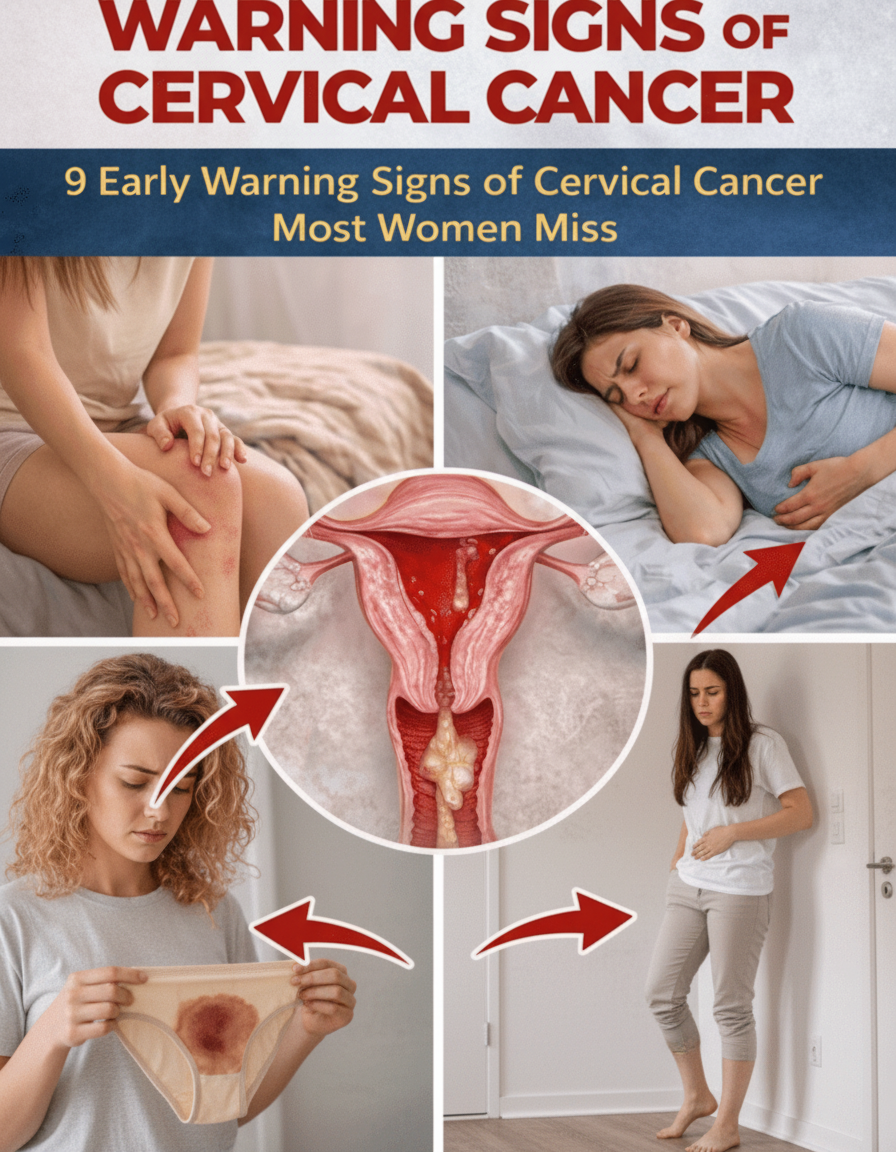
Suddenly requiring more sanitary protection or noticing that your menstrual period extends for several additional days can feel more like an inconvenient change than a potential warning sign. This alteration in menstrual flow is often attributed to aging or heightened stress levels. However, when this pattern continues month after month, it becomes one of those subtle yet significant signs worth mentioning at your upcoming medical appointment.
-
Unusual Vaginal Discharge
Vaginal discharge that becomes watery, pink, brown, or develops a strong, uncharacteristic odor can emerge gradually and be mistaken for a minor infection. This may occur between menstrual cycles or after menopause and can feel awkward to discuss. The reality is that recognizing a lasting alteration in the discharge’s color, volume, or smell empowers you to seek answers sooner rather than later.
-
Pain or Discomfort During Intimacy
Sexual intercourse that unexpectedly feels uncomfortable or even deeply painful within the pelvis is frequently brushed off as a temporary issue. Many women adapt their routines or avoid intimacy instead of vocalizing their concerns. Nevertheless, this signal can reflect deeper underlying changes, making it one of the signs that greatly benefits from an open conversation with your doctor.
-
Persistent Pelvic Pressure or Pain
A dull ache or a sensation of pressure in the lower abdomen that lingers for weeks can easily be confused with daily fatigue or common digestive discomfort. It may come and go, making it simple to overlook. What often surprises women is how keeping simple notes about when these symptoms occur can reveal invaluable patterns for your healthcare provider.
-
Ongoing Lower Back Pain
Backaches that do not improve with rest or stretching and seem unrelated to physical activity or posture are frequently overlooked. This particular type of pain can feel vague and initially disconnected from other health issues. Yet, when observed in conjunction with other bodily changes, it contributes another vital piece of information that supports informed health decisions.
-
Swelling or Discomfort in the Legs
Unexplained swelling in one or both legs, sometimes accompanied by a heavy sensation, typically appears in later stages but is still crucial to recognize early. Many individuals attribute it to prolonged standing or minor circulatory issues, often overlooking its potential significance.