 By admin
 9 Unexpected Foot Signals That May Indicate Liver Health Concerns
Have you ever noticed subtle yet recurring changes in your feet? Perhaps persistent swelling, unexplained itchiness, or the sudden appearance of visible veins? These seemingly minor issues can be frustrating and uncomfortable, impacting daily activities like walking or wearing your favorite shoes. While often dismissed, such subtle signs might be your body’s way of signaling deeper systemic health issues, particularly concerning the liver’s crucial role in fluid balance, detoxification, and circulation.
Leading health institutions, including the Mayo Clinic and Cleveland Clinic, highlight that challenges to liver function can manifest with noticeable effects in the lower body. This is because the liver is instrumental in processing blood proteins and hormones, and any impairment can have widespread repercussions. The encouraging news is that recognizing these early indicators and adopting proactive lifestyle adjustments can significantly support overall wellness. There’s an often-missed connection between your feet and your liver that, once understood, can entirely change how you perceive these signals—so keep reading to uncover it.
Why Your Feet Can Reflect Liver Function
Your liver performs a multitude of vital functions behind the scenes, diligently filtering toxins, producing essential proteins that maintain fluid balance, and regulating hormones. When its function is compromised or challenged, it can lead to issues such as fluid accumulation or alterations in blood circulation. These changes frequently appear first in distant areas like the feet and ankles, primarily due to the effects of gravity.
Medical research indicates that conditions affecting liver health often result in peripheral symptoms. This is typically due to decreased production of albumin, a key protein, or an increase in pressure within the blood vessels. But that’s not the complete picture—let’s explore the specific ways your feet might be sending you important messages about your liver.
-
Swelling in the Feet and Ankles (Edema)
One of the most common observations is peripheral edema, characterized by puffiness or swelling, particularly noticeable towards the end of the day. This occurs when the liver produces insufficient amounts of albumin, a critical protein that helps keep fluid contained within the blood vessels. Consequently, fluid leaks out into the surrounding tissues, accumulating in the lower legs and feet.
- Actionable Tip: Elevate your legs above heart level for 15-20 minutes several times daily to encourage fluid drainage.
- Actionable Tip: Reduce your sodium intake to help minimize fluid retention.
- Actionable Tip: Engage in gentle activities, such as walking, to improve overall circulation.
- Actionable Tip: If swelling persists or worsens, it is crucial to consult a healthcare provider for proper diagnosis and management.
-
Visible Spider-Like Veins on Ankles or Feet
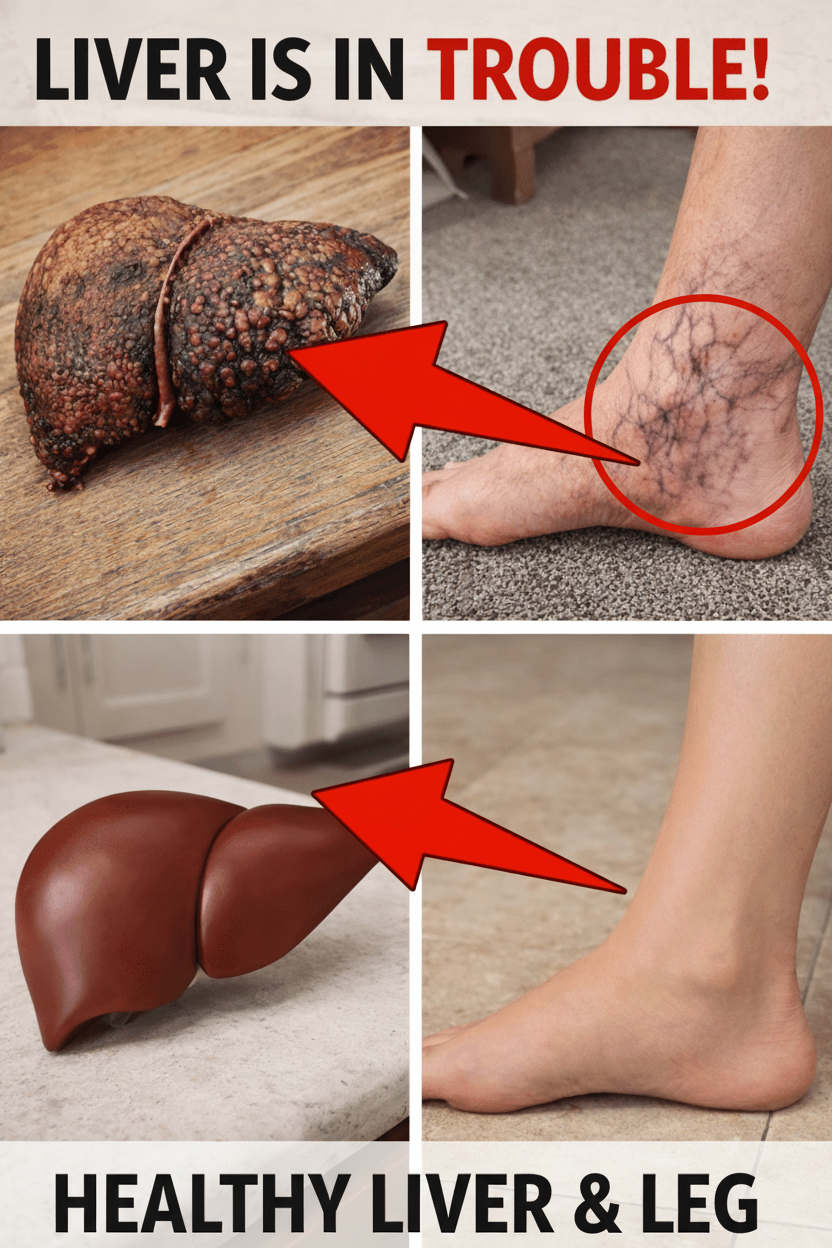
Small, web-like red or purple blood vessels, medically known as spider angiomas or telangiectasias, can emerge on the lower legs or ankles. Studies link the prevalence of multiple such instances to significant hormonal shifts, especially when the liver struggles to process estrogens effectively. While often harmless on their own, their clustered appearance can be a notable sign.
-
Persistent Itchiness on the Soles or Skin (Pruritus)
Intense and persistent itching, particularly on the soles of the feet, can result from the buildup of bile salts in the bloodstream. This happens when the liver’s processing and elimination functions slow down. This uncomfortable sensation often intensifies at night and can lead to vigorous scratching, further irritating the skin.
- Actionable Tip: Apply cool compresses or use fragrance-free moisturizers for temporary relief while focusing on supportive lifestyle habits.
-
Yellowish Tint to Skin or Nails (Jaundice)
A subtle yellowish discoloration, known as jaundice, might first appear in the soles of the feet, toes, or nail beds due to the accumulation of bilirubin. Early changes can be very faint and easy to miss but tend to become more pronounced over time. Regularly monitoring your skin tone in natural light can help you spot these gradual shifts.
-
Tingling or Numbness in the Feet (Neuropathy)
A sensation often described as “pins and needles” or a reduced feeling (numbness) can occur if nerve function is compromised by ongoing health challenges, a symptom sometimes observed in certain liver-related conditions. This peripheral neuropathy can be a concerning sign.
- Actionable Tip: Gentle foot massages and warm (not hot) soaks may offer temporary comfort and ease discomfort.
-
Dry, Cracked Heels That Won’t Heal
Impaired circulation and dehydration, often stemming from fluid imbalances associated with liver dysfunction, can lead to persistently rough, cracked heels that are slow to heal. This dryness often coincides with other notable skin changes.
- Actionable Tip: Regular moisturizing with urea-based creams and wearing supportive, breathable socks can help maintain skin softness and integrity.
-
Changes in Nail Appearance
The appearance of your toenails might change, becoming pale, unusually white (known as Terry’s nails), or even curved downwards at the tips (clubbing in advanced cases). These alterations are often related to changes in oxygen levels and protein synthesis, both of which are significantly influenced by liver activity.
- Actionable Tip: Keep nails neatly trimmed and observe for any consistent patterns or changes over several weeks.
-
Red or Blotchy Soles (Plantar Erythema)
Reddened or mottled soles of the feet, similar to palmar erythema (red palms) but appearing on the feet, can signal underlying circulatory or hormone-related shifts. While less common than some other signs, it is an important indicator to note, especially when observed alongside other symptoms.
-
Unusual Foot Odor or Heat Sensations
Some individuals report experiencing warmer feet or a stronger, unusual foot odor when the body’s detoxification pathways face hurdles. This can happen as certain metabolic byproducts attempt to exit the body through the skin.
- Actionable Tip: Staying well-hydrated and practicing diligent foot hygiene can support the body’s natural balance and minimize these symptoms.
Recognizing these potential foot signals is a crucial step towards proactive health management. While these symptoms are not exclusive to liver issues and can stem from various causes, their persistent or combined presence warrants attention. If you notice any of these signs, particularly if they are new, worsening, or accompanied by other concerning symptoms, it is highly recommended to consult a healthcare professional. Early detection and intervention can make a significant difference in managing liver health and overall well-being. Your feet might just be telling you something important!