 By admin
 Baking Soda on Your Face: The Unfiltered Truth About This DIY Skincare Hack
Let’s be real: who isn’t sick of dealing with oily T-zones, rough skin texture, and those pesky breakouts that just won’t quit? Day after day, it feels like your skin is screaming for help, and those fancy, overpriced creams and serums? They often fall flat, leaving you frustrated and out of pocket. But here’s the juicy gossip: a humble pantry staple has been making waves for its alleged role in at-home skincare routines. The real kicker, though, the secret most people totally miss, is *how* to use it without completely messing up your skin’s delicate balance. Stick with me, because I’m about to spill that crucial detail so you can decide if this cheap trick is worth the risk for your precious face.
Baking Soda on Your Skin: What’s the Real Deal?
Alright, so what exactly is this magic powder? Baking soda, or sodium bicarbonate, is that fine white stuff chilling in your kitchen, probably for baking cookies or scrubbing grime. Now, here’s where it gets interesting for your face: it’s mildly alkaline, rocking a pH of about 9. Your skin, on the other hand, is a bit of an acid snob, preferring a pH of roughly 4.5 to 5.5. That natural “acid mantle” is like your skin’s personal bodyguard, locking in moisture and kicking bad bacteria to the curb. Throwing an alkaline bomb like baking soda into the mix can temporarily flip that balance on its head. That’s why understanding the science isn’t just for nerds – it’s essential before you start experimenting. But hold up, that’s not the whole story. Many DIY enthusiasts wonder if this pH shake-up could actually tackle surface-level issues, and that burning curiosity has turned baking soda into a viral, must-try topic.
The ‘Good Stuff’: Why Baking Soda Gets All the Hype for Skincare
The buzz around slapping baking soda on your face? It’s all about how easy it is to get your hands on and how ridiculously cheap it is. Here are the main reasons this stuff keeps popping up in homemade beauty recipes, tempting everyone to give it a shot: Mild physical exfoliation : Its tiny, gritty bits can help scrub away dead skin cells and surface gunk, leaving your skin feeling smoother for a hot minute. Oil absorption : This powdery hero might just soak up excess sebum, which is music to the ears of anyone battling midday shine or clogged pores after a long day. Affordable and convenient : Forget those pricey, specialized potions! This stuff costs pennies and is already chilling on your kitchen shelf. Research *does* suggest that some light mechanical exfoliation can give your skin a temporary glow-up. And here’s the exciting part – when you mix it smart with other gentle ingredients, some folks swear they get a quick boost in softness without even stepping foot in a store. It’s tempting, right?
Hold Up! The Real Dangers of Baking Soda on Your Face That Experts Aren’t Hiding
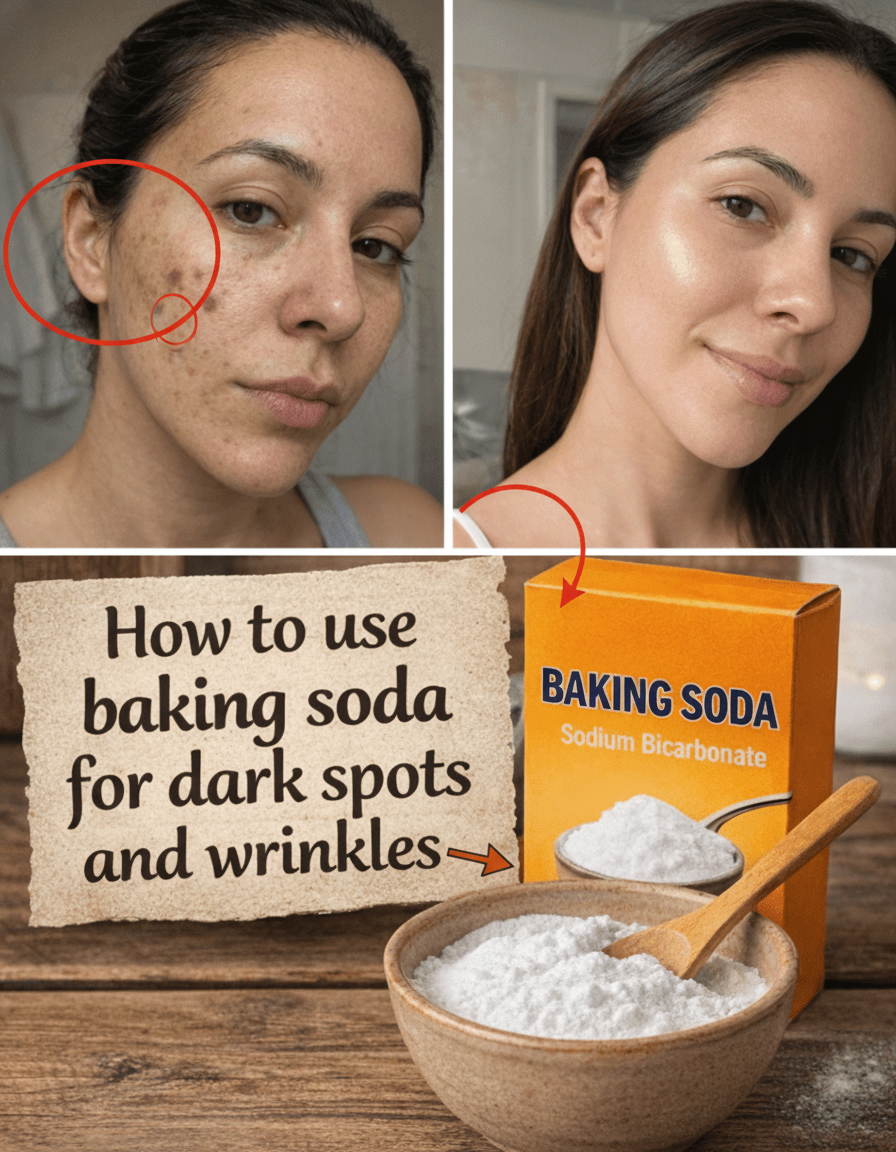
Despite all the hype, let’s get real: baking soda comes with some serious red flags you absolutely need to pay attention to. That alkaline shift isn’t just a gentle nudge; it can seriously mess with your skin’s protective layer way more than you might think. Here’s what you should be genuinely worried about: It may strip natural oils and crank up your pH way too much, leaving your skin feeling dry, tight, and totally miserable later on. Sensitive or dry skin types? You’re practically guaranteed to notice redness, stinging, or even increased sensitivity after just one use. And for those hoping for a miracle, forget it: solid evidence for long-term improvements is practically non-existent, meaning any brightening or smoothing effect is usually short-lived, not a lasting transformation. But wait – this is the crucial part most people gloss over. Overdoing it isn’t just a minor mistake; it can actually weaken your skin barrier over time, making all your other expensive products totally useless. That’s precisely why dermatologists are practically shouting from the rooftops: treat baking soda as a one-off experiment, NOT a daily skincare habit.
If You MUST Try It: A Foolproof Guide to Baking Soda Skincare (The *Right* Way)
Okay, so if you’re still feeling adventurous and absolutely *have* to try this, doing it responsibly is your only shot at avoiding a skincare disaster. These actionable steps are your lifeline to keeping things gentle and under control. Don’t skip a single one: Begin with a patch test : Seriously, this is non-negotiable. Mix one part baking soda with three parts water to whip up a thin paste. Dab a tiny bit behind your ear or on your inner arm. Wait a full 24 hours and check for any nasty reactions before even thinking about your face. Keep frequency low : I’m talking once every one to two weeks, *at most*. Daily application? That’s a direct ticket to irritation and a wrecked skin barrier. Blend with soothing partners : Ditch the plain water! Mix your baking soda with calming options like aloe vera gel, honey, or rose water. This softens the texture and dials down the harshness. Rinse thoroughly and hydrate : After gentle circular motions for no more than a measly 30 seconds, wash it all off completely with lukewarm water. ALWAYS follow immediately with your favorite moisturizer to bring back that much-needed comfort. And that’s not all. Many pros find that adding a drop of facial oil afterward helps lock in hydration even better. The ultimate rule? Listen to your skin – if anything, and I mean *anything*, feels off, stop right away. No exceptions!
Baking Soda vs. The Pros: What’s the Real Showdown?
To help you really get a handle on this, here’s a quick, no-nonsense comparison of baking soda against those gentler, store-bought alternatives that actually know what they’re doing: Aspect Baking Soda Approach Gentle Commercial Ex