 By admin
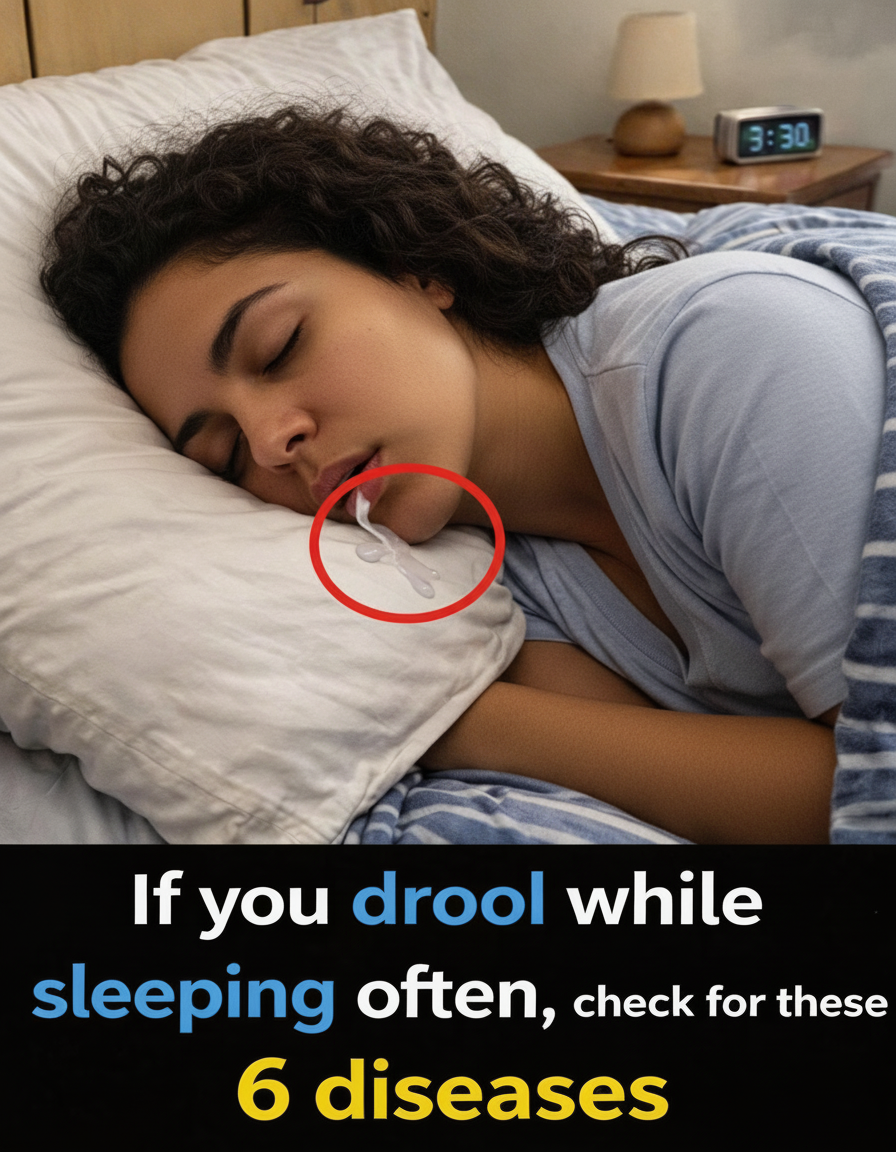
 Drooling While You Sleep? Don’t Just Wipe It Off! 6 Conditions You NEED to Check Out
Ever wake up feeling like a human puddle, your pillow soaked and that gross, wet spot plastered on your cheek? Yeah, we get it. It’s not just embarrassing; it’s straight-up uncomfortable, especially when it’s a nightly ritual. What starts as a minor annoyance can leave you tossing and turning, waking up tired, and even making you self-conscious around your partner. Here’s the raw truth: occasional drooling is normal for many, but when it becomes a regular occurrence, your body might just be screaming a subtle signal that something else is seriously brewing under the surface. That’s why paying attention to this habit matters more than you might think. In the sections ahead, you’ll discover six common conditions that experts link to this excessive nighttime slobber, along with simple steps you can explore right away. Keep reading, because the final tip could quietly transform your sleep starting tonight – no joke!
Why Are You Drooling Like a Faucet Every Night? (It’s Not Just Bad Dreams!)
During deep sleep, your swallowing reflex naturally slows down while your saliva production keeps chugging along at a steady pace. Most of the time, your mouth stays shut, and everything stays neatly in place. But here’s the kicker: when something throws a wrench in your breathing, muscle control, or even digestion, that excess saliva can make a sneaky escape. Sleep experts at the Sleep Foundation point out that this shift often ties directly to everyday factors like your sleep position or, more importantly, persistent issues that demand a closer look. Here’s the good news: understanding the “why” behind this mess puts YOU in control. So, let’s break down the six conditions that research consistently connects to this watery pattern.
1. Sleep Apnea: Is Your Breathing Breaking Bad?
Think drooling is just a messy habit? Think again, especially if you’re battling sleep apnea. This condition involves repeated pauses in breathing during the night, often because your airway collapses or gets blocked. When that happens, many people instinctively switch to mouth breathing just to get enough air. The result? Saliva slips out and soaks the pillow before you even know what hit you. Studies show this is one of the most overlooked signs of the condition. If you also snore loudly enough to wake the dead, wake up gasping for air, or feel absolutely exhausted despite a full night’s rest, the connection becomes clearer than ever. The Cleveland Clinic points out that addressing the breathing issue can bring noticeable relief in many cases – so don’t sleep on this!
2. Gastroesophageal Reflux Disease (GERD): When Stomach Acid Goes Rogue (And Makes You Slobber!)
When stomach acid creeps back up into your esophagus, especially when you’re lying flat, your body goes into overdrive, ramping up saliva production to neutralize the irritation. That extra saliva can easily spill out during sleep, creating the drooling effect many people notice first thing in the morning. GERD often shows up with heartburn or a sour taste in your mouth, but the nighttime version can be a real sneaky devil. Research from multiple sleep studies highlights how that horizontal position makes everything worse, turning a simple digestive quirk into a very visible, very wet symptom. Gross, right?
3. Neurological Disorders: When Your Wires Get Crossed
Conditions that mess with muscle coordination, such as Parkinson’s disease, stroke recovery, cerebral palsy, or ALS, can make it harder for your mouth and throat to manage saliva properly. Even in the early stages, your swallowing reflex may slow just enough for drooling to increase at night. Experts emphasize that this happens because the nerves controlling your facial muscles aren’t signaling as strongly as they should. While the list sounds serious, many people live well with proper support, and noticing the change early on opens the door to crucial conversations with a doctor. Don’t let fear stop you from getting answers!
4. Sinus Infections or Allergies: The Snotty Truth Behind Your Drool
Got a stuffy nose from seasonal allergies, a lingering cold that just won’t quit, or sinus pressure that feels like a vice grip? Then you’re probably forced to breathe through your mouth. Once your lips part, gravity does the rest with any saliva that’s already chilling there. What feels like simple congestion can quietly turn into a nightly drool situation. The Sleep Foundation explains that inflamed sinuses block normal airflow, and the pattern repeats every time allergy season hits or a cold lingers. Clearing those passages often brings quick improvement for many – so get that nose cleared out!
5. Tonsillitis or Throat Infections: A Sore Throat, A Wet Pillow
Swollen tonsils, strep throat, or other throat irritations make swallowing feel like a chore, so your body instinctively holds back. Saliva builds up, and during sleep, it finds the easiest path out – right onto your pillow. Dental issues like abscesses can create the exact same effect. Infections usually come with a sore throat, fever, or swollen glands, but the drooling can appear even before other signs feel obvious. Quick attention to the root cause typically eases everything, so don’t wait for things to get worse!
6. Medication Side Effects: The Pill Problem
Some prescriptions, especially those for neurological conditions, mental health, or even certain pain relievers, can either crank up your saliva flow or relax the muscles that keep your mouth closed. The effect often shows up most clearly at night when you’re already relaxed and not actively swallowing. If you recently started or changed medications, this could be a major culprit, so it’s definitely worth a chat with your doctor.
There you have it! Drooling isn’t just a weird quirk; it’s often your body’s loud and clear warning sign. Don’t ignore it. Take these insights, have those important conversations with your doctor, and reclaim your dry pillow and a truly restful night. Your health is worth it, and a good night’s sleep is non-negotiable!
Curious for more game-changing health tips and insights? Keep exploring dogpjs.com for articles that truly make a difference in your everyday well-being. We’re always here to help you live your healthiest, happiest life!