 By admin
 Listen up, folks! For generations, cassava has been the go-to grub, a daily staple feeding millions across Africa, Asia, and Latin America. It’s cheap, it fills you up, and it’s powered countless meals. But hold on a minute! Lately, doctors and nutrition pros have been whispering – no, scratch that – they’ve been flat-out raising alarms about what this popular root vegetable can do inside your body if you’re not prepping it right. We’re talking hidden compounds that can mess you up, from a mild tummy ache to some seriously nasty problems if you just brush it off. So yeah, a lot of you cassava lovers are probably wondering if your favorite side dish is actually safe. But here’s the real kicker, the part everyone misses: with just a few simple, tried-and-true tricks you can do at home, cassava turns into your best buddy, not a nightmare. And trust me, there’s one processing secret the experts are shouting about that changes everything!
So, What’s the Deal with Cassava, and Why’s Everyone Obsessed?
Alright, let’s get down to brass tacks. Cassava, or its fancy scientific name, Manihot esculenta, is basically a superstar starchy root veggie that first popped up in South America but now thrives like crazy in tropical spots all over the globe. Depending on where you’re chilling, you might call it yuca, manioc, tapioca root, or even mandioca. This bad boy is super versatile – you can boil it, fry it, mash it, or grind it into flour for killer breads, chips, and yeah, even those trendy gluten-free desserts. Those chewy tapioca pearls swirling in your bubble tea or puddings? Straight outta cassava, baby! Studies prove that in tons of developing areas, cassava’s practically carrying communities, providing up to half their daily calories because it’s a breeze to grow, keeps forever, and costs next to nothing. But here’s where the plot thickens: this very same plant that’s feeding millions also packs some natural compounds that absolutely demand careful handling before they land on your dinner plate.
Doctors Drop a Bombshell: Cassava’s Got Hidden Toxins!
And wait, there’s more to this story. Medical pros are screaming it from the rooftops: raw or fresh cassava is loaded with something called cyanogenic glycosides. Yeah, those are the sneaky substances that can actually unleash tiny doses of cyanide when you damage the root, cut it up, or – God forbid – eat it uncooked. Sounds like something out of a thriller movie, right? But here’s the deal: millions of people chow down on cassava every single day without a hitch. The absolute key, the game-changer, is all in how you prep it. When you peel it, soak it, ferment it, dry it, or just cook the living daylights out of it, these nasty compounds get busted down and become totally harmless. Nutrition gurus are dead serious: you only run into trouble when you cut corners, like munching on it raw or half-cooked. Do it right, and this everyday root transforms into a safe, energy-packed powerhouse. Ignore the warnings, and you’re playing with fire.
Brace Yourself: What Happens When You Screw Up Cassava Prep
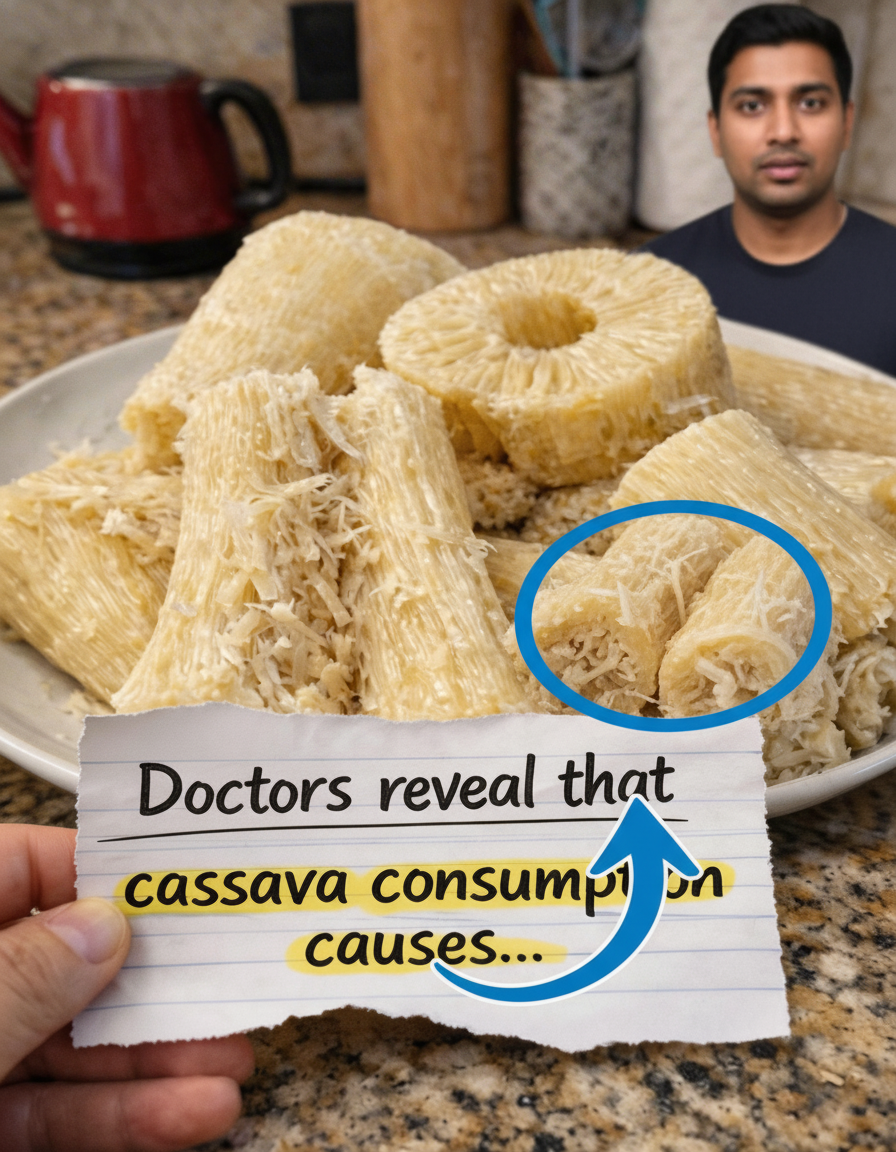
Okay, this next bit is gonna hit most home cooks like a ton of bricks. When you don’t handle your cassava properly, those lingering compounds aren’t just chilling – they’re busy causing some seriously noticeable problems that scientists have been digging into for decades. Pay attention, because your health could be on the line.
- Cyanide Exposure and Related Symptoms Chew on this: eating raw or half-assed processed cassava can blast your body with higher levels of cyanide. And trust me, you’ll know it. Common warning signs include:
- Headaches that feel like a drum solo in your brain
- Dizziness that makes the room spin
- Nausea or vomiting – a real gut punch
- Rapid breathing, like you just ran a marathon
- General weakness that saps all your energy
These nasty symptoms usually hit fast and hard, screaming at you to STOP and get that root cooked right next time. While full-blown severe cases are thankfully rare in typical home kitchens, they’ve absolutely been documented in medical journals when folks go all-in on huge amounts of improperly processed cassava. Don’t be that person.
- Thyroid Function Concerns Here’s another red flag doctors are keeping a sharp eye on: your thyroid gland. Turns out, some compounds in cassava can mess with how your body uses iodine, which is super critical for a healthy thyroid. Research from places where cassava is king and iodine intake is already low has actually linked heavy consumption of poorly processed cassava to a higher risk of goiter – that’s a swollen thyroid, not pretty. But here’s the silver lining, the good news you’ve been waiting for: cooking it thoroughly slashes this interference big time. And throwing in some iodine-rich foods like seafood or fortified salt? That helps balance everything right out.
- Neurological Effects in Rare Situations Now, for the truly extreme stuff. In dire situations of food scarcity and severe malnutrition, relying long-term on badly processed cassava has been tied to a terrifying condition called konzo. This brain-zapping neurological problem pops up in very specific tropical zones where diets are super limited and protein is non-existent. But listen up, experts are crystal clear: konzo is practically unheard of in balanced diets where cassava is just one part of a varied meal. So for most families whipping up normal portions at home, this risk is thankfully in the “don’t even sweat it” category – extremely, extremely low.
The Payoff: Cassava’s Nutritional Gold Mine (When You Play By The Rules)
Okay, so we’ve talked about the scary bits. But don’t go tossing your cassava just yet! Despite all those warnings, this root absolutely deserves a spot on your plate, and for some seriously good reasons. Science is shouting about several awesome advantages that make it totally worth keeping in your meal rotation:
It’s a powerhouse for quick, sustained energy, all thanks to its killer carb content. Think of it as fuel that keeps you going, no jitters, just pure sustained power.
So there you have it, the real talk on cassava. Don’t let the warnings scare you off; just get smart about how you prepare it. It’s a fantastic food when handled with respect. Want to dig deeper into more health secrets and food facts that could change your life? Stick around! There’s a whole lot more wisdom waiting for you right here on dogpjs.com. Keep learning, keep living healthy!