 By admin
 Hold Up, Ramen Junkie! This ONE Brutal Truth About Your Instant Noodles Will Make You Reconsider, According to Science!
If you’re like millions of folks who’ve got a secret stash of instant ramen noodles tucked away in the pantry for those ‘can’t-be-bothered-to-cook’ moments, then you already know the drill. They’re cheap, they’re ready in minutes, and let’s be real, they hit the spot after a killer day. But here’s the kicker: what feels like a harmless, quick fix might actually be doing a whole lot more damage than you realize, especially when it becomes your go-to grub. Respected journals aren’t just whispering; they’re practically shouting about the consistent links between frequent instant ramen consumption and some serious red flags in your health. And get this – one factor keeps popping up in multiple massive studies, loud and clear. Understanding it could completely flip how you look at your next bowl. So, don’t bail now, because by the time you’re done reading, I’m gonna spill the beans on that exact reason, and even dish out some easy, real-world ways to keep the convenience you crave without the same gnawing worries.
What Studies Actually Reveal About Ramen Noodles
Alright, you’ve probably scrolled past a few clickbait headlines screaming about instant noodles, but trust me, the real data goes way deeper than that noise. Brace yourself: a monumental study involving over 10,000 adults in South Korea – yeah, one of the biggest ramen-munching nations on Earth – dropped a bombshell. Women who scarfed down instant noodles at least twice a week were a whopping 68% more likely to develop a nasty cluster of risk factors known as metabolic syndrome. And no, researchers didn’t just ignore their overall diet or how much they moved; this pattern held strong. The plot thickened with similar findings in a 2017 analysis of college students in Seoul, where more frequent ramen intake was tied to higher triglyceride levels, elevated diastolic blood pressure, and jacked-up fasting blood glucose. And just when you thought it couldn’t get worse, recent research from Japan, tracking thousands over years, added another layer: men under 70 who slurped ramen three or more times weekly showed an increased mortality risk, especially if they chugged the broth. This isn’t just a couple of isolated incidents, people. Across all these studies, the connection persisted, no matter if folks were otherwise trying to eat healthy. The crucial takeaway? It’s not about an occasional treat. It’s the cumulative, creeping effect when ramen becomes your weekly ritual. But hold on, we’re not done yet. Let’s peel back the curtain and see why this is happening.
The Single Biggest Reason Researchers Keep Highlighting
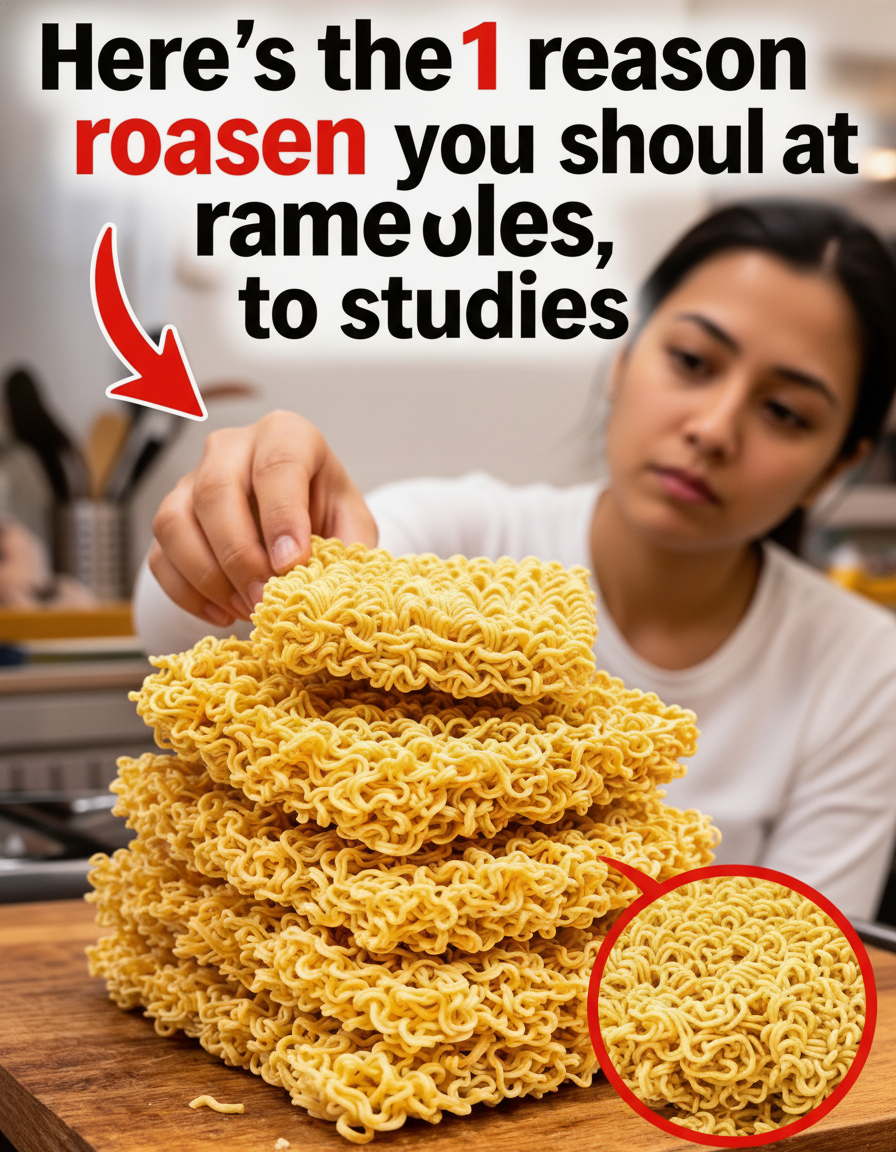
If you had to point a finger at just one culprit, one factor that screams out in every major study, it’s the absolutely criminal amount of sodium jammed into both the noodles and that tiny seasoning packet. We’re talking about a single serving packing a gut-punch of 1,700–2,500 milligrams or more – often 70–100% of what most health organizations say you should have for your *entire day*. And if you’re one of those who sips down that broth (be honest, most of us do!), that number rockets even higher. Why is this such a huge deal? Excess sodium isn’t just messing with your blood pressure in isolation. Research shows it can totally throw off your fluid balance, stiffen up your arteries, and screw with how your body handles sugar and fats over time. Oh, and those noodles themselves? They’re deep-fried during manufacturing, which means extra saturated fat and a dense, calorie-packed block that your body digests at lightning speed. Throw in minimal fiber or protein in most standard packs, and what do you get? A meal that gives you a quick energy burst, sure, but then leaves your body working overtime just trying to get back to normal. Studies are calling this a ‘perfect storm’ for those gradual, silent shifts in your metabolic markers – exactly what those Harvard-linked Korean studies and the Seoul college student data were screaming about. And here’s the truly sneaky part: sodium hides in plain sight. That flashy packaging and those bold, delicious flavors are a masterclass in distraction, making you forget that one innocent-looking bowl can quietly push your daily salt intake way past the danger zone. And because ramen is so damn convenient, it’s dangerously easy for it to become your default choice several times a week without you even noticing the pattern.
Other Factors That Amplify the Effect
While sodium is definitely the main villain of this story, a few other supporting characters deserve a shout-out because they consistently pop up in the research:
- Low nutrient density — Think about it: regular ramen eaters, according to one massive Korean analysis, were consistently missing out on crucial stuff like protein, calcium, iron, vitamin C, and a bunch of B vitamins compared to their peers who ate ramen less often. It’s like eating empty calories.
- Rapid digestion — Thanks to refined flour and that deep-frying process, these noodles create a high-glycemic response. Some studies link this quick blood sugar spike and crash to some serious fluctuations when you keep repeating it. Your body’s rollercoaster of sugar highs and lows? Not good.
- Additives like TBHQ — This common preservative keeps your ramen fresh on the shelf, and while regulatory bodies generally consider typical amounts safe for humans, animal studies have poked at its potential effects at very, very high doses. Something to keep an eye on, even if the jury’s still out for us.
Now, none of this is about slapping a ‘forbidden’ label on ramen. That’s not the vibe. These points simply explain *why* the studies are showing what they’re showing. It’s about understanding the full picture, so you can make smarter choices. Your health is your wealth, and knowing what you’re putting into your body is the first step to protecting it.
So, the next time you’re eyeing that instant ramen packet, remember the brutal truth: it’s not just a quick meal, it’s a metabolic gamble if it becomes a regular thing. But don’t despair! Armed with this knowledge, you can still enjoy your comfort food wisely. For more cutting-edge health insights and tips to live your best life, keep exploring dogpjs.com. We’ve got plenty more wisdom waiting for you!