 By admin
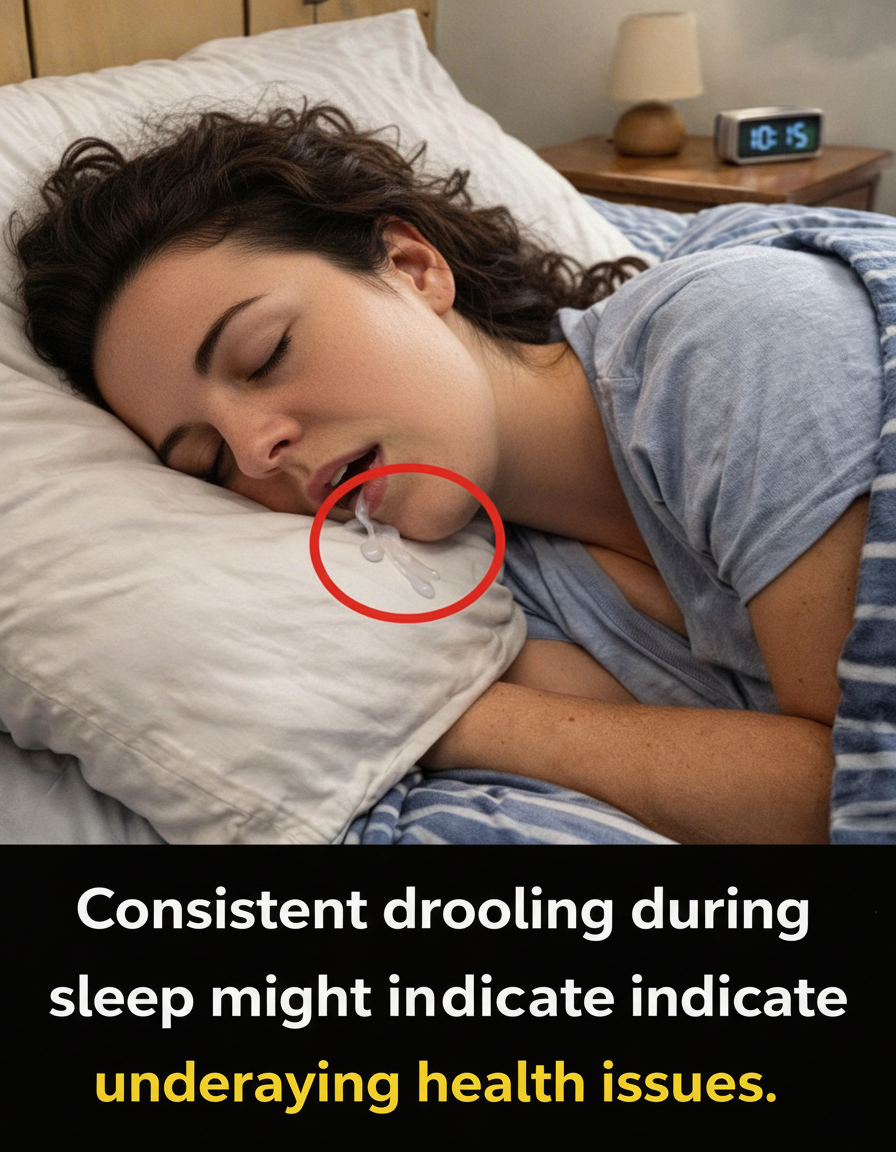
 Let’s be real, nobody wants to wake up looking like they just swam a marathon with their mouth open. That familiar soggy pillow and the wet spot on your cheek? Yeah, it’s embarrassing and straight-up uncomfortable, especially when it’s a nightly ritual. What starts as a minor annoyance can quickly turn into a full-blown nightmare, leaving you tossing and turning, waking up utterly exhausted, and even stressing about what your partner thinks.
Now, an occasional drool-fest is normal for many, no biggie. But when that dribble becomes a frequent deluge? Nah, your body’s not just being quirky; it’s practically screaming at you that something deeper is brewing beneath the surface. That’s why ignoring this habit is a huge mistake – it matters more than you might think.
Stick with us, because in the sections ahead, we’re about to lay out the cold, hard truth on six common conditions that experts link directly to excessive nighttime drooling. Plus, we’ll hit you with some simple steps you can explore right away. Keep reading, because the final tip? It might just flip your whole sleep game on its head tonight.
Why Nighttime Drooling Happens More Often Than You Think
Here’s the deal: when you’re in deep sleep, your swallowing reflex naturally slows down, but your saliva production keeps chugging along steady. Most of the time, your trap stays shut, and everything stays put. But when something decides to screw with your breathing, muscle control, or even your digestion, that saliva finds an easier escape route.
Sleep experts over at the Sleep Foundation aren’t messing around when they say this shift often ties directly to everyday factors like your sleep position, or more stubborn issues that demand a serious look. The good news? Once you know why your mouth is staging a nightly escape, you’re the boss. Let’s get down to business and expose these six culprits that research consistently connects to this messy pattern.
1. Sleep Apnea
Alright, listen up. Sleep apnea isn’t just a fancy term; it’s when your breathing repeatedly stops and starts during the night, usually because your airway collapses or gets totally blocked. When that happens, your body panics, and many people instinctively switch to mouth breathing just to get enough air. The result? Saliva slips out and soaks the pillow before you even realize what hit you. Studies show this is one of the most overlooked signs of this serious condition.
If you also snore loud enough to shake the house, wake up gasping for air, or feel absolutely wiped out despite a full night’s supposed rest, the connection becomes crystal clear. The Cleveland Clinic points out that tackling the breathing issue head-on can bring noticeable relief in a ton of cases. Don’t sleep on this!
2. Gastroesophageal Reflux Disease (GERD)
Ever feel like your stomach acid is trying to stage a breakout? Well, when that nasty stuff creeps back up into your esophagus, especially when you’re lying flat, your body goes into emergency mode. It ramps up saliva production like crazy to try and neutralize the irritation. That extra saliva? It’s just looking for the easiest way out during sleep, creating that drooling effect many people notice first thing in the morning.
GERD often announces itself with heartburn or a sour taste, but the nighttime version can be a sneaky little devil. Research from multiple sleep studies highlights how your horizontal position makes everything worse, transforming a simple digestive quirk into a very visible, very messy symptom.
3. Neurological Disorders
This one sounds heavy, we know. Conditions that mess with muscle coordination—like Parkinson’s disease, recovering from a stroke, cerebral palsy, or ALS—can make it a real struggle for your mouth and throat to manage saliva properly. Even in the early stages, that swallowing reflex might slow down just enough for drooling to become a noticeable problem at night.
Experts emphasize that this happens because the nerves controlling your facial muscles aren’t signaling as strongly as they should be. While the list itself sounds serious, many people live well with proper support, and noticing the change early opens the door to crucial conversations with your doctor. Don’t delay, get it checked!
4. Sinus Infections or Allergies
Ah, the classic ‘can’t breathe through my nose’ dilemma. You know the drill: a stuffy nose from seasonal allergies, a lingering cold, or relentless sinus pressure forces you to breathe through your mouth. Once your lips part, gravity takes over with any saliva that’s already chilling in there. What feels like simple congestion can quietly turn into a nightly drool situation, making you feel like a newborn.
The Sleep Foundation explains it simply: inflamed sinuses block normal airflow, and the whole messy pattern repeats every time allergy season hits or a cold decides to overstay its welcome. Clearing those passages often brings quick, blissful improvement for many. Get those airways open!
5. Tonsillitis or Throat Infections
Imagine trying to swallow when your throat feels like sandpaper. Swollen tonsils, strep throat, or any other throat irritation makes swallowing incredibly uncomfortable, so your body instinctively holds back. Saliva builds up, and during sleep, it finds the easiest, messiest path out. Even dental issues like abscesses can create the exact same effect.
Infections usually come with a sore throat, fever, or swollen glands, but the drooling can appear even before other signs feel obvious. So, if you’re waking up wet and your throat feels off, pay attention! Quick attention to the root cause typically eases everything and gets you back to dry, peaceful sleep.
6. Medication Side Effects
Hold up! Before you panic, let’s talk about something often overlooked: your meds. Certain prescriptions, especially those for neurological conditions, mental health, or even some common pain relievers, can actually increase your saliva flow or relax the very muscles that are supposed to keep your mouth shut. The effect often shows up most clearly at night when you’re already relaxed and not actively swallowing.
If you’ve recently started or changed medication and suddenly find yourself waking up in a puddle, don’t just brush it off. It’s time to have a chat with your doctor or pharmacist. They might be able to adjust your dosage or suggest an alternative to keep your pillow dry.
So, there you have it. Don’t let a soggy pillow be your normal. Your body is talking, and it’s time to listen! Take charge of your health and your sleep. If you found this information helpful, be sure to check out our other articles on healthy living and wellness right here on dogpjs.com. Sweet dreams (and dry ones!) await!