 By admin
 Listen up, folks! In this crazy, non-stop world, it’s no shocker that ‘Netflix and chill’ often turns into just ‘Netflix’ for many couples. Work grinding you down? Kids running wild? Just plain stressed out? Boom – your intimate life takes a backseat, and suddenly, the sheets are colder than a polar bear’s toenails. You’re probably sitting there, secretly freaking out, wondering what this means for your body, your connection, and if things will ever feel ‘normal’ again. Nobody talks about this stuff openly, right? But here’s the kicker: science says these ‘dry spells’ are WAY more common – and way less catastrophic – than you think. Your body’s a clever little beast, adapting in ways that’ll blow your mind and are totally manageable. But hold onto your hats, because the real shocker is how simple daily moves can actually keep your engine purring and your bond strong, even when the action slows down.
Let’s Get Real: Why Your Bedroom Goes Quiet More Than You’d Admit
Face it: Life’s a chaotic mess, and it loves to throw wrenches into even the hottest relationships. New baby screaming? Boss piling on the work? Or maybe your mojo’s just taking a natural vacation? Guess what? Going without sexual activity for a bit? Totally, utterly normal. And if you’ve heard those crazy online whispers about your body ‘shutting down’ or brewing up toxic goo, listen up: Medical News Today and other legit sources are here to drop some truth bombs. Months – even longer – without intimacy won’t wreck your overall health for most grown-ups. Your body’s a beast, incredibly tough, and it doesn’t just crumble. Sure, regular sexual activity has its awesome perks, but its absence isn’t a five-alarm health crisis. Instead, your internal system quietly re-tunes itself – hormone levels shift, muscle tone adjusts, even your mood finds a new rhythm. This isn’t a bug, it’s a feature! So ditch the panic, and let’s just understand what’s really going on with your body’s reaction.
Ladies, Listen Up: What Happens Down There When Things Go Quiet
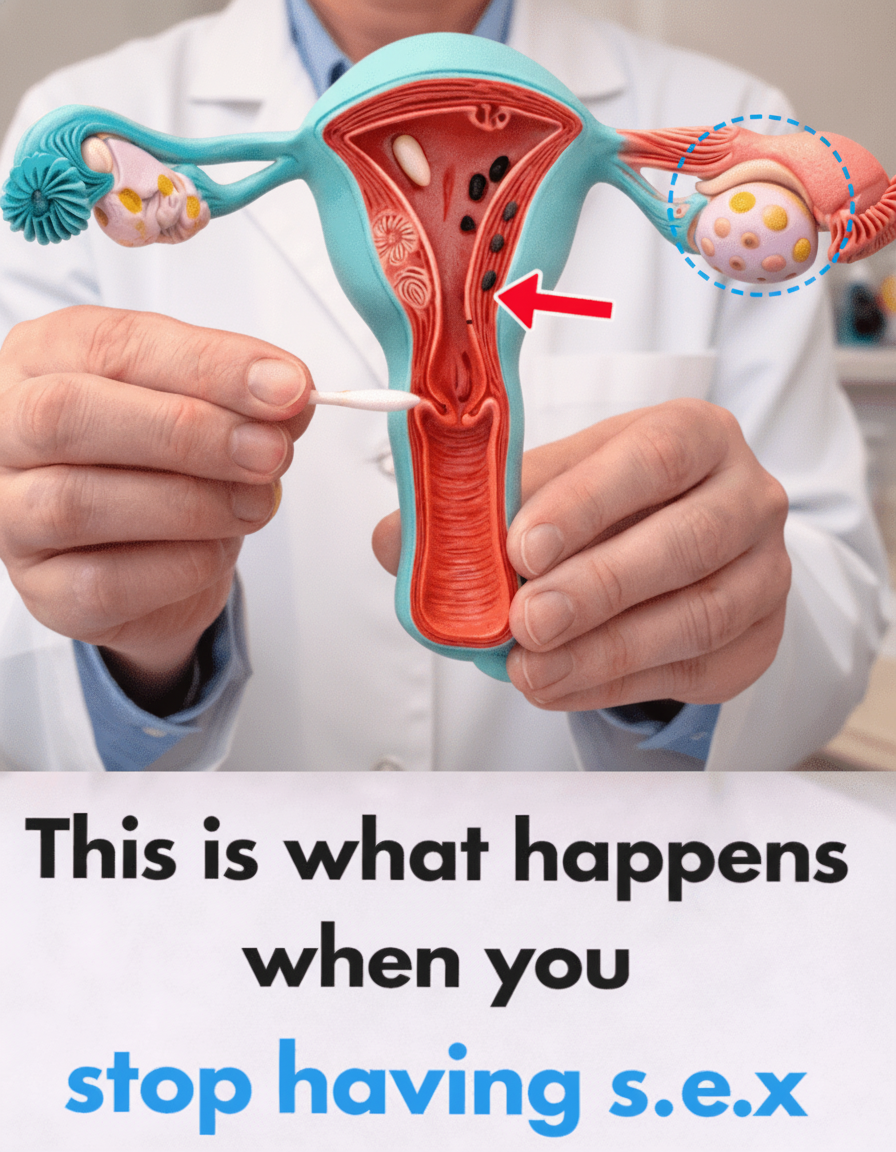
- The Juices Might Slow Down. Let’s be blunt: if there’s no regular intimate activity, your lady bits might not be churning out as much natural lubrication. This isn’t just about feeling ‘dry’; it’s about your vaginal tissues getting a little less active. And if you’re hitting perimenopause or menopause, where estrogen’s already doing a disappearing act, this can become even more noticeable.
- Things Can Get a Bit Less ‘Stretchy.’ Think of it like this: muscles and tissues need a workout. Women’s health gurus confirm that prolonged inactivity can make your vaginal walls a tad less flexible, especially post-menopause. It’s that classic “use it or lose it” scenario, but don’t panic – it’s more about comfort than any permanent issue with tissue elasticity.
- Your Pelvic Floor Might Slack Off a Bit. These are the unsung heroes supporting your bladder and uterus. If they’re not getting their regular “exercise” through sexual activity, your pelvic floor muscles can get a little weaker. That might mean an annoying little leak when you laugh or hit the gym later on. BUT – and this is key – these changes are usually slow-burn, and you can absolutely get things back in shape with some gentle TLC. Many women in their 30s and 40s barely even notice a difference at all, so take a breath!
Red Flags to Watch For (But Seriously, Don’t Freak Out):
- Mild dryness during daily activities
- A subtle shift in how your body feels during arousal
- Occasional discomfort that improves with simple moisturizers
Gents, Your Turn: What Happens When Your Engine’s Idling
- The Mighty Tower Might Get a Bit Wobbly. Let’s be real, guys. If you’re going on a long ‘vacation’ from intimacy, you might find your erectile function isn’t quite as reliable when you try to get back in the game. Think of it like a muscle: regular blood flow to the area keeps tissues healthy. So, pauses can temporarily mess with responsiveness and maintaining erections.
- Your Prostate’s Preferences. Here’s a juicy bit of info: some big studies hint that more frequent ejaculation (whether solo or with a partner) might actually lower your lifetime risk of prostate concerns. Now, it’s not a hard-and-fast rule, but it’s definitely why many doctors encourage staying sexually active in whatever way feels right for prostate health.
- Testosterone: Mostly Chill. Good news on this front! Your testosterone levels usually stay pretty steady. In fact, short breaks may even give them a tiny boost. Even super long dry spells often show minimal lasting impact for most fellas. And here’s the best part: these shifts are not signs of permanent decline. Most men bounce back to their old selves pretty darn quick once the intimacy engine fires up again.
Beyond the Bedroom: The Emotional Rollercoaster and Relationship Shake-Up
Hold up, because the physical stuff? That’s just one piece of the puzzle. The real gut punch often comes from the emotional side, hitting you and your partner right in your daily grind. When those sweet, bonding hormones like oxytocin aren’t flowing regularly, you might start feeling a weird, gentle emotional distance creeping in. Like you’re living with a stranger. And guess what? Your stress levels can actually shoot up, because sex is a natural, kick-ass cortisol-buster – that’s your body’s main stress hormone, btw. This is where your relationships themselves take center stage. We’re talking about couples straight-up admitting they feel more like roommates than lovers after a long spell without intimacy. That emotional chasm can feel way worse than any physical little hiccup.
There you have it – the no-holds-barred truth about what happens when your intimate life takes a break. It’s not the end of the world, but understanding these changes is your first step to feeling more connected and confident. Want more straight talk and science-backed insights? Dive into our other articles on healthy relationships and well-being right here on dogpjs.com. Keep exploring, stay informed, and always remember: your body’