 By admin
 Cough Up a Nasty Lump After Sneezing? Unmasking Tonsil Stones & Why Your Breath Might Stink!
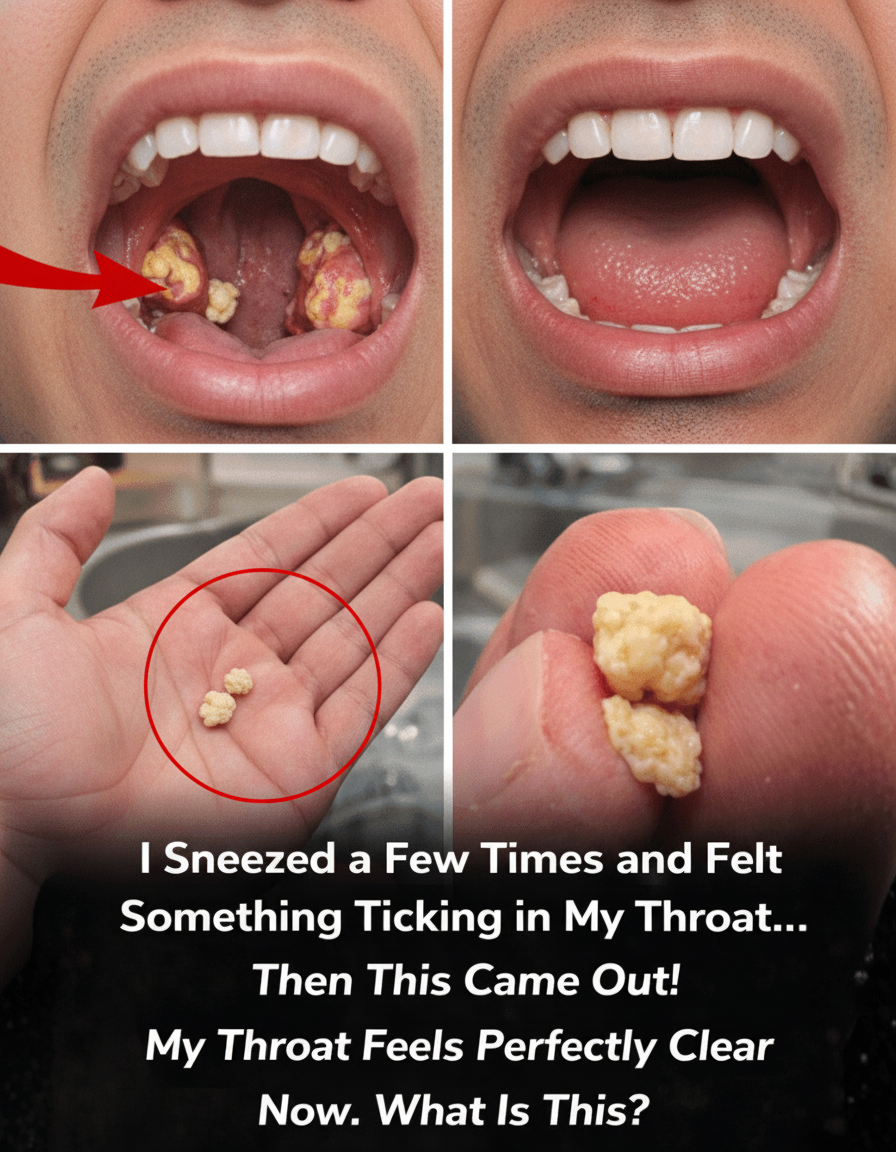
Picture this, hotshot: You’re just cruising through your day, minding your own business, when BAM! A sudden sneeze hits. And then, you feel something seriously weird – a tickle, a shift, something dislodging in your throat. Next thing you know, out pops this small, yellowish, bumpy little chunk, leaving your throat feeling surprisingly clear. Don’t front, you’ve probably been there, staring at it like, “What the heck just came out of me?!” Many folks experience this exact moment of surprise and total confusion, wondering if some serious medical drama just unfolded in their mouth. Well, that strange little object? It’s often a tonsil stone – a super common buildup that forms right there in the back of your throat. But here’s the real tea: understanding *why* this grossness happens and adopting some simple daily habits for better throat comfort can make a world of difference. And trust us, there’s one unexpected connection most people totally miss that we’re about to spill toward the end!
What Exactly Are Tonsil Stones?
Tonsil stones, officially known as tonsilloliths, are these small, hard formations that decide to set up shop in the nooks and crannies of your tonsils. Your tonsils? Those soft tissue pads hanging out at the back of your throat, acting like bouncers to trap germs. They’ve got these natural folds and pockets, called crypts, which are basically prime real estate for bits of food, dead cells, mucus, and all sorts of bacteria to get trapped. Over time, this trapped gunk gets hardcore, calcifying with minerals like calcium from your saliva, turning into those gnarly, pebble-like lumps you see. They usually show up white, yellow, or even slightly off-white, and can range from tiny specks you barely notice to larger pieces the size of a grain of rice or a small pea. And guess what? Research from big names like the Cleveland Clinic confirms these bad boys are super common, with studies suggesting up to 40% of people might get them at some point, even if many never even realize it.
Why Do Tonsil Stones Form in the First Place?
The main trigger for these unwelcome guests? Debris getting stuck in those tonsil crypts instead of being naturally flushed away by swallowing or your saliva flow. A few factors make this even more likely to happen:
- Deep or irregular tonsil crypts — Some lucky folks just naturally have more pocket-like tonsils, making them perfect hideouts.
- Frequent throat irritation — Been battling tonsillitis or chronic inflammation? That can create even more crevices for junk to settle.
- Poor oral hygiene habits — Skimping on brushing or forgetting to clean your tongue? You’re basically rolling out the red carpet for more buildup.
- Dry mouth — Less saliva flow means less natural flushing, letting things linger and harden.
But wait, there’s more… the bacteria involved in this whole mess produce a seriously strong odor as they break down all that trapped material. And *that*, my friend, explains one of the most noticeable and embarrassing side effects!
Common Signs You Might Have Tonsil Stones
Truth bomb: a lot of tonsil stones are totally silent assassins, causing zero symptoms and just dislodging on their own, like in that sneeze scenario we talked about. But when they do decide to make a grand entrance, here’s what you might experience:
- Persistent bad breath (halitosis) that’s so foul, even your toothbrush is crying uncle.
- That annoying feeling of something stuck in your throat, like a constant irritant.
- A mild sore throat or general irritation that just won’t quit.
- Occasional ear pain – yep, thanks to shared nerve pathways, your ear might feel the pinch too.
- A nasty taste in your mouth that no amount of mouthwash seems to fix.
- Visible white or yellow spots chilling on your tonsils if you dare to take a peek.
If you’ve ever coughed or sneezed and felt instant, glorious relief after something popped out, chances are that was a tonsil stone making its natural exit. Ah, sweet freedom!
Safe Ways to Manage Tonsil Stones at Home
Alright, good news! Most tonsil stones are harmless and can be dealt with using some gentle, everyday moves. Here’s a step-by-step rundown of practical habits many people swear by:
- Gargle with warm salt water — Mix 1/2 teaspoon of salt in 8 ounces of warm water. Swish that stuff like your life depends on it for 20-30 seconds after meals or whenever you feel that irritation. This helps loosen debris and soothe the whole area.
- Stay hydrated — Chug plenty of water throughout the day to keep that saliva flowing strong and kick dry mouth to the curb.
- Brush and floss regularly — Don’t just hit your teeth! Pay extra attention to the back of your tongue with a soft toothbrush or tongue scraper to banish those bacteria.
- Use a water flosser gently — On a low setting, aim it at your tonsils to gently flush out those pockets without forcing anything deeper.
Important note: Seriously, put down the sharp objects! Avoid using toothpicks or your fingers to poke at these stones. You could cause injury or, even worse, push the material deeper into your tonsils. Studies and health experts, including those from Mayo Clinic resources, are crystal clear: consistent oral care routines are your best bet for overall throat comfort and can significantly reduce how often these pesky formations appear.
Prevention Tips to Keep Your Throat Feeling Fresher
Building small, consistent habits can make a noticeable difference in the long run. Try weaving these into your daily grind to keep your throat feeling on point:
- Brush twice daily and floss once — And for the love of fresh breath, include your tongue to slash that bacterial load.
- Gargle after eating — Especially after dairy or sugary foods, which are notorious for contributing to buildup.
- Chew sugar-free gum — This is a simple hack to naturally stimulate saliva production and keep things moving.
- Avoid mouth breathing if possible — It’s a fast track to a dry throat, which is exactly what tonsil stones love.
- See your dentist regularly — They’re not just for cavities! They can spot early signs and offer advice to keep your oral health in check.
So there you have it – the lowdown on those mysterious lumps! Don’t let tonsil stones catch you off guard again. By understanding what they are and adopting these simple habits, you can keep your throat feeling fresh and your breath on point. Got questions or want to dive deeper into other health topics? Explore more of our expert guides and tips right here on our site. Your journey to better health starts now!