 By admin
 In this crazy, health-obsessed world we live in, everyone’s scrambling for the next big thing – some natural food that’ll apparently fix everything and jazz up their meals. You’re constantly bombarded with exotic fruit claims promising miracles, making it damn hard to figure out what’s legit and what’s just another overhyped trend. Enter Soursop, with its wild, spiky shell and creamy, dreamy inside, it’s grabbed eyeballs from wellness fanatics everywhere. But here’s the kicker: to truly get its worth, you gotta look past the flashy headlines. And trust me, what you’re about to uncover might just blow your mind, especially when we separate the juicy gossip from what the cold, hard science actually backs. Stick around, because we’ve got some straight-up advice at the end to help you enjoy it the right way.
Soursop: What the Heck Is It and Where Does This Spiky Wonder Come From?
Alright, let’s get down to brass tacks. Soursop, scientifically known as Annona muricata, is one fascinating tropical fruit. You might hear it called graviola or guanabana, too – it’s got aliases! Originally a native of Central and South America, this bad boy has spread its roots across tropical and subtropical zones globally, including our friends in Southeast Asia. Its look? Totally unique. We’re talking an oval shape, dark green skin absolutely covered in soft, hook-like spines. Slice it open, and boom – creamy white flesh packed with a bunch of big, black seeds. Most folks say it tastes like a wild party of pineapple, strawberry, and banana, all with a subtle, zesty kick. But hold up, this fruit isn’t just a pretty face or a tasty treat. It’s got a deep history, revered in various cultures not just as grub, but for its traditional uses. And get this: its street cred has only exploded with the surging interest in plant-based wellness. Talk about a comeback kid!
Soursop’s Nutritional Punch: Why It’s Not Just Another Pretty Fruit
Just one cup of fresh soursop packs a serious nutritional wallop without drowning you in calories. Here’s the lowdown on what makes this fruit a heavyweight contender:
- Vitamin C: We’re talking a significant dose here, crucial for keeping your immune system firing on all cylinders and giving you that antioxidant shield.
- Dietary Fiber: Roughly 7 grams per serving! That’s a game-changer for keeping your digestion smooth and your energy levels steady, no crash-and-burn here.
- Potassium: Essential for keeping your blood pressure in check, especially when you’re rocking a balanced diet.
- Other Nutrients: It’s also got a respectable lineup of magnesium, copper, and B vitamins, rounding out its impressive profile.
Beyond the basics, soursop also brings a secret weapon to the table: natural plant compounds like flavonoids and polyphenols. These are the antioxidants everyone’s buzzing about, and frankly, they’re why so many people are hooked. Now, here’s where it gets really interesting: these are the very compounds researchers are dissecting in labs, trying to unlock their full potential. The honest truth? Tossing nutrient-packed fruits like soursop into your diet is a damn delicious way to ramp up your vitamin and fiber intake. But just like anything else, it’s best enjoyed as part of a diverse eating plan – don’t go putting all your eggs in one soursop basket!
Old School Wisdom: Soursop’s Roots in Traditional Remedies and Everyday Life
For centuries, folks in tropical lands weren’t just eating soursop; they were living with it. The fruit often got blended into refreshing juices, thick smoothies, or decadent desserts. And in some spots, they’d even dry the leaves to brew a herbal tea, sipping it for its calming vibes. These age-old customs truly show how much this fruit was cherished, not just for its unique taste, but for its general role in bringing daily comfort. But hold up – it’s absolutely crucial to look at these traditional uses through a modern lens. While ancestral knowledge gives us a rich cultural backdrop, it doesn’t, and can’t, replace hard scientific evidence when it comes to specific health claims. And let me tell you something vital: while these traditions are fascinating, how we use soursop today should always put safety and sheer enjoyment first. Don’t get carried away!
Science vs. Hype: What the Labs REALLY Say About Soursop
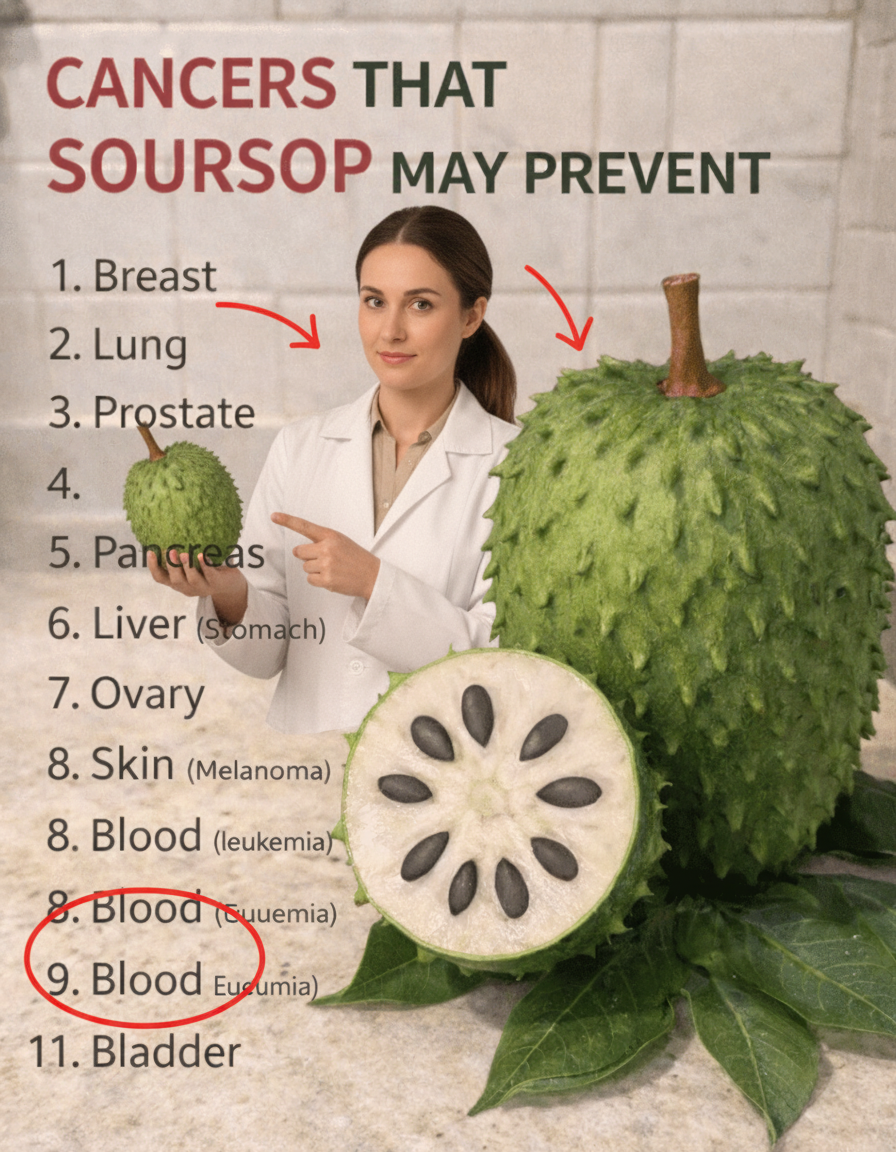
The whole frenzy around soursop largely boils down to its powerful bioactive compounds, especially those notorious acetogenins. Lab studies and some animal research have been digging deep, examining how these substances act in controlled environments. Yeah, some studies have hinted at effects on cell processes and oxidative stress in test tubes. This has definitely sparked some chatter in scientific circles about potential avenues for future investigation. However, and this is the ABSOLUTELY CRUCIAL part that a ton of online articles conveniently gloss over: there is currently ZERO strong evidence from human clinical trials to back up claims of specific therapeutic effects for ANY conditions in people. Leading health organizations and research centers are crystal clear: soursop is NOT proven to treat or prevent any disease in humans. The research, my friends, is still in its infancy. But that doesn’t mean the fa
Thanks for digging into the real story behind soursop! We hope this no-nonsense guide helps you make smarter choices. Want to uncover more hidden gems and bust more myths? Head over to our site for more expert insights and honest reviews. Your health journey deserves the truth!