 By admin
 Cervical Cancer Symptoms You Absolutely CANNOT Afford to Ignore!
Listen up, ladies! You’re busy, you’re hustling, but are you really listening to your body? Because while you’re out there conquering the world, subtle shifts could be screaming for your attention, signaling something way more serious. Cervical cancer often sneaks up quietly in its early stages, with symptoms so easy to brush off—like, “Oh, it’s just stress,” or “Must be an infection,” or “Damn hormones again!” This casual dismissal? It’s a dangerous game, allowing the condition to dig its heels in deeper than it ever should. But here’s the good news, a real game-changer: staying clued-in on these common cervical cancer signs and making regular check-ups a non-negotiable priority can arm you with the power to fight back. And for a jaw-dropping twist: there’s one ridiculously simple habit many women totally overlook that could be your secret weapon for early detection. Keep reading, because you’re about to find out what it is and how it fits into your everyday defense strategy!
What Is Cervical Cancer?
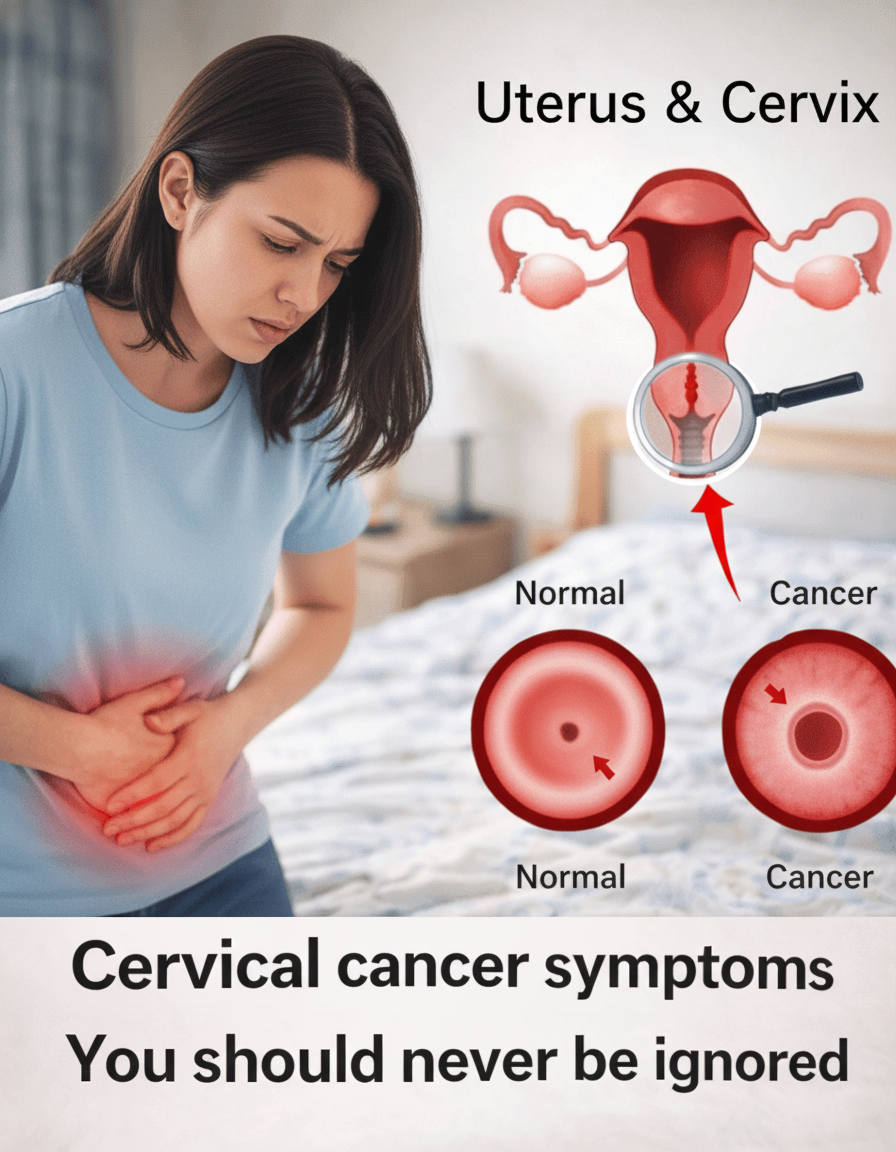
Alright, let’s get real about what we’re dealing with. Cervical cancer kicks off in the cells lining your cervix—that’s the lower part of your uterus, the connection point to your vagina. It’s not a sudden ambush; this beast typically takes years to develop, and more often than not, it’s a nasty, long-term party guest: certain high-risk types of human papillomavirus (HPV). Yeah, that super common virus spread through intimate contact. Here’s the kicker: in the beginning, most women feel absolutely normal, like nothing’s even happening. That’s why those crucial cervical cancer symptoms might not even show their face until things are further along. Research shouts it loud and clear: persistent HPV infection is the main culprit in the majority of cases. But don’t freak out just yet—not every infection turns into cancer; your body’s immune system is a powerhouse, often clearing most HPV naturally within a couple of years. Still, better safe than sorry, right?
Why Early Awareness Matters
Look, we’re living in an age where cervical cancer is highly preventable. Yet, it’s a damn shame that too many cases are still caught at advanced stages. Why? Because those initial cervical cancer signs are often so mild, so easy to mistake for just another Tuesday. Studies aren’t just suggesting, they’re practically yelling that paying attention to your body’s signals and acting on them like your life depends on it (because it might!) can drastically improve your health outcomes. But hold on, there’s more! Modern screening methods have evolved like crazy, making it easier than ever to stay ahead of the curve. Here’s where it gets juicy: combining your sharp awareness of symptoms with those routine check-ups? That’s not just a plan, it’s a powerful, impenetrable safety net. Don’t leave your health to chance!
Common Cervical Cancer Symptoms to Watch For
Alright, no more playing guessing games. If you clock any of these changes—and we’re talking about them sticking around for more than a couple of weeks, or just feeling plain *wrong* for you—it’s not just “wise,” it’s absolutely essential to get your butt to your healthcare provider. Remember, a lot of non-serious stuff can cause these symptoms, but they still demand your attention. Don’t dismiss them; investigate them!
Changes in Your Menstrual Cycle
If your period starts acting like a stranger, take note. Unusual bleeding patterns are often the first alarm bells ringing. This could look like:
- Heavier or longer periods than your usual flow – like your monthly visitor turned into a full-blown invasion.
- Spotting or bleeding between your regular periods – seriously, who invited that?
- Bleeding that shows up after menopause – this is a huge red flag, no excuses!
These shifts can feel downright terrifying, yet so many women initially shrug them off, blaming stress or “the change.” Stop it. Get it checked!
Unusual Vaginal Discharge
Your discharge is usually a reliable friend. So, if it starts acting shady, pay close attention. We’re talking about changes that just feel off. Common descriptions that should make you raise an eyebrow include:
- Watery, bloody, or oddly colored discharge – like something out of a horror movie.
- Discharge with a strong, unpleasant odor – if it smells wrong, it probably is.
- Discharge that has traces of blood, especially when it’s not your period – a definite no-go.
Sure, yeast infections or bacterial imbalances are often the culprits for these issues. But if these changes stick around, if they’re persistent? That absolutely warrants a professional look. Don’t just hope it goes away.
Bleeding After Intimate Activity
This is one of those cervical cancer symptoms that’s hard to miss, and it’s a big one. We’re talking about light bleeding or spotting right after sex. And get this: it can happen even with gentle activity, and sometimes, it’s the *only* symptom you’ll notice at first. Don’t be shy, speak up about this!
Pain or Discomfort During Sex
If intimacy suddenly feels like a chore, or downright painful, that’s not something to just “deal with.” New or worsening pain during sex – whether it’s pressure, a sharp jab, or just general discomfort that wasn’t there before – is a definite signal that something needs to be looked at. Your body is trying to tell you something!
Pelvic, Lower Back, or Abdominal Pain
That nagging ache in your pelvic area, lower back, or lower belly? If it’s ongoing, it can sometimes point to changes happening in your cervix, especially when it’s buddying up with other symptoms from this list. Don’t just pop a painkiller and forget it; investigate!
Other General Signs
In more advanced situations, when the cancer has had more time to spread its ugly roots, some women might experience:
- Unexplained fatigue or a sudden loss of appetite – feeling wiped out for no reason, or food just isn’t appealing.
- Unintentional weight loss – dropping pounds without even trying? That’s rarely a good sign.
- Leg swelling or changes in your urinary/bowel habits – these are less common in the early stages, but still crucial to report.
Here’s a quick comparison to help you reflect:
| Symptom | Common Causes | When to Pay Extra Attention |
|---|---|---|
| Abnormal bleeding | Hormones, polyps, infections | Lasts >2 weeks or after menopause |
| Unusual discharge | Infections, pH imbalance | With odor, blood, or persists |
| Pain during sex | Dryness, endometriosis | New onset or worsening |
| Pelvic pain | Ovulation, fibroids | Constant or with bleeding |
When Should You See a Doctor?
Seriously, don’t play the waiting game if any of these cervical cancer symptoms feel persistent or just plain concerning. Your gut feeling is often your best guide. Schedule that appointment ASAP if:
- Any unusual bleeding or discharge keeps going for more than a few weeks – this is not normal!
- Pain starts messing with your daily life or intimacy – don’t let it take over!
- You just feel that “something isn’t right” – trust your instincts!
Healthcare professionals aren’t there to judge; they’re there to help. They can perform simple evaluations to pinpoint the cause—and often, they can rule out serious issues quickly, putting your mind at ease. So, make that call!
How Cervical Cancer Is Usually Detected
The best news? Most cases
And there you have it, straight talk on something you absolutely need to know. Your health is your wealth, and being informed is your superpower. Don’t let these crucial cervical cancer symptoms slip by. Take charge, stay vigilant, and remember, early detection is your best defense! Want to dive deeper into women’s health and wellness? Head over to dogpjs.com for more empowering articles and tips that put you in control of your well-being. Keep learning, keep living your best life!