 By admin
 Heads Up, Over 60s! That Everyday Pain Pill Could Be Messing With Your Heart – Heart Experts Spill the Beans!
Let’s be real: when you hit your 60s and beyond, those everyday aches from arthritis, old injuries, or just plain living can be a real buzzkill. Many of you rely on a quick pop of a pain reliever to stay active and keep enjoying life. It’s your go-to move for keeping the stiffness at bay and staying in the game, right?
But hold up! As the years tick by, our bodies handle meds differently. What once felt like a harmless fix can actually start putting some sneaky, unexpected strain on your cardiovascular system. And here’s the kicker: we’re talking about a super common pill, the kind you’d find in practically every medicine cabinet. Understanding how these little guys interact with your heart health after 60 isn’t just smart – it’s crucial for making boss moves and living your days with confidence. And get this – there are simple steps you can take right now to protect your ticker while still kicking pain to the curb!
The Culprit We’re Calling Out
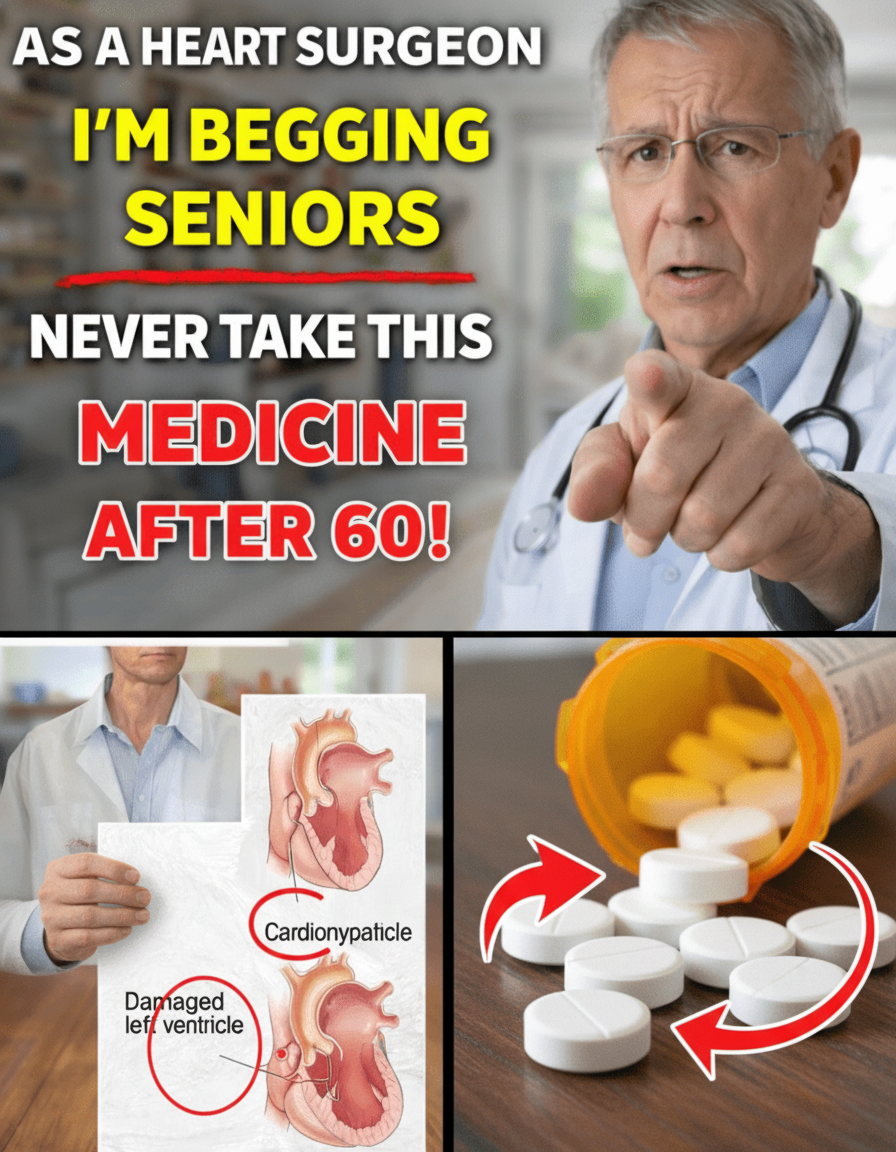
Alright, let’s cut to the chase. The pill we’re zooming in on belongs to a group called nonsteroidal anti-inflammatory drugs, or NSAIDs for short. You probably know ’em by their street names: ibuprofen (think Advil or Motrin), naproxen (that’s Aleve), or even those stronger versions your doctor might hand out. These meds are wildly popular because they’re like a swift kick to pain, swelling, and inflammation. Millions of you over 60 pop ’em every single week for everything from joint pain and backaches to those skull-splitting headaches. But here’s why the heart experts are raising a red flag: NSAIDs work by blocking certain enzymes in your body, and that process can seriously mess with your fluid balance and blood pressure – and that’s a bigger deal as you age.
Why Your Ticker Gets Tricky After 60
Look, let’s be straight: your heart and blood vessels naturally get a bit stiffer over time. It’s just part of the aging game. Plus, your kidneys might not be filtering fluids as efficiently as they used to. Now, when you throw NSAIDs into the mix, they can trick your body into holding onto salt and water. This extra fluid? It’s like adding an unwanted burden, putting more pressure on your heart. We’re not just guessing here; solid research, including a heavyweight study dropped in the Journal of the American Medical Association, showed that older adults recently using these pills roughly *doubled* their odds of needing hospital care for heart failure symptoms. And if you’ve already got some heart concerns, that risk just skyrockets. But don’t panic! This isn’t about every single pill causing a crisis; it’s about being aware and playing it smart.
Here’s the lowdown many people completely miss. The very same mechanism that’s easing your aching knee can also give your blood pressure a little bump and make your heart work harder to pump blood. Over weeks or months of popping these regularly, this added workload can really start to show, especially if you’ve got other factors like age or existing health issues in the mix.
Red Flags Your Body’s Waving
Listen up! Your body talks, but are you listening? Building the habit of paying attention to what it’s telling you is one of the smartest moves you can make. Keep an eagle eye out for things like swelling in your ankles or feet that wasn’t there before, suddenly gasping for air when you hit the stairs, or feeling like you’re dragging a truck when you usually have pep in your step. These are early clues that fluid might be building up. The good news? Most of these changes aren’t permanent if you catch ’em early. A few tweaks to your habits or a quick chat with your doctor can often set things right.
NSAIDs & Your Heart: The Real Deal (Quick Guide)
To make this crystal clear, here’s the straightforward breakdown:
- Short-term, low-dose use (a few days for a headache): Generally considered a lower risk for most healthy seniors. Pop one for a quick fix? Probably fine.
- Long-term, daily use: Now we’re talking higher chances of fluid retention and blood pressure going rogue, according to multiple big-time reviews. Don’t make it a daily habit without serious thought.
- People with existing heart issues: Got a tricky ticker already? Experts are practically screaming ‘extra caution!’ or urging you to explore other options.
- Safer alternatives in some cases: Acetaminophen (your Tylenol, for instance) is often suggested for milder pain. Just remember, it’s got its own limits when it comes to liver health.
Your Move: Smart Steps to Protect Your Heart Today!
Alright, enough with the doom and gloom! You’re not helpless here. The good news is you don’t have to suffer in silence or put your heart at risk. Here’s your battle plan – five killer moves you can make right now to manage pain safely while keeping your heart thumping strong:
- Spill the beans to your doc or pharmacist: Have an honest-to-goodness conversation about *all* the medications and supplements you’re taking. They’re your secret weapon; they can review your personal risk factors and help you craft the best strategy.
- Less is more, always: Stick to the lowest effective dose for the shortest possible time. Seriously, many people find relief with just a day or two of use instead of weeks. Don’t be a hero and overdo it.
- Keep an eye on the scoreboard: If you’re using these pills regularly, monitor your weight and blood pressure at home. A sudden gain of a few pounds isn’t just about that extra slice of pie; it could be a flashing signal of fluid retention.
- Move it or lose it! Stay active with gentle movements like walking or swimming. Exercise is your heart’s best friend; it strengthens your ticker and can actually reduce your need for pain medication over time.
- Think outside the pill bottle: Explore non-pill options whenever possible. We’re talking physical therapy, warm compresses, gentle stretching, or even cognitive behavioral techniques for chronic pain. These aren’t just hippie remedies; they’ve helped countless seniors cut back on meds and find lasting relief.
But wait—there’s more to the story than just dodging one type of pill. We’ve only scratched the surface of keeping your heart robust and healthy as you age. Want to dive deeper into protecting your most vital organ and living your best life? Keep exploring dogpjs.com for more no-nonsense advice, health hacks, and expert insights tailor-made for a vibrant life after 60. Your heart will thank you!