 By admin
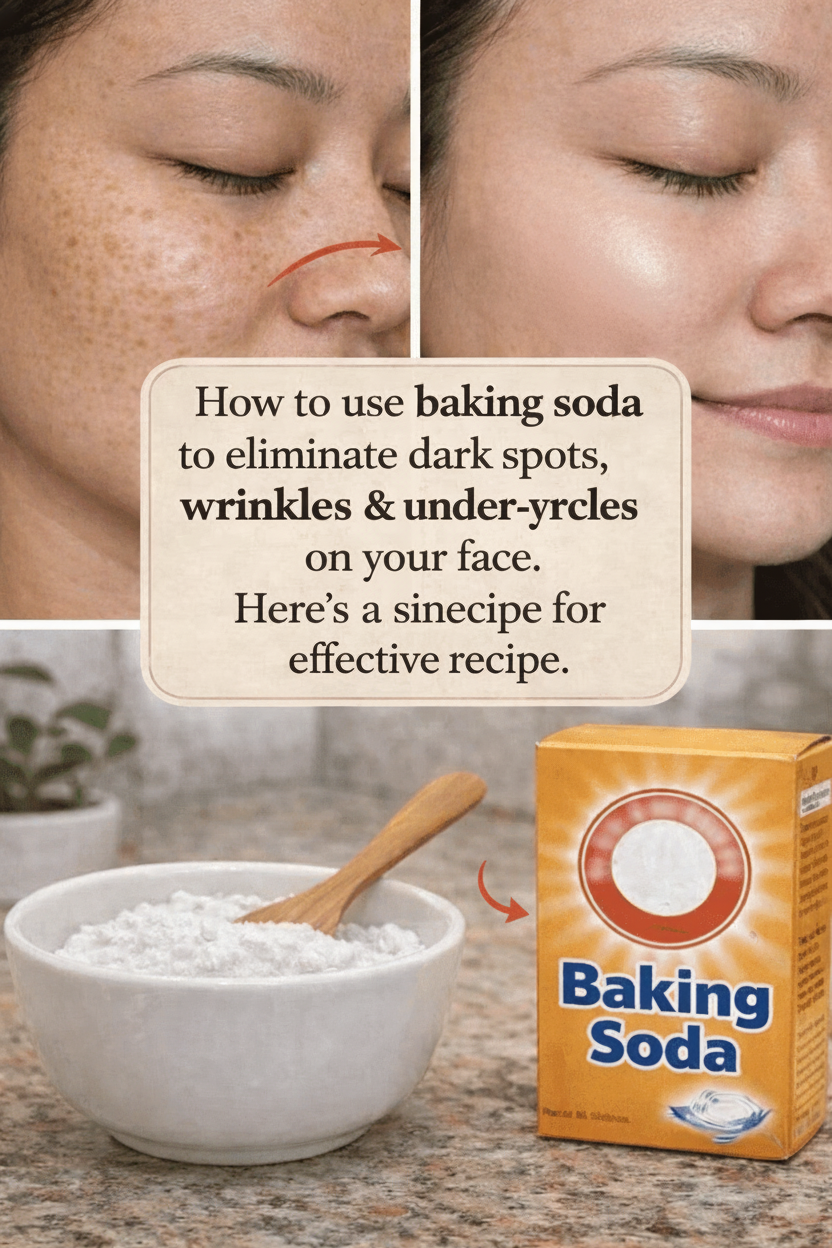
 Let’s be real, who hasn’t stared in the mirror, totally fed up with those dark spots from too much sun, those sneaky fine lines creeping in, or those under-eye bags making you look like you pulled an all-nighter even after a solid eight hours? It sucks the confidence right out of you, doesn’t it? And when all those fancy over-the-counter options promise the moon but deliver squat, you start looking for anything. Enter baking soda – that humble box from your kitchen, suddenly hyped as a skin savior for a ‘fresh look’ with its gentle abrasive texture. But hold up! Before you go slathering it on your face like it’s magic, let’s cut through the social media noise. Sure, there are wild stories, but understanding the real deal with how baking soda interacts with skin – and finding smarter ways to incorporate gentle exfoliation – can seriously change your skincare game. Stick around, because we’re diving deep into practical tips, what research suggests, and why consulting a professional matters.
What Baking Soda Actually Does on Skin
Alright, let’s get down to brass tacks about what this ‘miracle powder’ – aka sodium bicarbonate – actually does. Yeah, it’s got a gritty texture, making it a physical exfoliant that can scrub off some dead skin cells on the surface. And sure, some folks swear their skin feels softer and looks brighter right after using it, giving a temporary smoothing effect. But here’s the kicker, the part most influencers conveniently forget: your skin’s natural defenses, its ‘acid mantle,’ thrives in an acidic environment (think pH 4.5 to 5.5). Baking soda? It’s alkaline. Slap that on too often or too aggressively, and you’re basically messing with your skin’s natural vibe, potentially disrupting that crucial balance and your skin’s barrier.
And don’t even get us started on the ‘science’ behind it for serious skin concerns. Dermatologists – the real experts, not TikTok gurus – along with sources like Healthline and other board-certified professionals, are pretty clear: there’s barely any solid scientific backing for baking soda as a go-to for skin concerns beyond basic cleansing in very specific cases. The truth is, any surface-level buffing might create a short-term glow by removing buildup, but deeper issues like uneven tone or visible lines involve factors baking soda simply can’t address effectively on its own.
Potential Benefits People Notice with Careful Use
Now, we’re not saying everyone who tries it ends up a disaster. When mixed properly and used sparingly, some people do report a few temporary wins from using baking soda for skin. We’re talking: mild exfoliation to clear away dull surface layers; temporary oil absorption for a mattified feel; and yeah, it’s a budget-friendly option probably already chilling in most kitchens. Research shows exfoliation in general can improve texture and brightness over time when done correctly. Gentle physical exfoliants help reveal fresher skin underneath, which might make fine lines appear less noticeable temporarily or give a more even look after consistent gentle care.
But let’s be crystal clear: these are *superficial* changes. For lasting improvements in appearance, combining habits like consistent sun protection and proper hydration often yields far better, more sustainable results. Don’t fall for the quick fix hype!
Important Risks and Why Caution Is Key
Alright, here’s where we get real, because this is the crucial info that so many folks conveniently gloss over. That ‘gentle’ abrasive and that funky pH of baking soda? They’re a recipe for disaster for your delicate skin, leading to: dryness or tightness after use; irritation, redness, or sensitivity, especially on delicate areas; and barrier disruption that might actually worsen your skin concerns over time. You don’t want to mess with your skin’s natural defenses!
Listen up: real experts, including dermatologists quoted in reputable sources, are screaming from the rooftops about this. They warn that regular facial application of sodium bicarbonate could seriously aggravate sensitive skin or even make uneven tone more pronounced in some cases. There’s scant strong evidence supporting baking soda for long-term skin brightening, and some reports even suggest it may not reach deeper pigmentation layers at all. So, if your skin is already sensitive, dry, or prone to acne, do yourself a massive favor: skip baking soda in your skincare routine entirely and opt for gentler, proven alternatives. Seriously, walk away and find something that won’t make your face regret it.
Safer Ways to Explore Gentle Exfoliation at Home
So, if you’re smart and you’ve listened to the warnings, you’re probably thinking, ‘Okay, what should I do then?’ Forget the risky baking soda gamble! Here are some tried-and-true, *safer* approaches that align better with your skin’s natural needs and actually deliver results without risking irritation: Start with patch testing — Always test any new mixture on your inner arm for 24 hours to check for reactions. Choose gentler exfoliants — Look for products with lactic acid, mandelic acid, or enzyme-based options that work without harsh scrubbing. Focus on hydration and protection — Daily moisturizer and broad-spectrum SPF help maintain skin health and prevent new dark spots from forming. Incorporate antioxidants — Ingredients like vitamin C in serums support a brighter, more even appearance over time. Prioritize sleep and lifestyle — Adequate rest reduces under-eye shadows, while a balanced diet supports overall skin vitality.
These steps build a sustainable skincare routine without risking irritation, helping you achieve truly smoother, brighter-looking skin in the long run.
Simple Baking Soda Paste Recipe (With Strong Precautions)
Okay, look. We’ve warned you. We’ve given you the lowdown. But if you’re still feeling that burning curiosity and you *swear* your skin is tough as nails and tolerates *everything*, here’s a basic way some people try baking soda for skin *very, very occasionally*. Just remember, we told you so: mix 1 teaspoon of baking soda with enough water (or if you’re feeling fancy, a gentle carrier like honey) to form a thin paste. Apply gently to damp skin, avoiding the eye area entirely. Use with extreme caution and at your own risk!
We hope this deep dive into baking soda and skincare has armed you with the real facts! Your skin deserves the best, so make informed choices. Want more expert tips and honest reviews? Explore other articles on dogpjs.com for a healthier, happier you!