 By admin
 Heel pain hits hard—literally. That sharp stab when you first step out of bed, or the nagging ache after a long day on your feet, can make even simple tasks feel exhausting. Whether you’re a runner, a teacher standing all day, or just someone who loves weekend hikes, this discomfort disrupts your routine and steals your energy. Seriously, it can turn your daily grind into a living hell. Studies show millions deal with it each year, often from everyday overuse or subtle imbalances in how we move.
The good news? Many people find noticeable comfort by making small, smart adjustments to daily habits. But here’s the part most overlook, the real secret sauce: the true relief often comes from understanding the root causes and building supportive routines *early*. Stop guessing and start knowing what’s up with your feet!
Stick with me—by the end, you’ll discover one surprisingly simple daily ritual that many swear by for keeping heel discomfort at bay longer-term. Trust me, this isn’t just fluff; it’s the real deal to get you back on your feet, pain-free!
What the Hell is Causing This Heel Pain Anyway?
Heel pain isn’t one single issue—it’s a symptom with multiple possible triggers. Think of your heel bone (the calcaneus) as the main anchor, bearing a ton of your body weight. The surrounding tissues like ligaments, tendons, and cushions can get seriously pissed off from repetitive stress. Research from sources like Mayo Clinic and Healthline highlights that most cases stem from mechanical factors rather than some scary disease. Common culprits include tight muscles, crappy, unsupportive footwear, suddenly going all-out in activity, or foot structure variations like flat feet or high arches. It’s usually not rocket science, just your body screaming for attention.
The Usual Suspects: Why Your Heels Are Acting Up
Let’s cut to the chase and break down the top culprits so you can spot patterns in your own damn experience. Knowing your enemy is half the battle, right?
Plantar Fasciitis – The #1 Offender
This involves irritation of the thick tissue band (plantar fascia) running along the bottom of your foot. It often flares up with morning stiffness or after sitting for long periods, feeling like a rusty nail in your heel. Overuse, poor shoe support, or carrying extra body weight can really fuel this fire. This is the big bad boss of heel pain, folks.
Achilles Tendinitis
Pain at the back of the heel often points here. The Achilles tendon connects your calf to the heel bone and can become irritated from ramping up exercise too quickly or having calves tighter than a drum. Don’t be a hero and push too hard too fast, your Achilles will make you pay.
Bursitis
Small fluid sacs (bursae) cushion your heel. When these get inflamed, they cause swelling and tenderness, especially during movement. It’s like little pillows in your foot deciding to go on strike.
Stress Fractures or Bruises
Tiny cracks in the bone from repeated impact—or even a deep bruise from stepping hard—can create ongoing soreness. It’s your bone saying, “Hey, take it easy, you’re pounding me too hard!”
Other Contributors
Things like growth-related issues in kids/teens (Sever’s disease), systemic inflammation, or mechanical foot imbalances play roles in some cases. Sudden twists can lead to sprains affecting the area too. And if that wasn’t enough, sometimes your body just decides to throw a curveball.
But that’s not all… many people notice symptoms worsen with certain daily patterns. It’s like your feet have a schedule for when they want to act up.
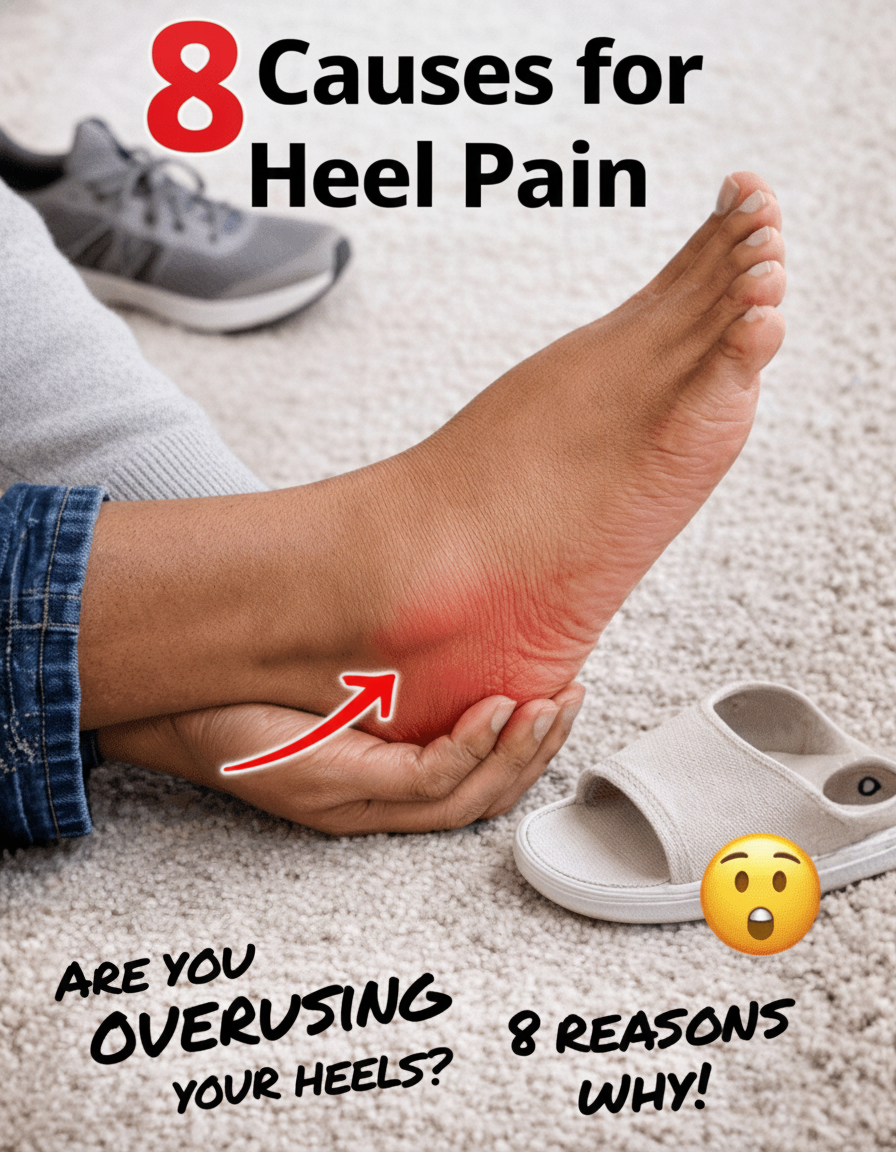
Your Heel’s SOS Signals: What to Look Out For
Don’t ignore these warnings! Your body is trying to tell you something. Pay attention to these key symptoms:
- Sharp pain in the bottom or back of the heel
- Stiffness after rest that eases with movement
- Tenderness when pressing the area
- Swelling or warmth in some cases
If pain arrives suddenly and intensely, or limits your ability to walk, it’s worth getting professional input. Don’t play doctor with something serious, go see someone who knows their stuff.
No-BS Home Hacks to Kick Heel Pain to the Curb
You don’t need fancy equipment or a personal trainer to start feeling better. These evidence-based steps focus on reducing stress on the area and actually work.
1. Rest and Ice Smartly
Give those feet a damn break from high-impact activities. Seriously, stop pushing it! Apply a cold pack (wrapped in cloth, don’t freeze yourself directly!) for 15-20 minutes a few times daily to help calm that angry irritation. Chill out, literally.
2. Gentle Stretching Routines
Tight calves and foot tissues often amplify discomfort. Don’t be lazy, try these daily—they’re simple but effective:
- Calf Stretch: Stand facing a wall, one foot back, heel down. Lean forward until you feel a gentle pull in the back leg. Hold 30 seconds, switch sides. Repeat 3 times. Feel that tension melt away!
- Plantar Fascia Stretch: Sit and cross one leg over the other. Pull toes back toward your shin until you feel the bottom stretch. Hold 30 seconds. Get deep into that fascia!
- Towel Scrunch: Place a towel flat, use toes to scrunch it toward you. This builds foot strength like a boss.
3. Choose Footwear Wisely
Stop abusing your feet! Supportive shoes with good cushioning and arch support make a HUGE difference. Ditch the flats, high heels, or those worn-out sneakers that offer zero support. Look for:
- Firm heel counters (keeps your heel stable, not wobbling all over the place)
- Moderate heel-to-toe drop (around 8-12mm, helps distribute pressure)
- Removable insoles (so you can swap in custom support if needed)
Quick Comparison: Everyday Shoes vs. Supportive Choices
| Feature | Everyday/Flat Shoes | Supportive Options |
|---|---|---|
| Arch Support | Minimal or none | Built-in or customizable |
| Cushioning | Thin or uneven | Thick, shock-absorbing |
| Heel Stability | Loose or wobbly | Firm counter for better control |
| Impact on Heel Stress | Higher over time | Lower, helps distribute pressure |
Seriously, switching to better options often brings relief within weeks for many. Don’t underestimate the power of good shoes; they’re your foundation!
Future-Proof Your Heels: Habits to Keep the Pain Away for Good
Small changes prevent recurrence and keep you moving comfortably. Gradually increase activity—don’t be a hero and jump into intense workouts. Your feet will thank you for taking it slow and steady, building up strength and resilience over time.
There you have it! Don’t let heel pain run your life. By understanding these common issues and making a few smart, consistent changes, you can reclaim your comfort and get back to doing what you love. We’re here to help you every step of the way!
Want more killer tips for a healthier life? Check out our other articles on Herbal Medicine, Home Tips, and Garden Tips right here on dogpjs.com. Keep exploring, keep learning, and keep thriving!
”
}
“`