 By admin
 Amlodipine Kicking Your Butt? 10 Common Side Effects & How to Tame ‘Em at Home!
So, you’re on Amlodipine, thinking you’re doing great for your heart, right? Then BAM! Your ankles look like balloons, or you’re dragging ass by noon. That sudden swelling or light-headed feeling can turn simple tasks like walking the dog or climbing stairs into something that leaves you second-guessing every single step. Sound familiar?
Don’t sweat it – you’re not alone, and guess what? Most of these annoyances are totally manageable once you know what to look for. Stick with me until the very end because I’m about to drop some serious knowledge, including one killer evening hack that many people swear makes the most bothersome effect practically vanish. You won’t want to miss this!
Why Amlodipine Can Cause These Effects
Alright, so why’s this drug messing with you? Amlodipine belongs to a group of medicines called calcium channel blockers. Think of it like a chill pill for your blood vessels – it relaxes ’em so blood flows smoother. Great for your heart, sure. But that same ‘chill’ effect can sometimes make fluids go rogue in your body or just plain screw with how you feel day to day.
Even the big shots at the Mayo Clinic note that these responses are common and usually mild, especially when you’re just starting the medicine or when the dose changes. Your body’s just figuring things out, so give it a minute.
The 10 Common Side Effects of Amlodipine Most People Notice
Enough chit-chat. Let’s get down to brass tacks: the ten most common ways Amlodipine tries to throw a wrench in your day. For each one, I’ll tell you what it feels like, *why* it happens, and a dead-simple move you can pull right now to fight back.
1. Swelling in the Ankles and Feet
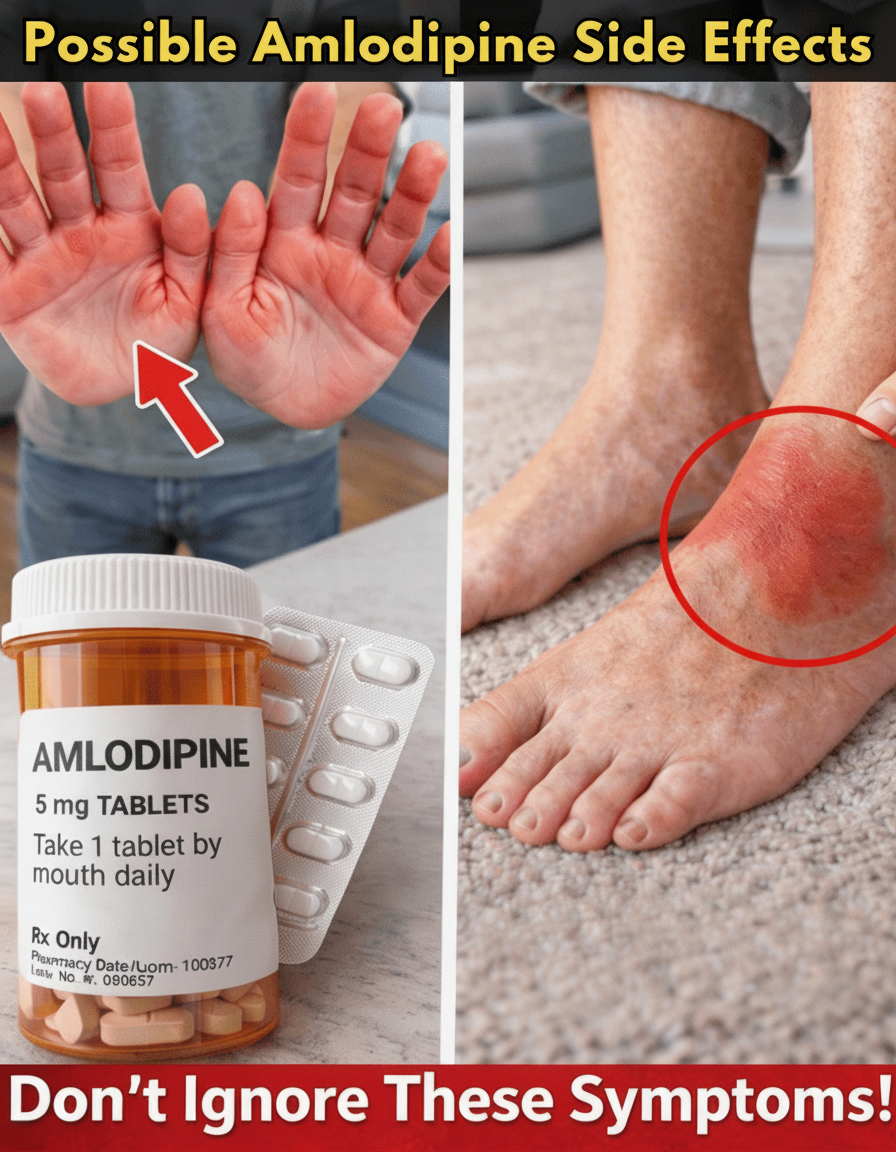
This is the king of all Amlodipine annoyances – your ankles and feet blowing up like balloons, often called peripheral edema. Fluid collects in the lower legs because the relaxed blood vessels let fluid just seep right into surrounding tissue. According to Cleveland Clinic reports, many people notice their socks leaving Grand Canyon-deep marks or shoes suddenly feeling two sizes too small by evening. *Sound familiar?*
Quick tip you can start tonight: Elevate those puppies! Prop your legs up on a pillow for 15–20 minutes while you binge-watch your favorite show. Seriously, many readers swear this alone cuts the puffiness in half. Try it!
2. Feeling Dizzy or Light-Headed
Ever stand up too fast and feel like the room’s doing a disco dance for a moment? That’s your blood vessels being all wide, so blood pressure can dip temporarily. It’s jarring!
Try this: Simple fix, but it’s a lifesaver: Don’t just spring up! Rise slowly from sitting or lying down—count to five before you even think about that first step. Trust me, it works surprisingly well.
3. Facial Flushing or Warmth
Suddenly, your cheeks, neck, or chest feel like they’re on fire and look like a ripe tomato. This happens because blood flows closer to the skin, making you feel like you’ve run a marathon.
Easy fix: Keep a cool cloth handy and sip room-temperature water. Most folks find this ‘hot flash’ feeling chills out after the first few weeks. Hang in there!
4. Headaches
A dull ache often crashes the party in the first week or two as your body tries to figure out what’s going on. Annoying, right?
What helps: Guzzle some water and try a gentle neck stretch. NHS guidance says these usually pack up and leave pretty quickly on their own. Don’t let ’em win!
5. Feeling More Tired Than Usual
You might need an extra nap even though you slept fine. Your heart is working with less effort, which sounds good, but it can leave you feeling totally wiped out at first.
Action step: Fight back! Don’t just slump. Schedule a short 10-minute walk after lunch. Gentle movement often gives you more of a kick than another cup of coffee. Get moving!
6. Heart Palpitations
Your heart suddenly doing a little jig, skipping a beat, or racing for a few seconds. It’s usually harmless, but damn, it can be startling!
What to do: Chill out. Sit down, take slow, deep breaths, and just note when it happens. Most people find this calms down within a month. Don’t panic.
7. Mild Nausea or Stomach Upset
Some mornings, your stomach might feel a little queasy after popping that tablet. Not a great start to the day, huh?
Simple trick: Don’t take it on an empty stomach! Pair it with a small snack like yogurt or a banana instead. Easy peasy, no more queasy.
8. Muscle Cramps or Aches
Legs or calves suddenly tightening up at night? Yep, another fun side effect of changed blood flow. It can really ruin your sleep!
Evening habit: Stretch those muscles gently before bed. Or, *after you’ve talked to your doctor*, ask about magnesium-rich snacks like almonds (only after checking with them). Don’t guess, ask the doc!
9. Gum Tenderness or Swelling
This one’s a bit sneaky: your gums might get a little puffy, a less talked-about effect. Good oral care is your secret weapon here to keep it in check.
Daily routine: Brush and floss like your life depends on it – twice a day. And don’t skip those six-month dental cleanings. Keep your choppers happy!
10. Occasional Weight Gain
Suddenly seeing a few extra pounds? It’s usually fluid retention rather than actual fat. So don’t freak out about your diet just yet.
Track it: Keep an eye on it. Weigh yourself once a week at the same time. If you jump more than a couple of pounds quickly, spill the beans to your doctor at your next appointment. Don’t let it slide!
Here’s the kicker – and this is huge – most of these annoying effects are tied to your dose. A lot of folks feel a million times better after a tiny dose tweak. But listen up: ONLY your doctor can make that call. Don’t even think about messing with your meds yourself!
Signs It’s Time to Call Your Doctor
Okay, while most of the stuff above is just annoying, some signals mean you need to hit up your doctor *pronto*. Don’t wait. Contact your healthcare provider right away if you notice:
- Sudden chest pain or shortness of breath
- Severe dizziness that doesn’t stop
- Swelling that spreads to your hands or face
- Yellowing of the skin or eyes
- Rapid weight gain in just a day or two
Practical Daily Habits That Make a Real Difference
You don’t have to just suffer through these. Small, consistent actions can make a massive impact on how you feel every single day. So there you have it – the lowdown on Amlodipine’s common side effects and how to tackle them head-on. Don’t let these minor annoyances derail your health journey. Stay informed, stay proactive, and always keep your doctor in the loop. For more no-nonsense health tips and tricks to live your best life, keep exploring dogpjs.com. We’ve got your back!