 By admin
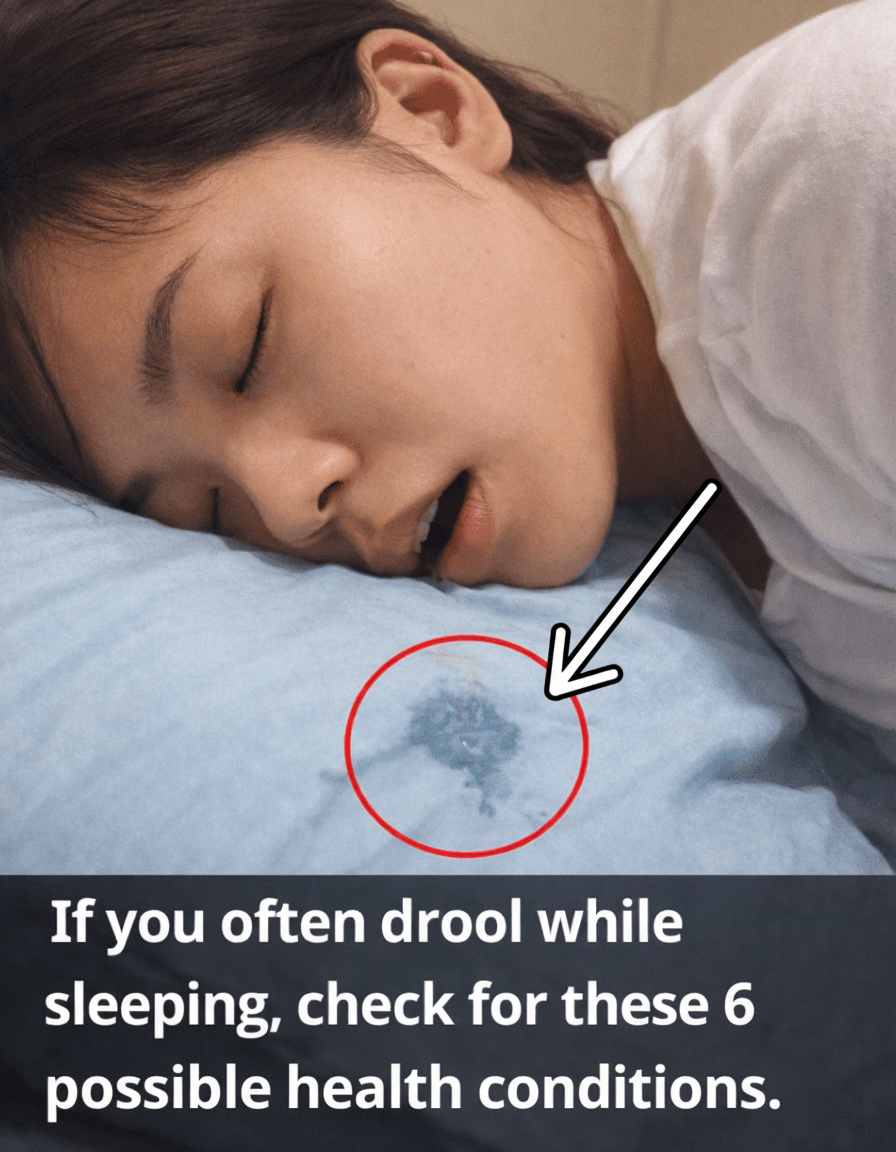
 Ever wake up feeling like a slob, face glued to a soggy pillow, wondering ‘WTF, why am I drooling like a baby?’ Yeah, that sticky mess isn’t just annoying; it’s straight-up embarrassing, making you wonder if your body’s gone rogue during sleep. For most adults, a little nighttime drooling now and then is no biggie, but when it’s a regular occurrence, it messes with your comfort and might be a red flag for something else brewing. The truth is, your mouth’s a saliva factory 24/7, keeping things moist and healthy. But when you’re knocked out cold, things like gravity, weird breathing patterns, and even some health crap can let that spit just *escape* way too easily. But here’s the kicker, folks: you’d be shocked how a few simple tweaks to your bedtime ritual can actually shut down this drool disaster. And trust us, we’ve got one secret weapon at the end that’ll blow your mind and change your sleep game forever.
Understanding Why You’re a Drooling Mess While You Sleep
Saliva isn’t just gross; it’s a superstar for digestion, protecting your pearly whites, and keeping your mouth feeling right all day long. But at night? Your automatic swallowing reflex basically takes a nap too. So, if that spit starts pooling in your mouth, it’s got nowhere to go but out onto your pillow. This happens more often than you’d think, especially if you’re a mouth breather or have some questionable nighttime habits. Health gurus say a little occasional drooling while sleeping is usually harmless. But when it becomes your nightly ritual, it’s time to dig into the everyday factors that are turning you into a human waterfall. The good news? Many of these issues are super easy to fix with tiny changes you can start tonight. But hold up, that’s not the whole story. Let’s dive deep into six common culprits that research and real-world observations often link to that unwelcome excessive drooling at night.
6 Common Reasons You’re Drowning Your Pillow Every Night
1. Your Nose Is Acting Like a Jerk (Nasal Congestion or Sinus Issues)
When your nose is all stuffed up from allergies, a nasty cold, or sinus inflammation, what do you do? You start breathing through your mouth, duh. This open-mouth breathing is basically an open invitation for saliva to make a break for it while you’re chilling in dreamland. Experts at the Cleveland Clinic confirm that mouth breathing caused by nasal congestion is one of the most obvious reasons people turn into drool monsters. If you wake up with your mouth feeling like the Sahara Desert *and* a wet spot on your pillow, this is probably your problem. Same goes for those chronic sinus woes – seasonal allergies or ongoing inflammation can narrow your nasal passages, forcing you to breathe through your mouth all night long. Fix your nose, fix your drool!
2. Your Stomach Acid Is on the Attack (Gastroesophageal Reflux Disease – GERD)
Acid reflux isn’t just about that burning heartburn; it can also kick your salivary glands into overdrive. When that stomach acid decides to take a joyride back up your throat, your body freaks out and pumps out extra saliva like crazy to try and neutralize the irritation. Health resources like Healthline spill the tea, explaining that this increased saliva production, combined with your relaxed swallowing muscles during sleep, is a recipe for a drool fest. Many folks with GERD notice this symptom, often paired with a nasty sour taste in their mouth upon waking. If you’re constantly feeling cruddy after eating or your symptoms get worse when you lie down, this connection should hit home.
3. Your Swallowing Muscles Are Slackers (Difficulty Swallowing)
Sometimes, the muscles you use to swallow just don’t feel like working efficiently at night. This can happen if you’re just plain exhausted, or if there are longer-term issues with your throat muscle coordination, letting saliva just pool up instead of being swallowed automatically. MedlinePlus points out that problems keeping saliva in your mouth or swallowing correctly are frequent contributors to nighttime drooling. In some cases, it’s all about how your throat relaxes during those deeper sleep stages. If you’ve ever felt like saliva builds up more than usual even when you’re awake, this factor might be worth a serious look.
4. Your Brain’s Playing Tricks (Neurological Conditions)
Certain neurological issues can seriously mess with the muscles that control your mouth and swallowing. Conditions like Parkinson’s disease or facial nerve problems can weaken these muscles, making it a real struggle to keep that saliva contained while you’re catching Zs. Research published in neurological reviews highlights that sialorrhea (that’s fancy talk for excess saliva accumulation) is a common headache in some chronic neurological conditions because of reduced muscle control or screwed-up swallowing reflexes. And listen up: if you suddenly start drooling only on one side of your face, that’s something many experts say you absolutely need to get checked out ASAP.
5. Your Meds Are Making You a Mess (Certain Medications)
Yep, some prescription meds actually list increased saliva production as a delightful side effect. This includes certain treatments for Alzheimer’s, antibiotics, or even some medications for mental health conditions. The Cleveland Clinic points out that antipsychotics and other drugs can stimulate salivary glands, leading to an unwelcome increase in saliva production and, consequently, more drooling when you’re unconscious.
6. You’re Choking in Your Sleep (Obstructive Sleep Apnea – OSA)
This one’s a big deal, folks. If you’re constantly gasping for air, snoring like a freight train, and waking up tired, you might have Obstructive Sleep Apnea (OSA). When your airway gets blocked repeatedly during sleep, your body’s natural response is often to open your mouth to try and get more air. And guess what happens when your mouth is wide open while you’re out cold? You guessed it – sleep drooling like there’s no tomorrow. The American Academy of Sleep Medicine often links OSA to mouth breathing and, subsequently, excessive nighttime drooling. If you suspect this, don’t mess around; get it checked!
Practical Tips to Stop the Nighttime Drool Disaster
Alright, you’ve heard the bad news, now for the good stuff! No one wants to wake up looking like they just had a wrestling match with a puddle. Here are some no-nonsense tips to help you reclaim your dry pillow and your dignity:
- Change Your Sleep Position: This is probably the easiest fix. Sleeping on your back is a game-changer because gravity keeps that saliva right where it belongs. If you’re a side or stomach sleeper, try propping yourself up with pillows or even investing in a body pillow to keep you from rolling over.
- Clear Those Airways: If nasal congestion is your nemesis, fight back! Use nasal strips, decongestants (short-term only!), or a saline rinse before bed. The goal is to breathe freely through your nose.
- Elevate Your Head: For our GERD sufferers, raising the head of your bed by 6-8 inches can make a massive difference. This isn’t just about extra pillows; you need to lift the whole upper body, which helps gravity keep that stomach acid down and reduces excessive saliva production.
- Stay Hydrated (Seriously!): It sounds weird, but a dry mouth can sometimes trick your body into making *more* saliva. Drink enough water during the day, but ease up right before bed to avoid extra bathroom trips.
- Dental Check-Up: Sometimes, new dentures, an ill-fitting retainer, or even certain dental issues can mess with your mouth’s natural seal. A quick visit to your dentist might reveal a simple fix.
And now, for that often-overlooked tip we promised, the one that could truly change your sleep drooling game:
The Secret Weapon: The Right Mouthguard! No, not a sports guard, but a specific type of anti-drooling mouthguard or oral appliance. Some custom-fitted devices, often available through dentists, can gently reposition your jaw or tongue to encourage mouth closure and proper swallowing, effectively sealing the deal on nighttime drooling. It might feel weird at first, but for persistent droolers, this could be your ultimate salvation!
So, there you have it, folks. Don’t let a soggy pillow ruin your mornings or make you feel self-conscious. Understanding why you’re drooling while sleeping is the first step to a drier, more comfortable night’s rest. Try these tips, and if the problem persists, don’t hesitate to consult a healthcare professional – they can help rule out any serious underlying conditions. Your comfort and sleep quality are worth it!
Thanks for sticking with us and diving into the sticky world of nighttime drooling! We hope this guide helps you wake up feeling refreshed and, more importantly, dry. For more awesome health hacks and practical tips to improve your life, don’t be a stranger – keep exploring dogpjs.com!