 By admin
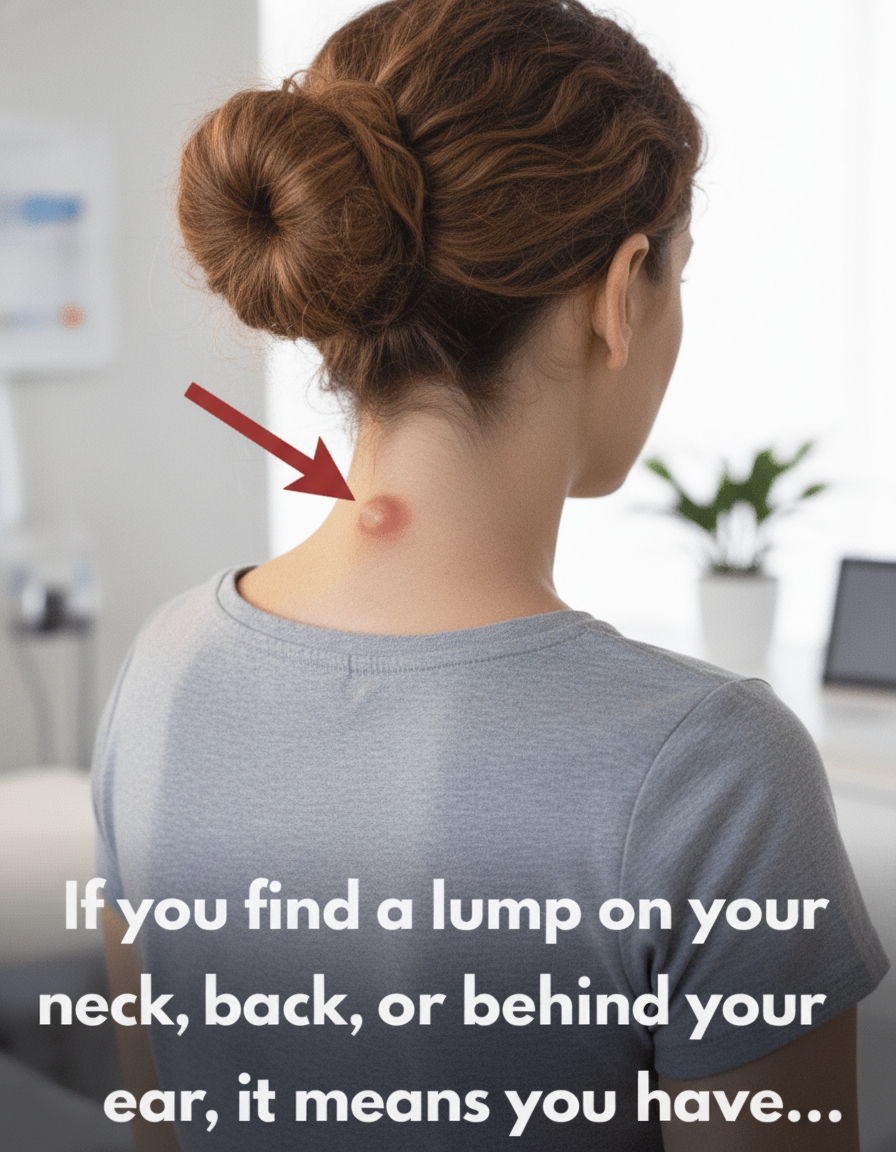
 Alright, let’s be real. Spotting a random lump or bump on your body? Your heart probably just dropped into your stomach. That sudden discovery under your skin can instantly send you into full-blown panic mode, especially when you’re clueless about what it is or if it’s just some harmless thing that’ll vanish on its own. Most folks stumble upon these mystery growths during everyday rituals like showering or getting dressed, and that nagging uncertainty can seriously mess with your sleep and peace of mind. But hold up, here’s the crucial takeaway: most cysts and lumps are actually benign – totally harmless. Understanding their key differences is a game-changer, empowering you to take smart, calm steps forward. In this guide, we’re cutting through the noise to show you practical ways to recognize common characteristics – and we’ll drop a truth bomb on why getting a professional look brings clarity faster than you ever imagined. Don’t sweat it, we’ve got your back.
What Exactly Is a Cyst? Let’s Break It Down.
So, what’s the deal with a cyst? Picture this: it’s basically a little sac or pocket tucked away in your body, packed with fluid, air, or some gooey, semi-solid stuff. Seriously, just imagine a tiny, squishy water balloon chilling under your skin or deep within your tissues. These little guys pop up for all sorts of reasons – maybe a gland got blocked, an infection decided to crash the party, or just regular body processes doing their thing. And trust us, cysts are super common, showing up in people of all ages. But here’s the kicker – their unique feel and how they behave often tell you exactly what you’re dealing with, right off the bat.
When you find one, cysts typically feel soft or squishy to the touch, often perfectly round, and here’s the big one: they’re usually movable when you gently press around them. They might even play games, changing size or sometimes just vanishing on their own without you having to do a thing. Common examples of these sneaky little sacs include:
- Ovarian cysts: These bad boys can sometimes bring pelvic discomfort or shake up menstrual cycles for some women.
- Sebaceous or epidermoid cysts: You’ll often find these chilling on the face, neck, or torso, sometimes even sporting a tiny central opening.
- Breast cysts: Frequently tender to the touch and often tied to those wild hormonal shifts.
Here’s some good news to ease your mind: research consistently shows that simple, fluid-filled cysts caught on imaging are almost always noncancerous. In many cases, they can be safely monitored without needing to freak out.
Lumps (aka Tumors or Solid Masses): What You NEED to Know
Now, let’s talk about lumps. Unlike those squishy cysts, a lump – sometimes medically dubbed a tumor – is a solid collection of tissue, not a fluid-filled pouch. These can pop up from an overgrowth of normal cells or other body shenanigans, and their behavior? It’s a whole spectrum. But here’s the crucial part, so listen up: not every lump is a death sentence, okay? Many are totally benign and just hang out, growing slowly without causing a fuss. Take a lipoma, for instance – that’s a common fatty lump that usually feels soft, rubbery, and painless, gliding easily under your skin. Or fibroadenomas in the breast, another frequent benign example, typically firm but still movable. The plot thickens, though, because some lumps have a firmer texture and aren’t so keen on moving around. Studies bang the drum on this: rapid changes or a lump that feels stubbornly fixed in place? Those absolutely demand a closer look because they’re key clues in figuring out what kind of growth you’re dealing with.
Cyst vs. Lump: The Quick-Fire Showdown You Need
Alright, let’s cut to the chase and lay it all out. Here’s a no-frills, side-by-side comparison of their typical features. BIG DISCLAIMER: Only a qualified healthcare professional can confirm what’s really going on through a proper exam or imaging. Don’t play doctor with yourself!
| Cysts | Lumps | |
|---|---|---|
| Texture | soft or squishy, like a water balloon | often firmer or solid |
| Mobility | usually moves freely under the skin | may move or feel more fixed, depending on type |
| Growth | can stay stable or change with hormones/infection | benign ones grow slowly, while others may change more noticeably |
| Tenderness | more likely to feel tender or painful if inflamed | often painless unless pressing on nearby structures |
| Appearance on imaging | show as dark, fluid-filled areas | appear as solid tissue |
Look, this comparison isn’t your ticket to self-diagnose – absolutely not. Think of it as a solid jumping-off point to grasp why one mystery growth might feel totally different from another. When in doubt, call a pro.
RED ALERT: Signs That DEMAND Immediate Attention
While most cysts and benign lumps are usually harmless, there are absolutely certain changes that scream for a quicker evaluation. This isn’t just friendly advice; this is what medical guidance hammers home. Listen up, because these are the signs you absolutely can’t ignore:
- A rapid increase in size over a short, alarming period.
- That growth feels hard, fixed, and barely moves, if at all.
- You’re experiencing new pain, numbness, or pressure on surrounding areas – don’t brush it off.
- Noticeable skin changes: we’re talking redness, swelling, dimpling (like an orange peel), or any weird drainage.
- Systemic symptoms creeping in, like unexplained, crushing fatigue or sudden weight changes (yes, these have many causes, but with a new lump, they’re a red flag).
But here’s the real talk, the part most folks completely miss: Even if you’re not seeing any dramatic, Hollywood-level symptoms, ANY new lump that sticks around for more than a few weeks? It absolutely, 100% deserves a professional once-over. Getting an early evaluation isn’t just about catching something serious; it often brings immense reassurance and stops that unnecessary worry from eating you alive.
So, what’s your move? Here are some actionable steps you can take TODAY, no excuses: First, be your own detective – note the exact location, get a rough size (a ruler helps if you’re serious), and describe the precise feel of that growth in a simple journal or phone note. Next, play the waiting game (smartly): monitor it for any shifts over 1-2 weeks, always checking under consistent lighting and after your normal activities. Finally, and this is crucial, keep your hands off – avoid squeezing or poking it repeatedly, as that can just cause unnecessary irritation or even infection.
Stay sharp, stay safe, and always listen to your body. Your health is your wealth, and we’re here to help you protect it. Want more no-nonsense health insights? Dive into our other articles right here on dogpjs.com – we’ve got your back!