 By admin
 Your Sleep Position: Why It’s Wrecking (or Rocking) Your Health – And What to Do About It!
Ever drag yourself out of bed feeling like you’ve been hit by a truck, stiff as a board, or with that fiery heartburn doing a number on your chest – even after you thought you got a decent night’s kip? Listen up, because this is huge! Most folks just crash into bed, fluff their pillows, and zone out, completely oblivious that their sleeping position for those crucial 6-8 hours is secretly dictating how they feel the next day, and even long-term. We’re talking everything from nagging neck tension to a gut that’s doing somersaults, or nights where true rest feels like a myth. These sneaky little effects? They pile up, draining your daily energy and robbing you of comfort. But here’s the juicy bit most people miss: tiny tweaks to your sleep posture can unlock killer alignment, smooth breathing, and total rejuvenation. Stick with us, because we’re about to spill the beans on how different sleeping positions stack up, and dish out simple, game-changing adjustments that’ll have you waking up like a boss.
Why Your Sleeping Position Isn’t Just Some Flimsy Detail – It’s a Game Changer!
Alright, let’s get real for a sec. Your body isn’t just chilling out when you’re asleep; it’s practically running a full-on repair shop! We’re talking hardcore tissue recovery, hormone balancing acts, and brain maintenance that’s vital for keeping your grey matter sharp. Now, when your sleep posture is on point, supporting that natural spinal alignment and keeping your airways wide open, all this crucial work happens smoother than a buttered slide. But when you’re twisted up like a pretzel, crunching your spine, or choking off your breathing? That’s when you invite morning aches and seriously messed-up rest.
And don’t just take our word for it – the science backs this up big time! Research screams that how you sprawl out at night directly impacts stuff like spinal pressure, how open your airways are, and even how efficiently your body flushes out fluids and waste. Ever heard of the glymphatic system? That’s your brain’s nightly clean-up crew, and studies suggest that side sleeping might just give it the edge for waste clearance compared to lying on your back or stomach. Mind. Blown.
Seriously, people are waking up to this! Many report feeling less stiff or fewer interruptions just by making a few smart changes. The golden rule? Find what clicks for your body. Don’t force anything that feels like torture – this isn’t about pain, it’s about peak comfort and health.
The Big Showdown: Which Sleeping Position Reigns Supreme (or Sucks)?
Alright, buckle up! Let’s dive deep into the most common ways people hit the hay and what the pros are really saying about their impact on your health.
Sleeping on Your Left Side: The Unsung Hero?
This position? It’s a total rockstar for a bunch of reasons. Your stomach and pancreas naturally sit on the left, so gravity actually *helps* keep your digestion flowing smoothly. Many swear it’s a game-changer for cutting down on that annoying heartburn or reflux that ruins a good night’s rest. Plus, it might even supercharge your lymphatic drainage and circulation. Some cutting-edge research even whispers that side sleeping, especially on the left, gives your brain’s nightly clean-up crew a serious boost, flushing out waste products and potentially safeguarding your long-term brain health. How cool is that?
And for all you expecting mothers out there, left-side sleeping isn’t just a suggestion; it’s often *the* recommendation. It keeps the blood flowing beautifully while easing pressure on crucial vessels. Bottom line? Most sleep specialists are giving the left side a huge thumbs-up as a top-tier, everyday option for the majority of adults. You heard it here first!
Sleeping on Your Right Side: The Solid Runner-Up
Now, right-side sleeping shares a lot of the same killer perks as its left-side cousin. We’re talking keeping your spine nice and neutral, and those airways open wide – way better than flat-on-your-back snoozing. But here’s the catch for some folks: it can feel a bit less ideal for digestion. Why? Because your stomach ends up sitting *above* your esophagus, which *could* make acid creep up easier in certain cases. Still, if the left side just isn’t feeling right from the get-go, the right side is often a fantastic fallback. And let’s be clear: it’s light years ahead of stomach sleeping when it comes to keeping your spine happy and free from back pain.
Sleeping on Your Back: The Snore-Inducer?
Ah, back sleeping – or the ‘supine position’ if you want to get fancy. This one can be great for keeping your head, neck, and spine in a perfect straight line, which many find a blessing for easing lower back pressure (especially with a supportive pillow under your knees). But here’s the elephant in the room: breathing. When you’re flat on your back, gravity can literally pull soft tissues in your throat backward. This is prime territory for ramping up snoring or even causing those scary breathing pauses for anyone prone to them. If you’re waking up with a desert-dry mouth or killer morning headaches, this could be your culprit. Many experts are practically shouting from the rooftops: switch to side sleeping if you’re battling these issues!
Sleeping on Your Stomach: The Health Hazard (Seriously!)
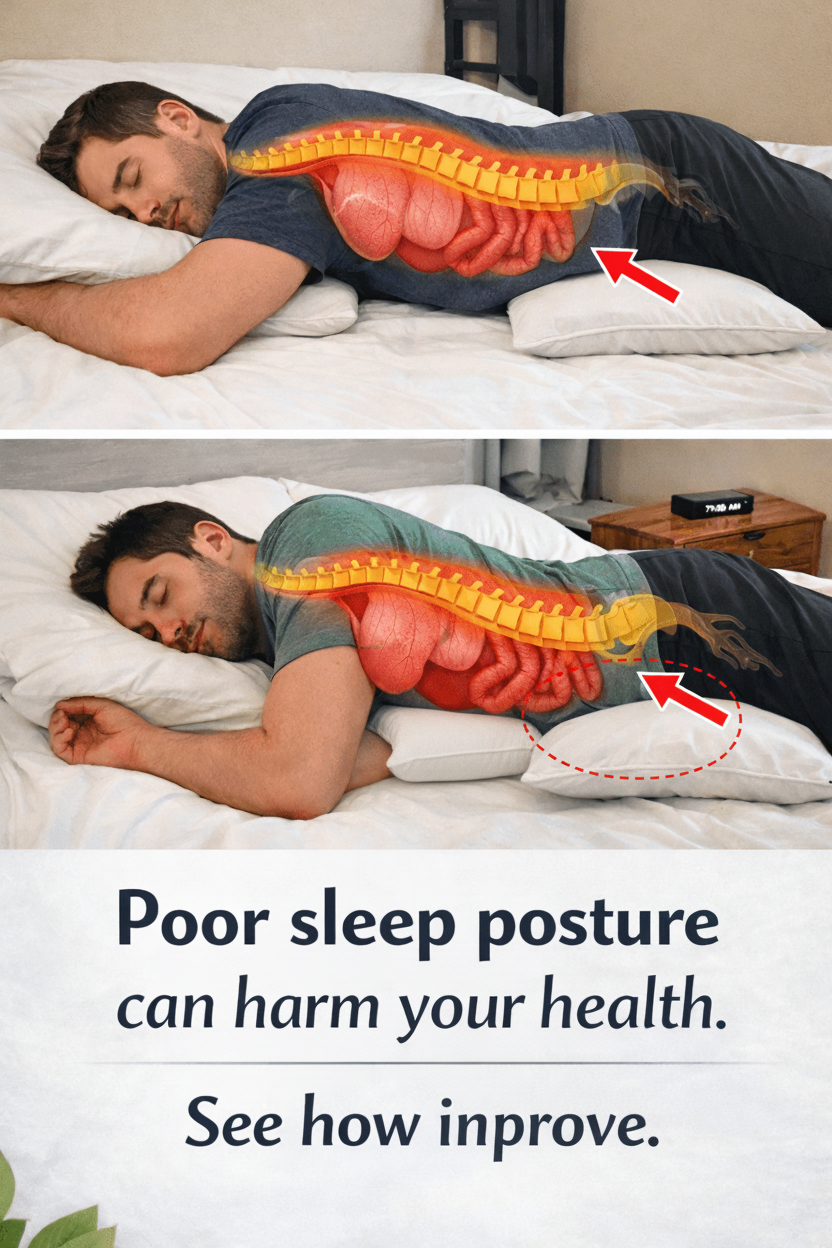
Let’s not mince words: stomach sleeping is often the biggest villain in the sleep posture saga. Over time, this position is a one-way ticket to strain city. You’re usually forced to twist your head to one side for hours on end, which is a recipe for neck pain and a compressed lower back. Your internal organs also taking a beating from all that pressure, and breathing can feel like a chore. Sure, it might feel cozy for a hot minute, but countless people report waking up with epic neck and back stiffness after a night spent belly-down. Most health gurus are united: this is the absolute least supportive option for your long-term spinal health. Avoid it like the plague, folks!
So, here’s the quick and dirty breakdown, just so we’re all on the same page:
- Left Side: Often supports digestion, circulation, and may aid brain waste clearance; highly recommended for pregnancy.
- Right Side: Offers good spinal alignment and open airways; generally better than stomach sleeping, though some may find it less ideal for digestion.
- Back: Can promote straight spinal alignment (with proper support); however, it often exacerbates snoring and potential breathing issues.
- Stomach: The biggest culprit for neck and lower back strain; generally considered the least beneficial for long-term spinal health.
There you have it, folks! Your sleeping position isn’t just a random choice; it’s a powerful lever for your overall health and daily well-being. Don’t underestimate the impact of where and how you lay your head down each night. A few simple tweaks could be the secret to unlocking deeper rest, less pain, and more vibrant mornings. It’s time to take control of your sleep!
Thanks for sticking with us and diving deep into the world of sleep posture! We’re always here to arm you with the knowledge you need to live your best life. Want more insider tips on boosting your health and comfort? Don’t be a stranger! Explore more game-changing articles right here on dogpjs.com. Your journey to a healthier, happier you starts now!