 By admin
 Alright, listen up! You just started popping those amlodipine pills, maybe to keep your blood pressure in check or kick that chest pain to the curb. Good for you, taking charge! But then BAM! You’re hit with weird stuff like ankles swelling up like balloons or feeling like a zombie all day. Sound familiar?
Let’s be real, feeling like crap when you’re trying to get healthy is a total buzzkill. It’s frustrating, demoralizing, and frankly, it just sucks. But here’s the kicker: understanding what’s *actually* going on inside your body? That’s your secret weapon. It cuts through the worry and puts you back in the driver’s seat.
But hold on a second, because most people totally miss this one crucial detail: there’s a sneaky side effect that ambushes users out of nowhere. We’re saving that bombshell for the grand finale, so stick with us – you absolutely don’t want to miss it.
A Quick Look at How Amlodipine Works – The Lowdown
So, what’s the deal with amlodipine? Think of it as your blood vessel’s chill pill. It’s part of the “calcium channel blocker” crew, and its job is to make your blood vessels relax and widen. More room means blood flows smoother, keeping that blood pressure happy. Simple, right?
Now, according to the big guns like the FDA and all those fancy clinical studies, amlodipine is usually pretty chill itself – “generally well-tolerated,” they say. But don’t get it twisted, even the best meds can throw you a curveball. Mayo Clinic and WebMD confirm most reactions are mild and often peace out as your body gets used to the drug in the first few weeks.
But here’s the deal, folks: the real power move is knowing these common amlodipine side effects *before* they hit you. That way, you can march straight to your healthcare provider, armed with info, and have a real talk. No more guessing games, no more being blindsided.
The Top 12 Amlodipine Side Effects Explained – Your Essential Battle Plan
Alright, strap in. We’re about to spill the tea on the 12 most reported amlodipine side effects from clinical trials and real-world patient confessions. We’ll break down why they happen and, more importantly, what you can do about ’em *right now*. Let’s get to it.
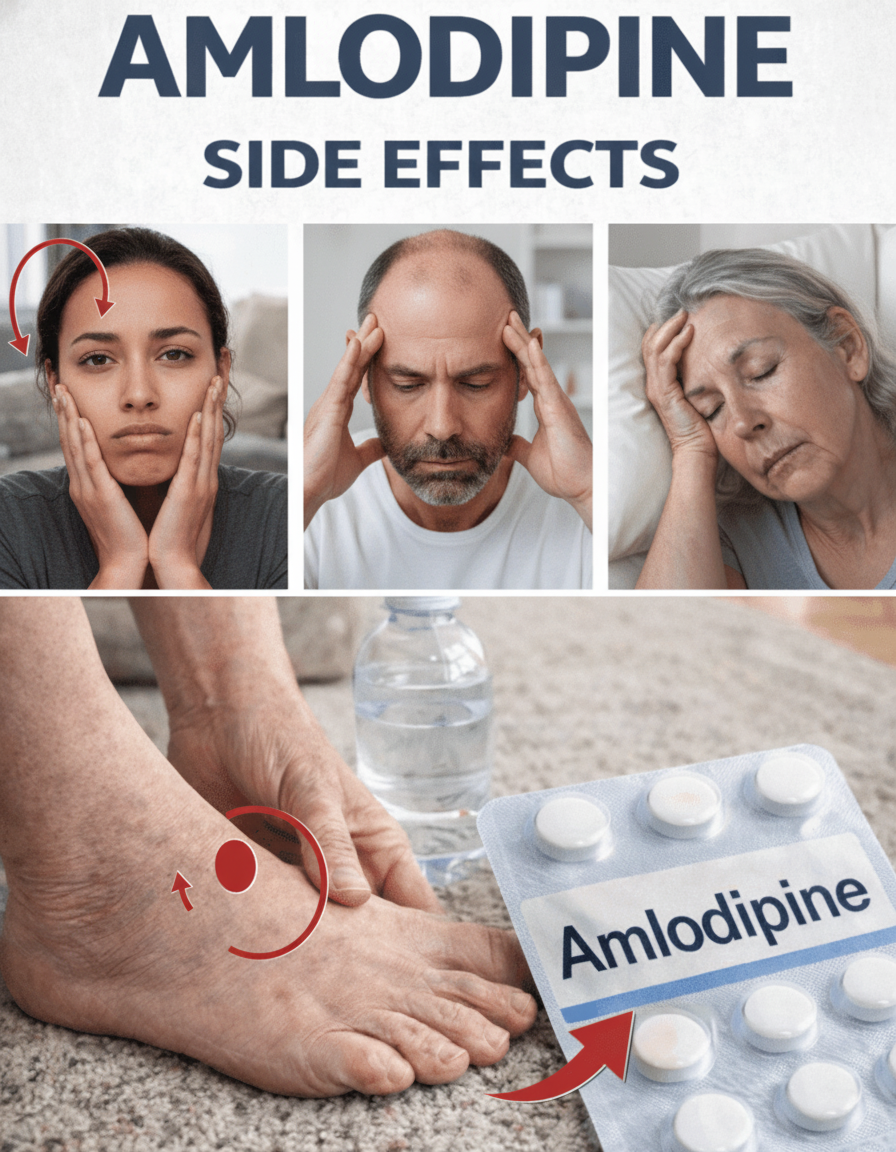
1. Swelling in the Ankles and Feet (Edema) – The Puffy Problem
This one’s a classic, hitting up to 14% of you out there, according to FDA data. What’s going on? Amlodipine makes those tiny blood vessels in your lower legs loosen up a bit *too* much, letting fluid leak out and turn your ankles into mini-balloons. Annoying, we know.
What you can do right now: Don’t just sit there! Elevate those feet above your heart for 30 minutes, a few times a day. Cut back on the salty stuff – seriously, it makes it worse. And if your doc gives the thumbs up, snag some compression socks. Most people see this puffiness pack its bags within weeks. Get on it!
2. Headaches – The Brain Buster
First week on amlodipine? Expect a few head-thumpers. Your blood vessels are still figuring out their new relaxed vibe. Studies mentioned in the prescribing info say about 7% of people get these, but they usually bail pretty quick.
Quick tip: Hydrate like your life depends on it, find a quiet spot to chill, and if you’re thinking about popping an OTC painkiller, ALWAYS check with your pharmacist first. Don’t be a hero.
3. Dizziness or Lightheadedness – The Wobbles
Ever stand up too fast and feel like the room’s doing a spin? That’s your blood pressure taking a slight dip. The Mayo Clinic flags this as a less common but definitely noticeable amlodipine effect. Not cool when you’re trying to keep your balance.
Action step: Take it slow, champ! Rise gradually from sitting or lying down. And seriously, keep a glass of water by your bed. Hydration is key to keeping those wobbles at bay.
4. Facial Flushing or Warmth – The Hot Flash Look
Suddenly feeling like your face, neck, or chest is on fire, all red and warm? That’s your blood vessels near the skin doing their dilation dance. Clinical trials report this in up to 3% of users. It’s not a good look, trust us.
Easy fix: Ditch the hot showers, spicy foods, and booze – they’re just fuel to the fire. Good news: most folks find this fiery feeling cools down over time.
5. Fatigue and Excessive Tiredness – The Energy Drain
Feeling like you’ve run a marathon when you’ve just been sitting? That unusual tiredness or sleepiness is a common amlodipine side effect. Your body’s working overtime to adjust to that lower blood pressure. WebMD and MedlinePlus are practically shouting about this one.
What helps: Get your sleep schedule locked down, eat proper meals with protein (no junk food binges!), and if your doc says it’s cool, squeeze in some short walks. Get moving, even if it’s just a little!
6. Heart Palpitations or Pounding Heartbeat – The Drum Solo
Some people get this weird sensation of their heart doing a drum solo – racing, skipping beats, just generally acting up. It happens because amlodipine can slightly tweak your heart rhythm, especially at higher doses (about 4% of patients, says the FDA label).
When to act: Don’t just shrug it off. Start tracking *when* these heart theatrics happen and spill the beans at your next doctor’s visit. They might need to adjust your dose to calm things down.
7. Nausea or Stomach Upset – The Gut Grumbles
A little tummy trouble or nausea can pop up early on. Research shows this amlodipine side effect affects a small percentage of users and usually doesn’t stick around long. Still, no one likes a grumpy gut.
Simple relief: Pop your dose with food. Eat smaller meals throughout the day. And for crying out loud, don’t lie down right after eating. Give your stomach a chance to do its thing.
8. Abdominal Pain or Digestive Changes – The Tummy Twist
Some folks report mild cramps or weird shifts in their bathroom routine. The prescribing info notes this amlodipine side effect as less common but absolutely worth keeping an eye on. Your gut health is no joke!
Helpful habit: Gradually add more fiber-rich foods to your diet – think fruits, veggies, whole grains. And keep that body moving! A little activity goes a long way for happy digestion.
9. Gum Swelling (Gingival Hyperplasia) – The Gummy Glitch
Okay, this one’s a bit of a dark horse, not many people talk about it. We’re talking about gum tissue growing a bit too much in a small number of people using amlodipine. Long-term studies point this out. You don’t want your gums looking like they’re trying to eat your teeth!
Prevention tip: Don’t be lazy! Brush and floss twice daily like your dentist preaches. And for the love of all that is holy, schedule those cleanings every six months. Catch this early, save your smile.
10. Muscle Cramps or Stiffness – The Body Lock-Up
Ever get those random cramps in your legs or arms, or feel stiff for no reason? This can pop up due to changes in blood flow or electrolyte imbalances caused by amlodipine. Patient reports and clinical data confirm it.
There you have it – the real talk on some of the most common amlodipine side effects. While we promised you 12 and a big surprise, remember that understanding *any* of these changes is your first step to feeling better. Your health journey is personal, and being informed is your superpower. Don’t let these potential hiccups derail your progress!
We hope this deep dive has armed you with the knowledge you need to navigate your amlodipine journey like a pro. Your well-being is our top priority, and we’re always here to serve you with quality, no-nonsense info. Keep exploring our site for more life-changing health tips and insights!