 By admin
 Alright, let’s be real. You’ve probably reached for that spicy ginger tea, maybe after a feast, thinking it’s your go-to for a happy gut and a little energy kick. But then, bam! Instead of feeling like a million bucks, a weird burn starts creeping up your chest, or you’re dragging ass by afternoon. For millions of us, tossing ginger into everything – smoothies, stir-fries, or popping supplements – these little “surprises” aren’t just minor inconveniences. They can totally screw up your sleep, mess with your work, and just make you feel generally crap.
Now, don’t freak out just yet! The good news is, a few simple facts can save your bacon and let you enjoy your ginger fix without those nasty surprises. This potent root has been a kitchen superstar and a wellness warrior for ages, famous for calming a cranky gut and boosting your daily vibe. But here’s the kicker: using it daily? Not always as straightforward as you’d think. Even big shots like the National Center for Complementary and Integrative Health (NCCIH) and WebMD spill the tea: while a normal pinch of ginger is usually A-OK, cranking up the dose – especially with those concentrated supplements – can stir up some mild to moderate trouble for certain folks.
And here’s where most of those flimsy online articles drop the ball: that HUGE difference between the ginger in your stir-fry and the concentrated stuff in a pill? That’s the game-changer, folks! So, don’t bail on me now. We’re about to dive deep into exactly what red flags to watch for, who needs to tread extra carefully, and some dead-simple moves you can make today to keep your ginger game strong, balanced, and totally worry-free.
Common Side Effects: What Hits You First (And How to Dodge ‘Em)
Listen up, even folks who are usually fit as a fiddle can hit some annoying snags when they start upping their ginger game. See, those active compounds, especially gingerol, are like little cheerleaders for your digestion and blood flow. Awesome, right? Until your system decides it’s had way too much stimulation and throws a tantrum. WebMD and NCCIH have seen it all, and they point to the usual suspects: that nasty heartburn, a rumbling belly that feels off, a sudden dash to the toilet, or that weird tingle in your mouth and throat. These little nuisances usually pop up when you’re pushing past 5 grams a day, but thankfully, they tend to chill out once you back off.
But hold your horses, that’s just scratching the surface. Here’s the real bombshell that’ll make most of you go, “Aha!” Getting your ginger from actual food – like fresh grated in your tea or recipes – almost always goes down smoother than those concentrated capsules or powders. If your gut’s a bit of a drama queen, and you know you’re sensitive, then for crying out loud, start with tiny amounts. It’ll save you a whole lot of grief.
The Bleeding Risk: Don’t Bleed Yourself Dry Over This!
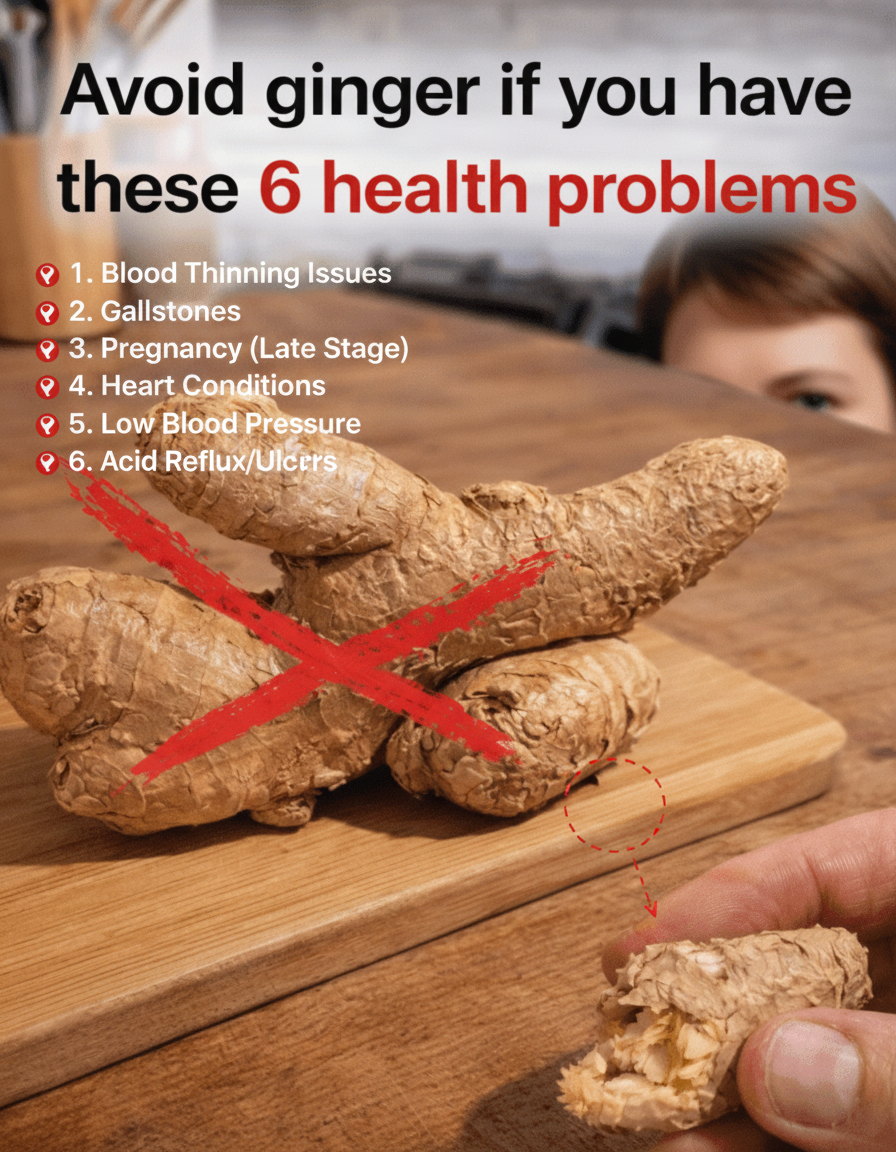
Alright, let’s get serious for a sec. This isn’t just about a little tummy rumble. Ginger has a natural knack for messing with your blood clotting. Yeah, you heard that right. Some of its compounds can gently thin your blood by playing with something called thromboxane. So, if you’re already popping blood-thinning meds – we’re talking big names like warfarin, aspirin, or clopidogrel – you better pay attention! Clinical observations scream “caution!” because ginger can totally butt heads with these drugs. What does that look like? Think easy bruising, cuts that just won’t stop bleeding, or weird shifts in your lab tests that make your doctor raise an eyebrow.
Got surgery coming up, or dealing with a bleeding disorder? Then listen closely: the pros say to hit the brakes on high-dose ginger a good one to two weeks before your procedure. Better safe than sorry, right? But here’s the relief you’ve been waiting for: if you’re just using ginger like a normal human being in your cooking – a little slice in your morning brew, for instance – the risk is practically nada compared to those hardcore concentrated supplements. That one golden nugget of info is a game-changer, letting countless families enjoy their beloved spice without losing sleep over it.
Gallstones & Bile Flow: When Ginger Decides to Stir Up Trouble
So, ginger’s a pretty good guy when it comes to digestion, naturally getting your bile flowing to break down fats. For most of us, that’s a win! But if you’re wrestling with gallstones or have a finicky gallbladder, brace yourself. That “helpful” boost can actually mean more discomfort or nasty cramping for you. Studies pretty much scream that piling on high doses can seriously crank up those symptoms in this crowd. The bottom line is crystal clear: if your gallbladder is already throwing a fit, keep your ginger portions modest and, for goodness sake, pay close attention to how your body reacts after you eat.
Pregnant & Breastfeeding? Don’t Just Wing Your Ginger Intake!
Hey future mamas! We know a lot of you swear by ginger for kicking morning sickness to the curb, and yeah, some studies actually back up low doses (we’re talking up to about 1 gram a day) as a gentle helper in early pregnancy. BUT – and this is a big “BUT” – cranking up the dose closer to delivery has got folks worried about bleeding risks. And for breastfeeding? The info’s still pretty scarce, so don’t just guess. The smartest move, always, is to have a no-nonsense chat with your doctor or midwife. Most pros will tell you that ginger from food is usually fine and dandy, but those concentrated supplements? They need a serious once-over before you even think about them.
Blood Sugar & Diabetes Meds: Ginger’s Sweet (But Tricky) Dance
Now, here’s a real head-scratcher. Ginger can actually be a sneaky little helper for some folks, gently nudging your blood sugar balance and insulin sensitivity in the right direction. Sounds like a dream come true, right? A natural way to keep things steady! But hold on a minute, because this “wonder effect” can quickly turn into a nightmare if you’re not careful, especially if you’re already on diabetes medications. If ginger also lowers your blood sugar, you could be looking at a dangerous drop – we’re talking dizziness, weakness, and even fainting. It’s a classic case of too much of a good thing turning bad.
There you have it, folks! The real lowdown on ginger – a powerhouse spice that deserves respect. It’s not about ditching it entirely, but about being smart, listening to your body, and knowing when to ask for professional advice. Stay informed, stay healthy, and keep that ginger love going, but always with a dash of caution!
Got more questions about herbal remedies or healthy living? Don’t stop here! Dive into our other awesome articles for more tips and tricks to keep you feeling your best. Your health journey is important to us, and we’re here to help you navigate it like a pro.