 By admin
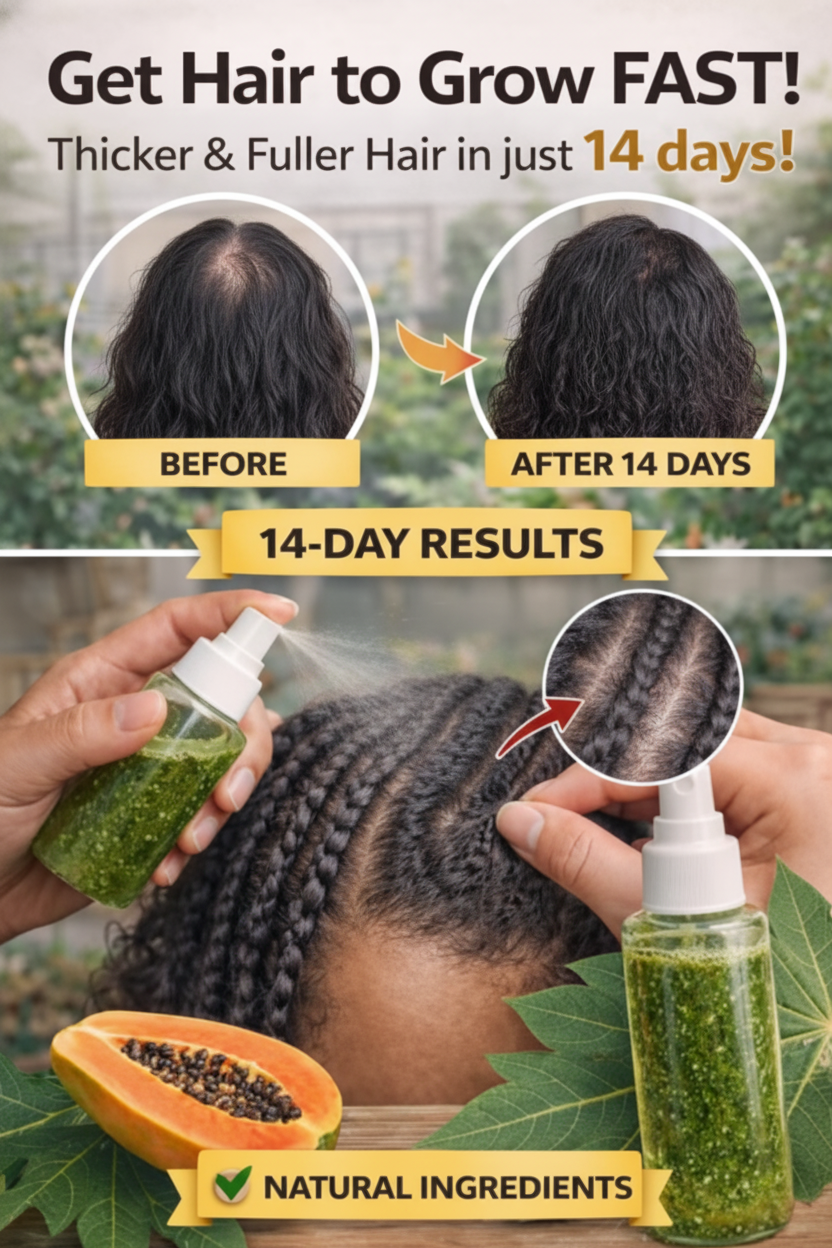
 Another morning, another hair massacre in the shower drain, right? Don’t even try to play it cool – that quiet dread when you see your precious strands swirling away? We’ve all been there. And then you catch a glimpse in the mirror, and BAM! Your scalp’s practically waving hello. It’s not just frustrating; it’s a gut punch, especially when you’ve always rocked that killer look. Now, suddenly, your feed is blowing up with ‘papaya leaf’ as the ultimate ‘natural hack’ for hair growth, and you’re sitting there wondering if you’re the only one missing the secret sauce. Hold up! Because here’s the cold, hard truth: most people are keeping a major secret from you. By the time you finish this, you’ll know exactly what’s really going on and what you should actually be doing instead.
🌿 Papaya Leaf: What’s the Hype, and Are They Selling You a Dream?
So, what’s the deal with these papaya leaves? They’re straight outta tropical trees, the kind folks in hot climates have been using for ages in their grandma’s secret remedies. But lately, these leafy greens have gone viral, touted as the next big thing for your hair and scalp. Why the sudden obsession? Let’s dig in:
- Papain: This bad boy is an enzyme that’s a real protein-buster.
- Antioxidants: Your personal shield against all that environmental crap trying to stress out your hair.
- Vitamins: The essential fuel for healthy skin, which, let’s be real, includes your scalp.
Alright, now pay attention, because this is where the plot thickens. Sure, some people are raving about softer hair, ditching dandruff, and a scalp so clean it practically sparkles after slathering on papaya leaf concoctions. But—and this is a HUGE ‘but’—just because your scalp feels fresh doesn’t magically translate to a Rapunzel-length mane overnight. That, my friends, is the critical detail everyone seems to conveniently forget.
⚠️ Cut the BS: The Unfiltered Truth About Papaya Leaf Hair Growth Claims
Let’s get real for a second, no sugar-coating. If this stuff was a miracle cure for hair loss, trust me, doctors would be screaming it from the rooftops, prescribing it left and right. But guess what? They’re not. While some studies hint that papaya leaf might be decent for keeping your scalp clean – like a good scrub – there’s zero solid, clinical proof it’ll actually sprout new hairs from your head. And here’s the kicker, the part that’ll make you gasp: Papain, that protein-busting enzyme we just talked about? Your hair is made of protein. So, go wild with it, and you might just be weakening your precious strands over time instead of strengthening them. Forget ‘Does it grow hair?’ The real question you should be asking is, ‘Does it create a healthy home for my hair?’ Because that, my friend, is where any actual magic happens.
🧠 So, Why Are People Still Swearing By This Stuff? (Spoiler: It’s Not What You Think)
Okay, I can practically hear you thinking, ‘If it’s not a hair growth potion, why are all these folks going on about it like it’s the holy grail?’ Valid question! Here’s the lowdown on why some people think it’s working wonders:
- A Squeaky-Clean Scalp: Those papaya leaf concoctions can be pretty good at scrubbing away gunk, oil, and those pesky flakes. And hey, a clean scalp always makes your hair look thicker, even if it’s just an optical illusion.
- Chill Out, Scalp: Some of the natural goodness in there might soothe minor scalp annoyances, making your head feel better day-to-day. Comfort, not growth.
- Instant Glow-Up (Temporary): Hair that’s shiny and soft just looks healthier and fuller, right? Even if you haven’t sprouted a single new strand. But here’s the deal: these ‘improvements’ are usually just skin-deep, cosmetic touches, not actual structural changes. And if you’re serious about long-term hair health, that’s a distinction you cannot ignore.
🚨 Warning! The Nasty Side Effects Most People Are GLAD You Don’t Know About
Before you dive headfirst into the next viral hair trend, just hold your horses for a hot minute. Because ‘natural’ doesn’t automatically mean ‘safe and gentle,’ especially when it comes to your precious scalp. Here’s what could go sideways:
- Skin Freak-Outs: Especially if your scalp is a diva, prone to sensitivity.
- Allergic Bomb: That papain enzyme? Some folks’ bodies just say ‘nope!’ and throw an allergic fit.
- Desert Hair: Go overboard, and you might end up with hair so dry and brittle it feels like straw.
- Hair Hangover: Remember that protein-busting enzyme? Over time, it can actually weaken your hair’s core structure.
And here’s the real kicker, the mistake everyone makes: they think ‘more is better.’ But with enzyme-based stuff, pushing it too hard is a surefire way to shoot yourself in the foot. Trust me, you’ll regret it later.
📊 Papaya Leaf vs. The Stuff That Actually Works: A Reality Check
Let’s put things into perspective with a simple comparison:
| Habit or Method | What It Actually Does | Evidence Level |
|---|---|---|
| Papaya leaf rinse | Cleans scalp, might cut down on gunk | Limited |
| Gentle scalp massage | Boosts blood flow (for a bit) | Moderate |
| Balanced nutrition | Feeds your hair from the inside out | Strong |
| Reducing heat styling | Stops breakage and damage | Strong |
| Stress management | Keeps your hair cycle on track | Moderate |
So, what’s the bottom line here? Sure, papaya leaf can be a little sidekick in your routine. But for the love of all that is holy, don’t ever let it replace the fundamental, tried-and-true habits that *actually* make a difference for your hair.
✅ Still Curious? Here’s How to Play It Smart (and Safe) with Papaya Leaf
Okay, okay, I get it. The curiosity is still gnawing at you. Totally understandable. So, if you absolutely must try it, let’s do this the smart way, the safe way. No cowboy antics! Here’s your step-by-step survival guide:
Step by step guide
- Step 1: Grab those fresh papaya leaves and give ’em a good, thorough wash. No dirt allowed!
- Step 2: Toss ’em in water and boil for about 10 to 15 minutes. Think of it as making a potent tea.
- Step 3: Let that liquid chill out completely. Don’t go burning your scalp!
- Step 4: Strain out the leaves and use the liquid as a light rinse after you’ve shampooed. We’re talking a gentle splash, not a full-on drench.
- Step 5: Don’t leave it on forever! Rinse it off after just a few minutes.
Crucial Safety Rules (Seriously, Don’t Skip These):
- Patch Test, Always: Before you go sloshing it all over your head, dab a tiny bit on a small skin patch first. Better safe than sorry, right?
- Keep It Light: Once or twice a week, max. This isn’t your daily conditioner.
- Bail Out Fast: If you feel any irritation, burning, or weirdness, STOP. Immediately. Your scalp will thank you.
And here’s the golden rule, the one you absolutely MUST engrave in your brain: Slow and steady, gentle care will *always* win the race over aggressive, desperate experiments. Every. Single. Time.
🧓 A Straight Talk from a Doctor’s Perspective
Look, as someone who’s seen it all in the clinic, I can tell you this: I’ve watched countless folks chase every ‘miracle cure’ under the sun, often because they’re feeling a real punch to the gut about their thinning hair. The siren song of ‘natural fixes’ is powerful, I get it. But here’s the unvarnished truth: real, lasting hair health isn’t some magic trick you find online. It’s built on solid, consistent habits and what we *know* works, not just wishful thinking. So, if you’re truly worried about your hair, ditch the guesswork. Talk to a pro. Your hair isn’t just hair; it’s part of you. Treat it with the respect and real care it deserves.
Thanks for sticking with us and getting the real scoop on papaya leaf for hair growth. We hope this no-nonsense guide helps you make the best choices for your hair health journey. Don’t stop here! Dive into more of our expert articles for actionable tips and proven strategies to keep your hair looking its absolute best. Your gorgeous locks deserve nothing less!