 By admin
 10 Breast Cancer Warning Signs You Should Never Ignore: Stay Aware and Proactive
Alright, let’s get real. You’ve felt it, haven’t you? That nagging feeling that something’s just *off* with your breast – maybe a weird texture, or one side looking a bit different than the other. That quiet worry? Yeah, it starts to creep in, and it’s totally normal to feel a bit freaked out. Life’s a whirlwind, and it’s easy to shrug off minor changes, thinking, “Nah, it’s probably nothing.” But here’s the harsh truth: brushing off those persistent shifts can be a massive mistake, potentially changing everything about how quickly you can tackle any issue. The good news, the real power move, is knowing your own body. That awareness lets you act fast, with confidence, and potentially save your own damn life. So, don’t bail now! Keep reading, because by the end, I’m gonna hit you with one simple monthly habit that takes just minutes and can help you spot trouble before it turns into a full-blown nightmare.
Why Knowing Breast Changes Matters More Than Ever
Look, breast tissue is a wild card – it morphs with hormones, age, and all of life’s crazy stages. But certain changes, especially if they stick around, demand your immediate attention from a healthcare pro. Big shots like the CDC, American Cancer Society, and Mayo Clinic aren’t just spitting hot air; they hammer home that knowing your own damn breasts is your absolute best weapon for early detection. Research shows tons of breast changes are totally harmless (phew!), but being clued in on what’s normal for *your* body gives you peace of mind and makes sure you get checked out when it actually matters. But hold up, that’s only half the story…
The Most Common Warning Signs to Watch For
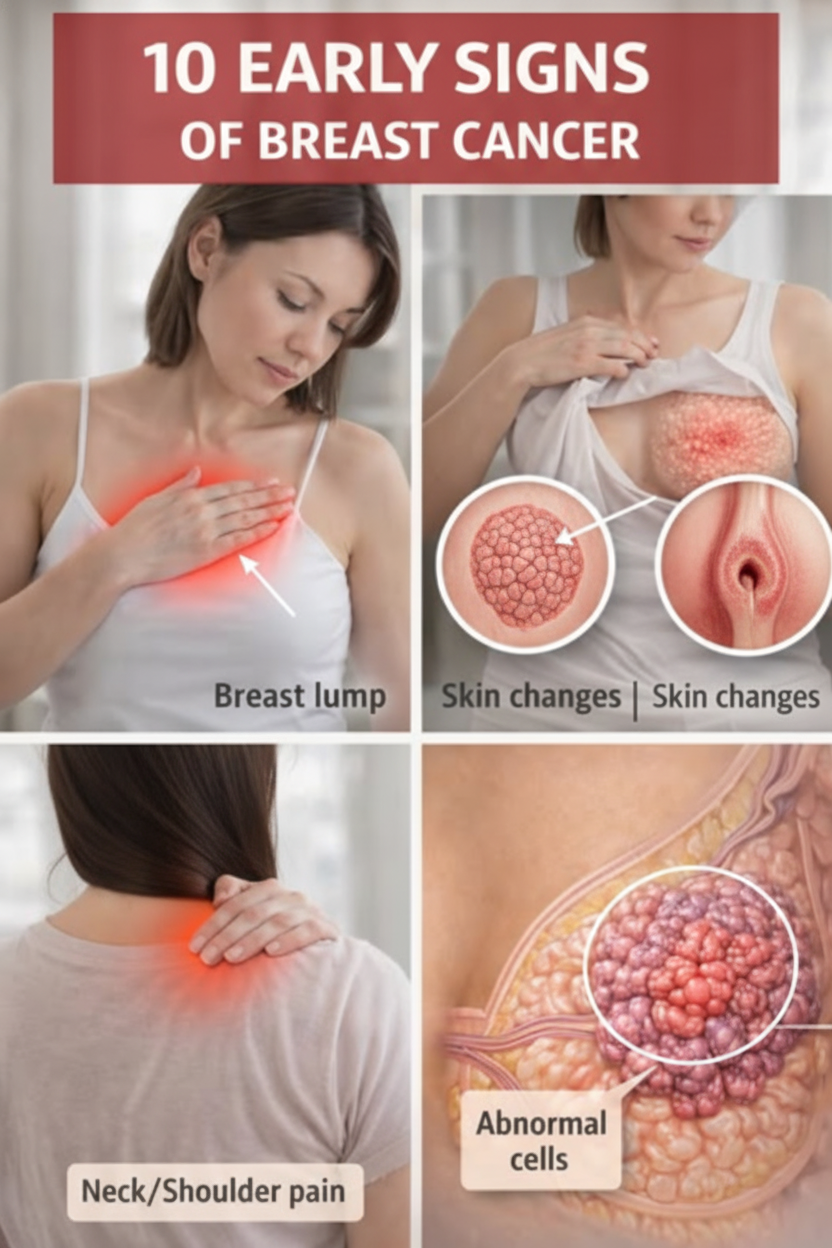
Listen up, because these aren’t just suggestions; these are your red flags, your emergency alarms. Here are 10 crucial changes, straight from the horse’s mouth – sources like the American Cancer Society, CDC, and Mayo Clinic, so you know it’s legit:
- New lump or mass in the breast or underarm — This is often the first thing people notice. It might feel hard, not hurt at all, or be all lumpy and irregular, but textures can definitely vary.
- Thickening or swelling in part of the breast — Even if there’s no obvious lump, one area might just feel denser or fuller than usual.
- Skin dimpling, puckering, or irritation — Sometimes this looks like the skin of an orange peel. Don’t ignore it!
- Redness, flakiness, or scaling on breast or nipple skin — We’re talking persistent changes here, not just a bit of temporary dry skin.
- Nipple turning inward (retraction) — If your nipple used to point out, and now it’s pulled in, that’s a serious red flag.
- Nipple pain or tenderness — Ongoing discomfort right in the nipple area isn’t normal.
- Unusual nipple discharge — Especially if it’s bloody, clear, or just comes out without you squeezing (and it’s definitely not milk-related).
- Change in breast size or shape — If one breast suddenly changes size or shape, or they just look totally different from each other.
- Breast or nipple skin changes like thickening or rash — This includes any crusting or weirdness around the nipple.
- Persistent breast pain — While it’s less common as the *only* sign, if you’ve got ongoing, unexplained discomfort, get it checked out.
Heads up: these signs can show up differently for everyone, and some folks don’t even notice any of them early on. That’s why you gotta be vigilant!
Why These Changes Happen and What Research Shows
Your breast tissue is a slave to your hormones, and honestly, most lumps you find turn out to be harmless stuff like cysts or fibroadenomas. Studies shout it from the rooftops: paying attention to persistent changes, and getting them checked out early, leads to way better outcomes. The American Cancer Society confirms that most breast lumps aren’t cancer, but here’s the kicker – ANY new or changing lump needs to be looked at, pronto. Now, for the part that might make you breathe a little easier…
How to Perform a Simple Monthly Breast Self-Check (Step-by-Step)
This ain’t rocket science, folks. Just 5–10 minutes a month, ideally after your period, or on the same day each month if you’re past menopause. It could literally save your damn life.
- Stand in front of a mirror — First, arms at your sides, then raise them overhead. What are you looking for? Any visible changes in shape, size, or skin.
- Lie down — Pop a pillow under one shoulder. Use the flat pads of your opposite hand’s fingers. Gently press in small circular motions, starting from the outer edges and working your way to the nipple.
- Check underarms — While standing or lying down, feel around your armpits for any lumps.
- Squeeze nipple gently — Just a light squeeze. Note if any discharge comes out.
- Repeat on other side — Do the exact same thing on your other breast. Compare them.
- Note anything new — Found something? Jot it down or even snap a pic for your doctor. Don’t just forget it!
- Schedule regular screenings — Mammograms are crucial, usually starting around age 40–50 depending on guidelines (talk to your doctor about *your* schedule).
This simple habit helps you know your baseline, your ‘normal.’ So when something’s off, you’ll know it.
Quick Comparison: Common Benign vs. Potentially Concerning Changes
Let’s cut through the noise. Most changes are nothing to lose sleep over, but some? They’re a full-blown emergency. Here’s a quick rundown:
| Change Type | Often Benign Examples | When to Seek Prompt Check-Up |
|---|---|---|
| Lump or thickening | Cyst, fibroadenoma, hormonal swelling | New, persistent, hard/irregular, one-sided |
| Skin changes | Temporary dryness, irritation | Dimpling, redness, orange-peel look lasting |
| Nipple discharge | Pregnancy/breastfeeding related | Spontaneous, bloody, one-sided, non-milky |
| Pain | Cyclical hormonal pain | Persistent, localized, unrelated to cycle |
| Size/shape shift | Weight changes, aging | Sudden, unexplained, one breast only |
Yeah, most changes are benign, but let me be crystal clear: *persistence* is the name of the game. If it sticks around, you get it checked.
Additional Tips for Staying Proactive About Breast Health
Don’t just stop at self-checks. This is your life we’re talking about, so go all in:
Maintain regular clinical exams and mammograms as recommended. Know your family history—it’s a critical piece of your health puzzle, so discuss it openly with your doctor. Limit alcohol, stay active, and maintain a healthy weight. These aren’t just good for your breasts, they’re good for your whole damn body.
Alright, warrior, you’ve got the knowledge now. Don’t just read it, *live it*. Your health is your wealth, and being proactive is your superpower. Stay vigilant, stay strong, and keep fighting for your well-being. For more badass tips and essential health insights, don’t hesitate to dive into our other articles right here on the site. We’re always here to arm you with the info you need to thrive!