 By admin
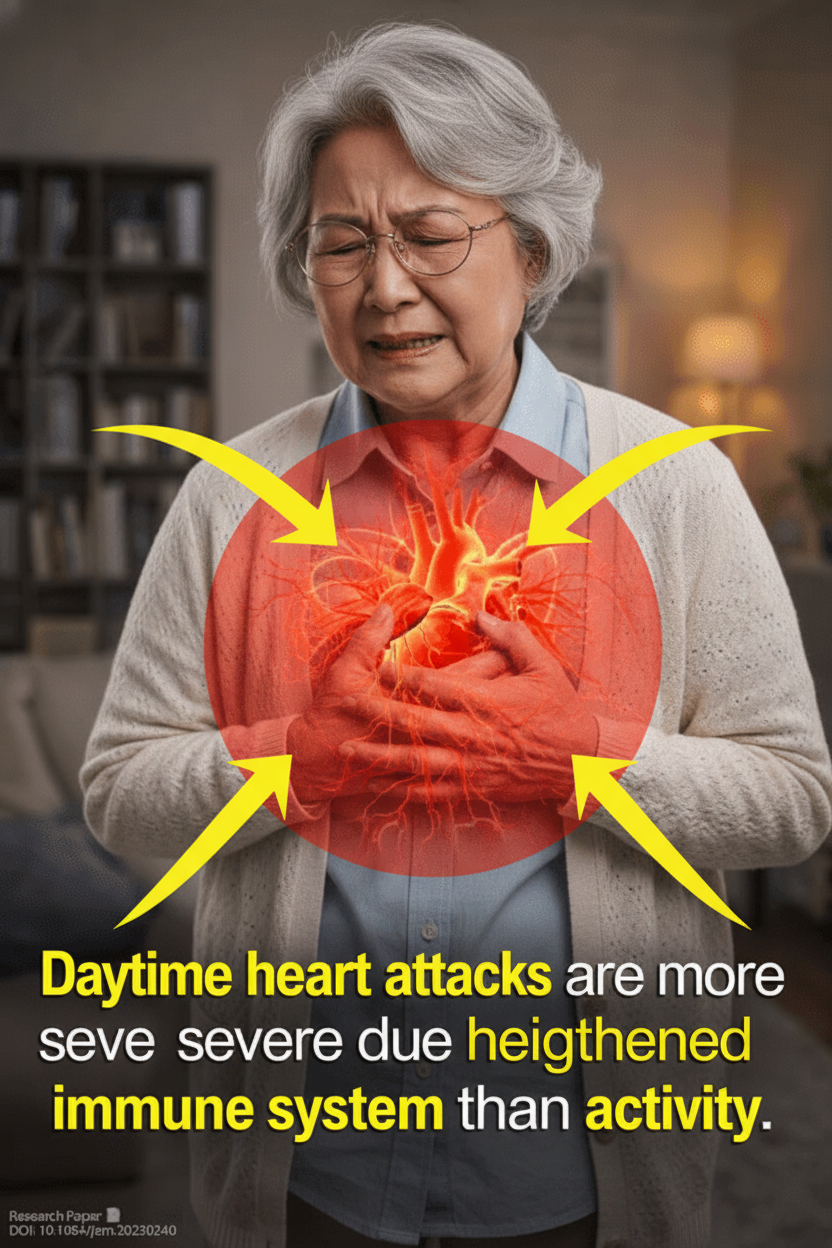
 Imagine this nightmare scenario: you’re just chilling at the breakfast table, sipping your morning brew, when BAM! A crushing pressure slams into your chest. You try to play it cool, thinking it’s just some bad indigestion, but the agony ratchets up. Here’s the brutal truth, folks: heart attacks that ambush you during the day can actually wreck more havoc than those sneaky ones that strike at night. What in the world is behind this hidden danger, and how can you shield yourself from it?
Stick with me—because you’re about to uncover a shocking factor that even the top docs are scrutinizing, and a game-changing tip that could literally save your heart. Don’t scroll past this, your future self will thank you!
How Your Immune System Can Turn Against Your Heart – Seriously!
When a heart attack goes down, your body’s emergency crew, specifically these immune cells called neutrophils, go tearing toward the injured tissue. Think of them like a SWAT team rushing to a critical incident. But here’s the kicker, the dirty little secret: these neutrophils are clock-watchers. They follow a circadian rhythm, an internal timer that totally dictates their behavior.
- Daytime: These neutrophils are hyped up, aggressive, and unleash a full-blown inflammatory assault. They’re basically on a warpath!
- Nighttime: Our nocturnal neutrophils are chiller, more controlled, and smart enough to limit the collateral damage to your healthy heart tissue. They know how to keep it together.
Research screams it loud and clear: patients getting slammed by heart attacks during the day are rocking higher neutrophil levels and suffering way more heart tissue damage than their nighttime counterparts. And get this – even experiments on mice confirmed this pattern: triggering a heart attack when the sun was up led to absolutely worse outcomes. This ain’t no coincidence, people!
Why This Matters to You – It’s Not Just Lab Mumbo Jumbo!
Listen up! This isn’t just some fancy lab finding that only scientists care about. This groundbreaking discovery helps us understand why some unlucky souls face brutal complications after a daytime heart attack. See, inflammation is a double-edged sword: it’s crucial for patching things up, but too much of it? That just pours gasoline on the fire, making the injury a thousand times worse.
Quick comparison, because you need to see this:
| Time of Day | Neutrophil Activity | Heart Damage Risk |
|---|---|---|
| Daytime | High, aggressive | Higher |
| Nighttime | Low, controlled | Lower |
But hold up, there’s more! Researchers are also busting their butts exploring ways to trick these neutrophils into a “nighttime mode” during the day. Guess what? In animal studies, this little maneuver actually slashed heart damage. Imagine that – turning off the attack mode!
Everyday Habits That Can Worsen Daytime Heart Stress – You’re Sabotaging Yourself!
Here’s where many of us are unknowingly digging our own graves. Pay attention, because these habits are pure poison for your heart:
- Skipping breakfast or gorging on high-sugar crap in the morning? That’s a direct ticket to spiking your stress hormones through the roof.
- Stuck to your chair for hours on end without even a wiggle? Hello, inflammation party!
- Brushing off those early warning signs—a weird chest tightness, feeling wiped out for no reason, shortness of breath? That’s like ignoring a fire alarm!
These aren’t just minor annoyances; these habits don’t just chip away at your heart’s overall health—they could seriously amplify the damage if a daytime heart attack decides to rear its ugly head. Stop playing games with your life!
Actionable Morning Tips: Your Secret Weapons for Heart Resilience!
You don’t need to flip your life upside down overnight, but small, smart moves in the morning can build an impenetrable fortress around your heart. Get ready to arm yourself:
- Gentle movement: Even a measly 5-minute stretch or a quick stroll after rolling out of bed can get that blood flowing like a champ. Get moving!
- Balanced breakfast: Protein + fiber is your dynamic duo. It keeps your blood sugar steady, taking a huge load off your heart. Ditch the sugary garbage!
- Stress check-in: A few deep breaths or a quick meditation session can slash cortisol levels, which otherwise fuels inflammation like crazy. Chill out, literally.
- Know your numbers: Keep tabs on your blood pressure, cholesterol, and glucose. This is non-negotiable, especially if you’re over 60. Ignorance is NOT bliss here!
Remember, these actions aren’t a magic shield against a heart attack—nobody can promise that—but they absolutely reduce the overall strain and stress on your entire cardiovascular system. Give your heart a fighting chance!
Can Timing Affect Recovery? – This Will Blow Your Mind!
Here’s the part most people are totally clueless about: the exact time of day a heart attack strikes can actually dictate your recovery journey. And guess what? Our old friends, the neutrophils, are partly to blame. Researchers are currently going all-in on approaches like:
- Genetic or drug interventions to temporarily calm those hyperactive neutrophils down. Think of it as a tranquilizer for your immune system.
- Lifestyle adjustments that cleverly mimic “nighttime” immune patterns: consistent, quality sleep, moderate intensity morning exercise (don’t go crazy!), and smart, anti-inflammatory diet choices.
The cold, hard truth is, while human treatments are still under intense scrutiny, just wrapping our heads around this daily rhythm gives doctors a brand-new lens for planning both prevention strategies and kickass recovery plans. Knowledge is power, people!
Quick Morning vs. Night Routine Comparison – Get It Straight!
| Habit | Morning Impact | Night Impact |
|---|---|---|
| Sleep consistency | Sets neutrophil clock | Helps recovery overnight |
| Breakfast quality | Stabilizes blood sugar | Less critical |
| Morning activity | Reduces inflammation potential | Less impactful |
How to Spot Trouble Early – No Time for Dilly-Dallying!
Even with all this cutting-edge knowledge, recognizing trouble the second it hits is absolutely crucial. Don’t play hero, don’t wait it out. Signs of a possible heart issue are screaming at you:
- Chest discomfort or pressure that just won’t quit, like an elephant sitting on your chest.
- Unexplained shortness of breath, feeling like you just ran a marathon when you haven’t moved.
- Sweating like crazy, nausea, or feeling lightheaded for no damn reason.
- Sudden, crushing fatigue or dizziness that knocks you off your feet.
If you notice any of these red flags, drop everything and seek help immediately. Seriously, call 911 or get to the emergency room. Don’t wait—that split second can literally be the difference between life and death. Your life is on the line, act like it!
FAQs About Daytime Heart Attacks – Get Your Answers Straight!
Q1: Are daytime heart attacks more common than nighttime ones?
A: Heart attacks can hit at any time, day or night, but the research is crystal clear: daytime attacks tend to cause more tissue damage. Why? Because those aggressive immune responses are at their peak during the day. It’s not about frequency, it’s about ferocity!
Q2: Can I change my neutrophil activity with lifestyle?
A: While you can’t snap your fingers and directly control your neutrophils like a puppet master, you CAN absolutely influence your body’s overall inflammatory response and support your immune system through smart lifestyle choices. Consistent sleep, a balanced diet, and regular, moderate exercise are your best bets for keeping those neutrophils in check and your heart happy. Don’t underestimate the power of your daily habits!
Alright, heart warriors, that’s the lowdown on why daytime heart attacks are no joke. We’ve dropped some serious knowledge bombs today, and your heart deserves all the love and protection you can give it. Don’t just read this—LIVE it!
Want more insider tips and life-saving info to keep you thriving? Don’t be a stranger! Dive deeper into our other incredible articles right here on dogpjs.com. Your journey to a healthier, happier life starts now!