 By admin
 Hold Up! Is YOUR Daily Vitamin Secretly a Blood Clot Time Bomb for Seniors? The NO-BS Truth You NEED to Hear!
Ever been chilling at your breakfast table, popping that same old vitamin you’ve trusted for years, when suddenly BAM! A wave of worry hits you like a brick? You saw some online headline screaming that your innocent pill could be causing dangerous blood clots. Talk about a gut punch! It’s unsettling, even a bit embarrassing, to realize a routine you thought was rock-solid might actually be a ticking time bomb. But hold up, don’t hit the panic button just yet. Most of that online noise? Pure garbage. There’s a whole lot to unpack before you go spiraling into a panic attack.
In this no-nonsense article, I’m going to spill the real tea on what the actual research says, expose why some claims go viral faster than a cat video, and lay out exactly what you need to do to stay safe. By the time we’re done, you’ll uncover crucial insights most seniors don’t know about their supplements – so keep your eyes glued to this page!
Why Seniors Are Targeted by Supplement Warnings
Why do these fearmongers always target our elders? Simple: most viral claims about vitamins focus on older adults because this group takes supplements more regularly than anyone else. And guess what? Scaring the living daylights out of you works! The problem is, this fear-based messaging can cause unnecessary stress and anxiety, especially when it’s totally unfounded. Studies spill the beans: seniors often:
- Take multiple vitamins or over-the-counter supplements daily.
- Are on prescription medications that may interact with certain supplements.
- Are more susceptible to anxiety from alarming headlines.
But don’t you dare think your morning vitamin automatically puts you at risk. The real story? It’s way more twisted than that, and the truth is much subtler.
The Real Risk Factors for Blood Clots
Forget the online chatter and the clickbait garbage. If you wanna talk *real* blood clot dangers for seniors, listen up. Science ain’t playing games. Here’s the cold, hard truth, backed by actual studies, identifying what truly contributes to blood clots:
| Risk Factor | How It Affects Clotting | Notes |
|---|---|---|
| Atrial fibrillation | Irregular heartbeat can lead to clots in the heart | Requires medical monitoring |
| Sedentary lifestyle | Blood circulation slows, increasing clot risk | Simple daily walks help |
| High blood pressure | Damages blood vessels, promoting clot formation | Routine BP checks advised |
| Smoking | Thickens blood and irritates vessels | Quitting significantly lowers risk |
| Certain medications | Especially hormone therapy or blood thinners | Always review with your doctor |
See that? Notice anything glaringly missing from this lineup of doom?
Yeah, you guessed it! Standard vitamins taken at recommended doses do not appear on this list. Let that sink in for a minute.
Common Vitamins and What Research Actually Says
Those drama queens online screaming about popular vitamins causing “strokes overnight”? They’re full of it. Science paints a completely different picture. Let’s unmask the myths and get to the facts about what research *actually* says:
- Vitamin D: Your bones *crave* this stuff, and let’s be real, deficiency is common in older adults. But blood clots? Nah, not when you’re popping the right dose. Zip, zero, nada evidence shows it causes blood clots at normal doses.
- Vitamin B12: Good for your nerve health and blood formation. Take it as directed, and you’re golden. Safe when taken as prescribed, with no drama here.
- Vitamin E: Okay, *here’s* where it gets tricky, but listen closely: *high doses* of Vitamin E may interact with blood-thinning medications, which *could* alter clotting. This is dose-dependent, not some sudden overnight risk. Don’t get it twisted!
Listen up, folks on prescription medications! If you’re popping pills for your heart or thinning your blood, you *better* be talking to your healthcare provider before adding *any* new supplements. Seriously, don’t play hero – especially if taking blood thinners or heart medications.
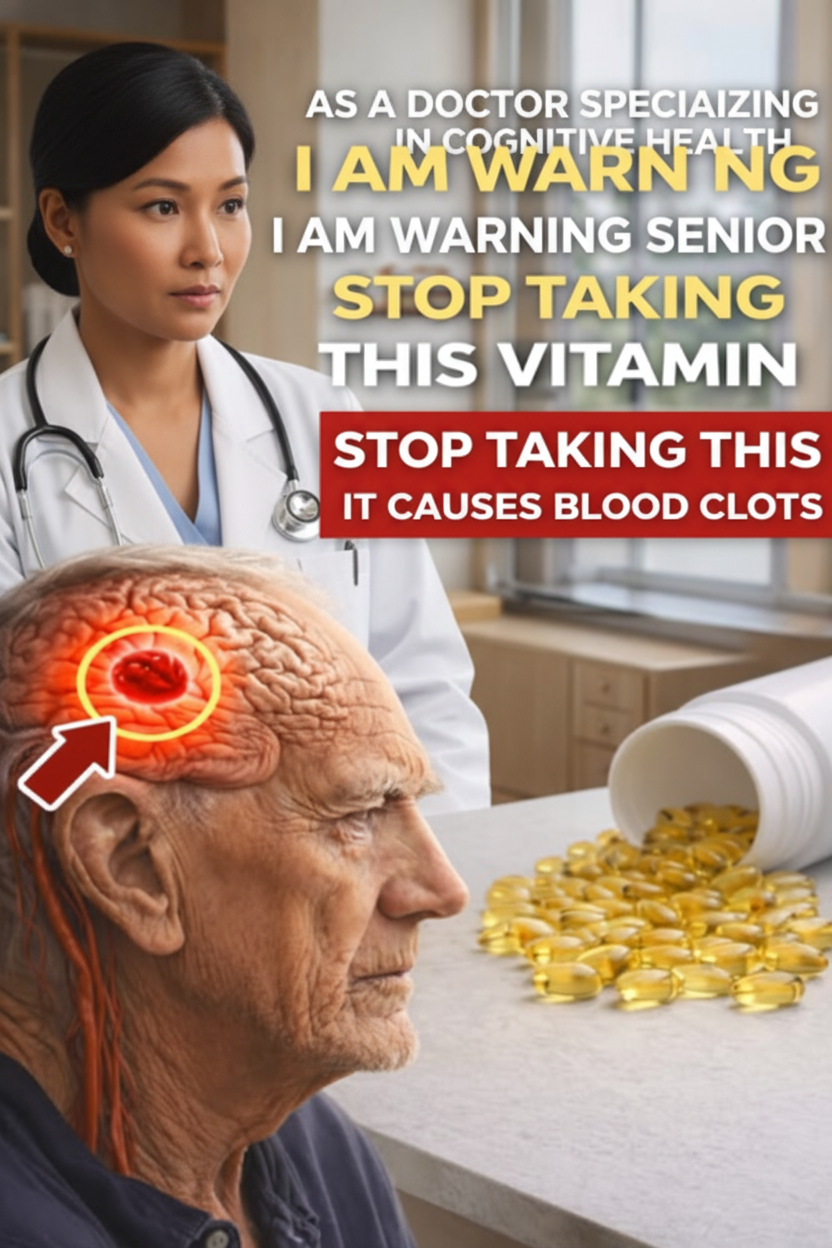
Why Clickbait Makes It Worse
Let’s get real about these internet clowns. Here’s the reality: these images and headlines are designed to grab attention and make you soil your pants, not to convey facts. They’re slinging:
- Fear of stroke or sudden illness
- Urgent language (like “I am begging you!”)
- Visual cues like brains and red blood clots
This ain’t medical advice, folks. These are cheap marketing tactics, pure and simple. Don’t let them pump you full of anxiety – your actual risk depends on your personal health profile, not some generic, fear-mongering headline.
Practical Steps Seniors Can Take
Alright, enough with the doom and gloom. Here’s the *real* game plan. This is the part that matters: what you can do today to protect yourself without ditching your supplements like some scaredy-cat, unnecessarily:
- Review all your medications and supplements with your doctor: Drag *every single bottle* to your next appointment. Ask about interactions that could affect clotting. No excuses!
- Stick to recommended doses: Especially those fat-soluble vitamins (A, D, E, K) – they can build up if overused! Don’t be a hero, follow the damn label carefully or use a pill organizer, genius.
- Maintain an active lifestyle: Get off your butt! Walk daily, stretch, or do gentle exercise. Sitting around for prolonged periods is a one-way ticket to clot city.
- Monitor your health metrics: Keep an eye on that blood pressure, cholesterol, and blood sugar levels. These numbers tell a story, and they can all influence clot risk. Regular checkups reduce unexpected complications.
- Educate yourself using trusted sources: Stop getting your medical advice from TikTok. Go to the pros: reputable sites like Healthline, WebMD, and NIH provide evidence-based guidance. Real info, no BS.
Here’s What Seniors Often Confuse
Let’s clear up some serious confusion, because these myths are costing you peace of mind. It’s time to separate the facts from the total garbage you’ve been fed:
| Myth | Reality |
|---|---|
| “All vitamins can suddenly cause clots.” | Only certain high-dose supplements, especially with blood-thinning medications, could affect clotting. |
| “Natural supplements are always safe.” | Natural doesn’t mean risk-free; interactions exist. |
| “If a headline is alarming, I should stop immediately.” | Verify with your doctor first; most headlines exaggerate. |
Actionable Tips for Safe Supplement Use
Want to use supplements like a pro, not a dummy? Here are the insider tips for safe supplement use:
- Keep a supplement journal to track what you take and when. No guessing games!
- Schedule annual lab tests to catch deficiencies or excesses early. Getting those blood tests saves you a world of hurt!
- Avoid combining multiple fat-soluble vitamins unless prescribed. Seriously, don’t mix and match these without a doctor’s green light; you could be overdoing it.
- Ask your doctor about alternatives if you’re concerned about your current supplements or their interactions. Don’t just suffer in silence!
There you have it – the straight talk on vitamins, blood clots, and how to stay sharp without falling for every scare tactic out there. Your health is too important to be messed with by misinformation, so arm yourself with knowledge!
Stay informed, stay healthy, and keep crushing it! We’ve got plenty more quality content just like this waiting for you on our site. Dive in and keep learning!