 By admin
 Cervical Cancer: The Nasty Truth & Warning Signs No Woman Can Afford to Miss
Listen up, ladies! We all do it – brush off that weird spotting, funky discharge, or nagging pelvic ache as “just my period” or “stress.” But here’s the raw truth: when those sneaky changes stick around or just feel off, they could be screaming for a doctor’s attention. Let’s be real, keeping tabs on your body can feel like a whole job, especially when life’s a whirlwind and symptoms seem minor. But don’t you dare tune out! Here’s the good news: knowing what to look out for and taking a few simple steps can give you massive peace of mind and keep you miles ahead in your health game, in ways you never saw coming.
Why You *Absolutely* Need to Wake Up and Pay Attention
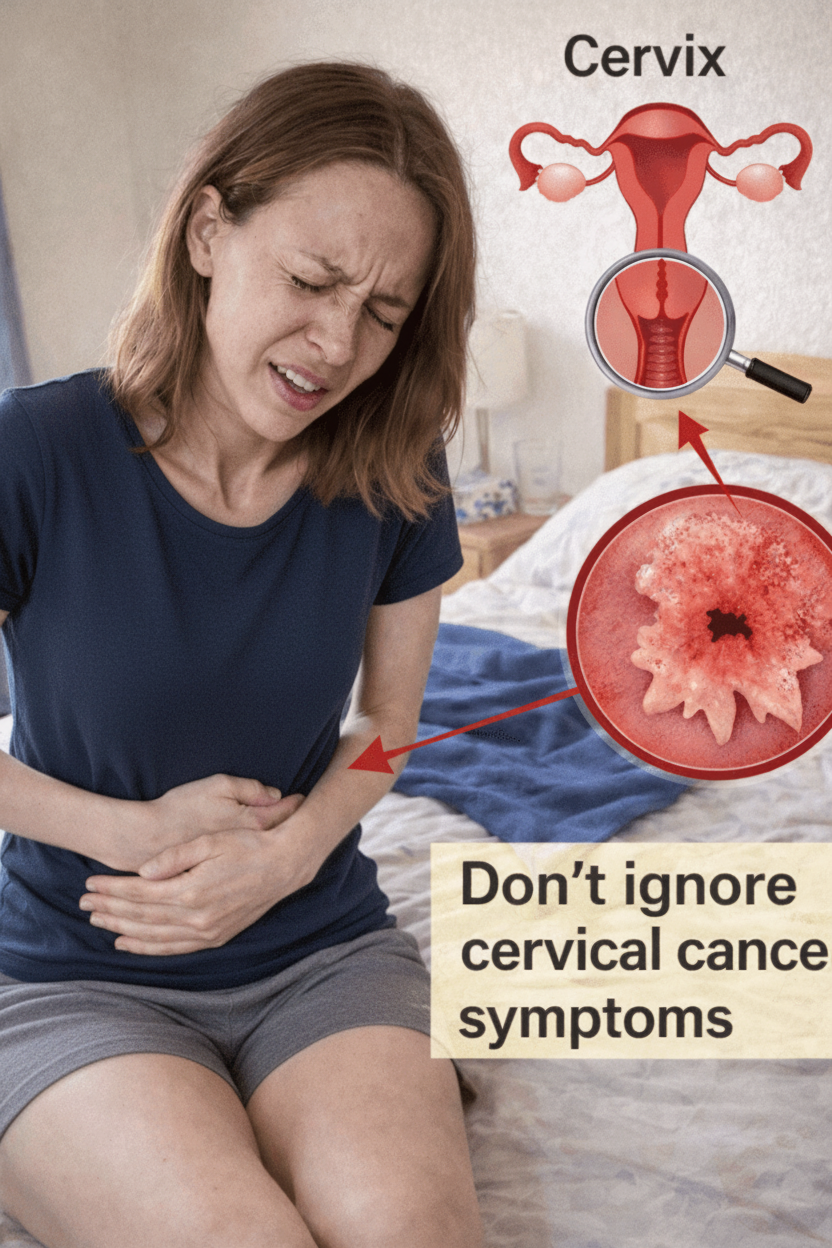
Alright, let’s get down to brass tacks. Cervical cancer kicks off in those cells chilling in your cervix – that’s the bottom bit of your uterus, connecting to your vagina. The real kicker? In the early days, this sneaky beast often shows *zero* signs. Zip. Nada. And that, my friends, is precisely why those routine check-ups are non-negotiable. As it tries to get comfortable, though, some red flags might start popping up. Big names like the American Cancer Society and Mayo Clinic aren’t just blowing smoke when they say knowing these shifts can get you talking to your doc *pronto*. But here’s the deal – most of these symptoms can also be blamed on a bunch of other common stuff, like infections or your hormones acting up. So, this isn’t about freaking out; it’s about getting smart and taking back your power. Knowledge is your best weapon, not your biggest fear!
The *Real* Scoop: Symptoms Women Are Actually Reporting
Medical pros aren’t messing around – they’re pointing out some serious changes that demand a closer look if they just won’t quit. We’re talking:
- Bleeding that’s just plain weird: Like spotting after you’ve been intimate, bleeding between your regular cycles, or even after menopause has kicked in. That ain’t normal, sis!
- Your period goes rogue: Suddenly heavier, dragging on forever, or just completely off its usual schedule.
- Discharge that’s giving you bad vibes: Watery, pink, brown, or sporting an odor that makes you wrinkle your nose. Trust your gut on this one.
- Pain during or right after sex: If it hurts, it’s not right. Period.
- That nagging pelvic or lower back pain: The kind that just hangs around, totally unrelated to your monthly visitor.
These are the big ones, the signs you’ll hear about everywhere. If *any* of these ring a bell, your next move is simple: call your doctor. No need to hit the panic button just yet. Here’s a little secret: even when these symptoms pop up, they often point to something way less scary and totally fixable. But here’s the undeniable truth: getting it checked out gives you answers, and it gives them to you *fast*. Don’t leave yourself guessing!
When Things Get *Serious*: Later-Stage Warning Signals
If this thing gets a head start and makes itself at home, some women might start noticing even more unsettling changes. These are the ones that really demand attention:
- Stubborn abdominal or lower back pain: We’re talking weeks of this nonsense, not just an off day.
- Feeling wiped out for no reason: Unexplained fatigue, dropping weight without trying, or suddenly losing your appetite. Your body’s telling you something.
- Peeing constantly or it hurts like heck: Don’t ignore bladder troubles.
- One leg swelling up or hurting: This is a big one; don’t brush it off.
Again, yeah, these can also be a million other things. But that’s precisely why getting a pro’s eyes on it is the *only* smart play. Here’s the golden rule: Keeping a record of how these patterns evolve gives your doctor the clearest, most undeniable picture when you finally sit down with them. It’s your health detective work!
Your Secret Weapon: The Undeniable Power of Regular Screenings
Let’s talk about a game-changer. Studies don’t lie: cervical cancer rates have taken a nosedive, and we owe a huge thanks to those widespread Pap and HPV tests. These bad boys are saving lives! The big shots at the U.S. Preventive Services Task Force say get your first screening around 21 and keep going until you’re 65, with your doc tailoring the schedule just for you. For many women aged 30 to 65, an HPV test every five years or a combo test is the way to go. But here’s the kicker: knowing your symptoms and getting those checks done work like a dynamic duo. Together, they build a fortress around your health – an iron-clad safety net you can count on.
No Excuses: Quick Moves You Can Make *Right Now* to Take Control
You don’t need to flip your whole life upside down to take charge of your health. Nope. Here are five rock-solid, practical habits you can grab onto today:
- Start a quick symptom diary: Grab your phone’s notes or a simple app. Jot down any weird bleeding, funky discharge, or pain for two to four weeks. This is your evidence, your proof!
- Lock in that next wellness visit: Even if you feel like a million bucks, bring up *any* changes during your annual check-up. Don’t hold back!
- Get the lowdown on the HPV vaccine: If you’re under 45 and haven’t gotten it, a quick chat with your doc can clear up if it’s your next smart move.
- Master everyday protective habits: Listen, consistent condom use and ditching the smokes are like bodyguards for your reproductive health. Science backs this up!
- Spill the beans on your family history: Tell your doctor if any close relatives battled cervical cancer or similar issues. This helps them custom-build *your* screening plan.
These aren’t massive tasks; they slide right into your busy life and give you a huge sense of control. But wait, there’s more! When you mix these habits with honest, open talks, that awareness transforms into pure, unshakeable confidence. You’ve got this!
So, You’ve Booked It: What to Expect When You See the Doc
Alright, you made the call – good for you! When you finally sit down with your provider, they’ll probably start with a pelvic exam. Don’t sweat it. Then, they might suggest a Pap smear or an HPV test. Depending on what those results spill, they’ll guide you on the next steps. The bottom line? The mission is always crystal clear: find out what’s really going on, get to the root of it, and get you back to feeling your best.
Remember, your health is your wealth. Don’t gamble with it. We’re here to empower you with the knowledge you need to live your best life. Keep exploring our site for more vital health insights and tips that truly matter!