 By admin
 Thursday, April 2 2026 Facebook Twitter Pinterest Home Herbal Medicine Home Tips Garden Tips Healthy Life Search Search for: Account Thursday, April 2 2026 Search Search for: Menu Home » Healthy Life » A new Johns Hopkins study reveals how your arm position during blood pressure checks could affect the numbers you see
A new Johns Hopkins study reveals how your arm position during blood pressure checks could affect the numbers you see
Alright, listen up! Ever wonder why your blood pressure numbers sometimes feel like they’re playing tricks on you? A recent, eye-opening study from Johns Hopkins Medicine just spilled the beans, revealing that something as ridiculously simple as where you park your arm during a blood pressure check can totally skew those critical numbers. Seriously, it’s a game-changer! Many folks just kick back, arm dangling or chilling on their lap, only to get slapped with a higher-than-expected reading. This seemingly tiny detail, my friends, can tack on several extra points to your measurement, potentially pushing a perfectly normal result straight into the dreaded ‘high blood pressure’ zone. Don’t get played by your own arm!
The researchers found that if your arm isn’t properly supported during a blood pressure measurement, you’re looking at readings that are practically guaranteed to be overestimated. And guess what? That can seriously mess with how your healthcare provider interprets your results, leading to unnecessary worry or even medication. But here’s the good news, the silver lining in this whole blood pressure drama: by simply following the standard guidelines for arm position, you can dramatically improve the reliability of your measurements. It’s that easy!
Keep reading, because we’re about to dive deep into the juicy findings from this groundbreaking research. We’ll uncover why this seemingly minor detail is a HUGE deal for your daily health checks and, more importantly, what practical, no-nonsense steps you can take next time you get your blood pressure taken. Your health is on the line, so let’s get you squared away!
What the Johns Hopkins Study Revealed About Arm Position
This wasn’t just some casual observation; we’re talking about a serious crossover randomized clinical trial, published in the prestigious JAMA Internal Medicine. They put 133 adults through the paces, comparing three common arm positions during blood pressure measurements. The gold standard, the reference position, was the one following all the rules: arm supported on a desk or table, with the middle of the cuff perfectly aligned at heart level. Simple, right?
But here’s where it gets wild: When participants just casually rested their arm on their lap instead, their systolic blood pressure (that’s the top number, folks) was overestimated by a hefty 3.9 mmHg on average. And the diastolic (the bottom number)? That shot up by 4.0 mmHg. Even worse, if their arm was left hanging unsupported by their side, the differences were even more shocking: systolic readings spiked by a whopping 6.5 mmHg, and diastolic by 4.4 mmHg, compared to that proper, supported desk position. Talk about a wake-up call!
Now, you might be thinking, “Eh, a few points, what’s the big deal?” But trust me, these differences are far from trivial. Imagine a reading of 123 mmHg systolic. With improper positioning, that could suddenly jump to 129 or even 130 mmHg. That small bump can be the difference between a clean bill of health and crossing into categories that demand closer monitoring, more doctor visits, or even the start of medication. This isn’t just numbers; it’s your life we’re talking about!
The study’s authors, including the brilliant senior author Dr. Tammy Brady from Johns Hopkins, didn’t mince words. They emphasized that arm position makes a “huge difference” in the accuracy of your blood pressure readings. And guess what? These findings aren’t new; they perfectly back up what organizations like the American Heart Association have been screaming about for ages: proper arm support is CRUCIAL to avoid overestimation. So, no excuses!
Why Arm Position Affects Blood Pressure Readings
So, why does your arm’s hangout spot matter so much? It all boils down to physics and physiology. Blood pressure measurements rely on the cuff accurately detecting the pressure in your brachial artery. When your arm is below heart level or just dangling without support, gravity and muscle tension start playing havoc with your blood flow and, consequently, those delicate pressure readings. Supporting your arm on a firm surface, right at heart level, helps keep everything consistent and aligned with standard protocols. It’s like setting the stage perfectly for an accurate performance.
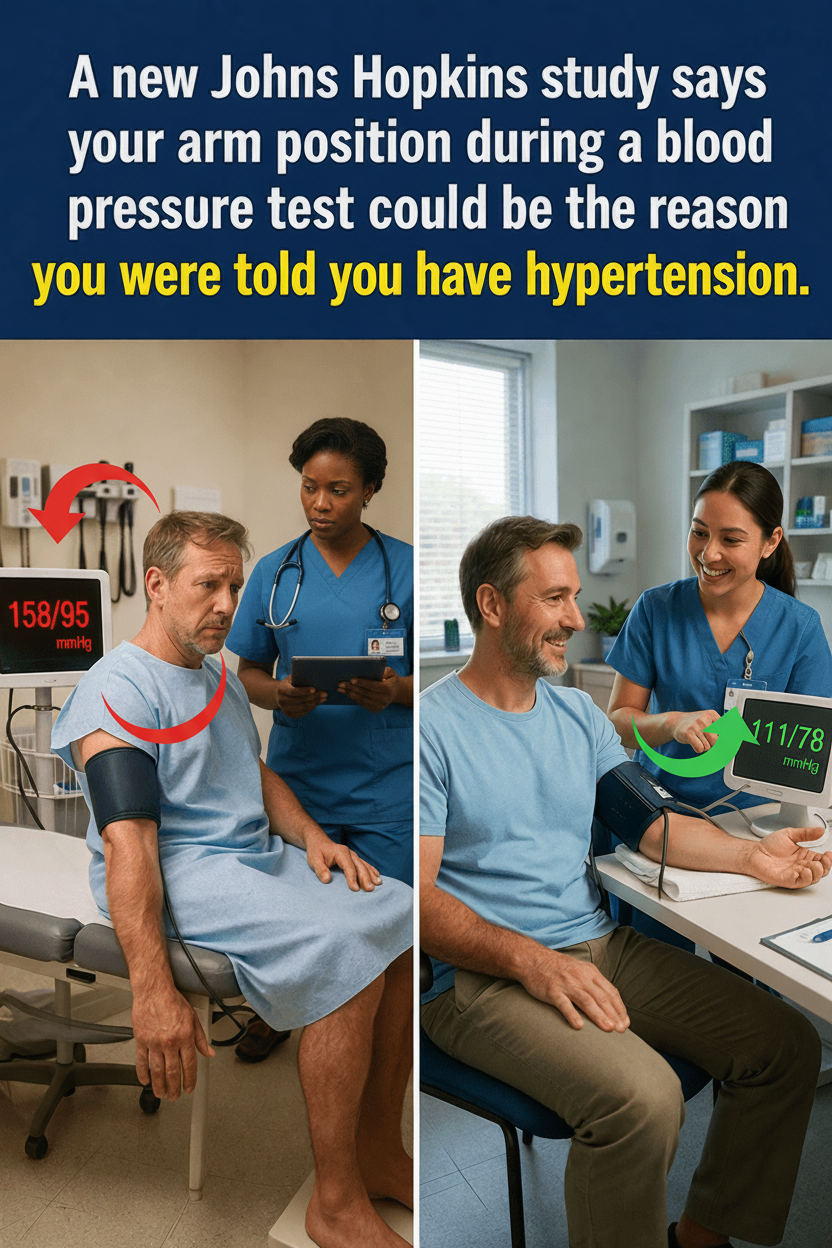
But here’s the part many, many people overlook – and it’s a big one! In the hustle and bustle of busy clinics, or even when using home monitors, folks often just relax in whatever position feels easiest. That means letting an arm dangle like a lazy noodle or resting it casually in their lap. The research is crystal clear: these common habits aren’t just one-off mistakes; they can lead to consistently higher blood pressure readings over time. You’re essentially giving yourself a false positive!
But wait, there’s more to this accuracy puzzle! While arm position emerged as a key variable in this study, other subtle factors also play a role. We’re talking about things like having proper back support, keeping your feet flat on the floor, and even ensuring you have an empty bladder. Every little detail contributes to getting a truly accurate picture of your blood pressure. Don’t cut corners when your health is on the line!
Comparing Arm Positions: A Quick Breakdown
To make it crystal clear and leave no room for doubt, here’s the no-nonsense breakdown of how these arm positions stack up, straight from the Johns Hopkins findings. Pay attention, because this could be the difference between a calm day and a stress-filled one:
- Arm supported on a desk/table (recommended): This is your baseline, your gold standard. Accurate reading, cuff perfectly at heart level. This is where you want to be.
- Arm resting on lap: Danger zone! Expect your Systolic to be about +3.9 mmHg higher, and Diastolic +4.0 mmHg higher on average.
- Arm hanging unsupported at side: The worst offender! Your Systolic could jump by a shocking +6.5 mmHg, and Diastolic by +4.4 mmHg higher on average.
And here’s the kicker: these overestimations weren’t just random flukes. They were consistent across all age groups, genders, and every other subgroup in the study. This isn’t some niche problem; it’s universal. So, no matter who you are, this applies to YOU!
Practical Tips for More Accurate Blood Pressure Checks
Alright, enough talk about what *not* to do. Let’s get down to business and empower you with the knowledge to get the most accurate blood pressure readings possible. Next time you’re getting your blood pressure measured, whether you’re at the doctor’s office or using your trusty home monitor, follow these simple, non-negotiable steps. Your health (and your peace of mind) will thank you:
- Demand proper support: Politely but firmly ask for your arm to be supported on a table or desk. Make absolutely sure the cuff is positioned at heart level. Don’t be shy; it’s your health!
- Sit up straight, feet flat: Get that back straight against the chair, and both feet planted firmly on the floor. Absolutely no crossing your legs – that can mess things up too!
- Chill out for a few: Take a few minutes to rest quietly before the measurement even begins. Let your body settle down.
- Silence is golden: During the reading, zip it! Avoid talking, crossing your legs, or tensing any muscles. Just breathe and relax.
- Home monitoring? Same rules apply: If you’re using a home device, stick to these exact same positioning guidelines. And here’s a pro tip: take your readings at consistent times each day for the most reliable trends.
These aren’t complicated maneuvers, folks. These adjustments are easy to implement and can make a world of difference, providing you with numbers that truly reflect your usual blood pressure. Stop guessing; start knowing!
Why This Matters for Your Health Monitoring
Look, accurate blood pressure readings aren’t just about numbers on a screen; they’re about informed decisions for your health. Getting a falsely high reading because of a simple arm position mistake can lead to unnecessary anxiety, costly follow-up tests, or even being prescribed medication you don’t actually need. On the flip side, consistent, accurate measurements mean you and your doctor can track your true cardiovascular health, identify real issues early, and make the right choices to keep your heart pumping strong. Don’t let a sloppy arm position put your health in jeopardy or send you down a path of unneeded worry. Take control, get it right, and empower yourself with the real data!
Thanks for diving deep into this critical health topic with us! We hope this no-nonsense guide helps you take charge of your blood pressure measurements. Your well-being is our top priority, and we’re committed to bringing you the most impactful, actionable health insights. Keep exploring our site for more expert tips and groundbreaking research that can truly make a difference in your life!