 By admin
 Let’s be real, who *hasn’t* stared in the mirror, totally fed up with that uneven skin tone, those sneaky fine lines popping up, or those under-eye shadows screaming “I’m exhausted!” even after you’ve clocked a full eight hours? It’s a confidence killer, making your daily skincare routine feel like a never-ending battle for that fresh, smooth look. But here’s the buzz: You’ve probably heard whispers in natural beauty circles about humble household heroes like baking soda (yeah, plain old sodium bicarbonate) for its supposed magic in gentle exfoliation and brightening. Sounds tempting, right? Hold your horses! Before you dive headfirst into any new facial skincare routine, you absolutely need to know the real deal. This guide isn’t just about throwing baking soda on your face; it’s about understanding the *smart*, *safe* ways to consider it, all backed by solid dermatological insights. Let’s separate the hype from the help, shall we?
Baking Soda for Your Face: What’s the Big Deal, Anyway?
So, what’s the scoop on baking soda? It’s a mild alkaline substance, a real old-school champ in the world of home remedies. When you whip it into a paste, its slightly abrasive texture *can* work as a gentle exfoliant, helping to scrub away those pesky dead skin cells chilling on your face. Plus, some studies and derm reviews even hint at its potential antibacterial effects, which *might* help keep your skin feeling clean. Sounds promising, right? But here’s the kicker, and listen up: While it’s got some buzz, experts are quick to point out that the evidence for any *dramatic* skin transformations is pretty thin. The biggest red flag? Baking soda’s pH is sky-high (around 8-9), a far cry from your skin’s natural, happy acidic balance (4.5-5.5). This isn’t just a minor detail; it means you *have* to use it super thoughtfully, or you risk messing with your skin barrier big time. Don’t say we didn’t warn you!
So, What’s the Real Payoff? (If You Play It Safe)
Alright, if you’re still dead-set on giving it a shot, here’s the lowdown on what baking soda *might* do for your skin, *only* if you use it sparingly and dilute it properly. We’re talking baby steps here, folks:
- It *could* help with some mild surface exfoliation, giving you a temporary boost in skin texture and a bit more brightness. Think of it as a quick polish, not a deep overhaul.
- Might lend a hand in keeping your skin environment a bit cleaner, thanks to those potential antibacterial vibes we mentioned. Good for basic upkeep, not a breakout cure.
But hold up! While your friend’s cousin’s sister might swear by it (we’ve all heard the anecdotal reports), dermatologists are pretty clear: for serious issues like hyperpigmentation or those stubborn fine lines, the scientific evidence for baking soda is, well, *scant*. Don’t get it twisted. If you’re looking for real brightening power, proven heavy-hitters like Vitamin C or Niacinamide are where the smart money is, backed by solid research. Just sayin’.
STOP! Read This Before You Even Think About It (Seriously, Your Face Depends On It)
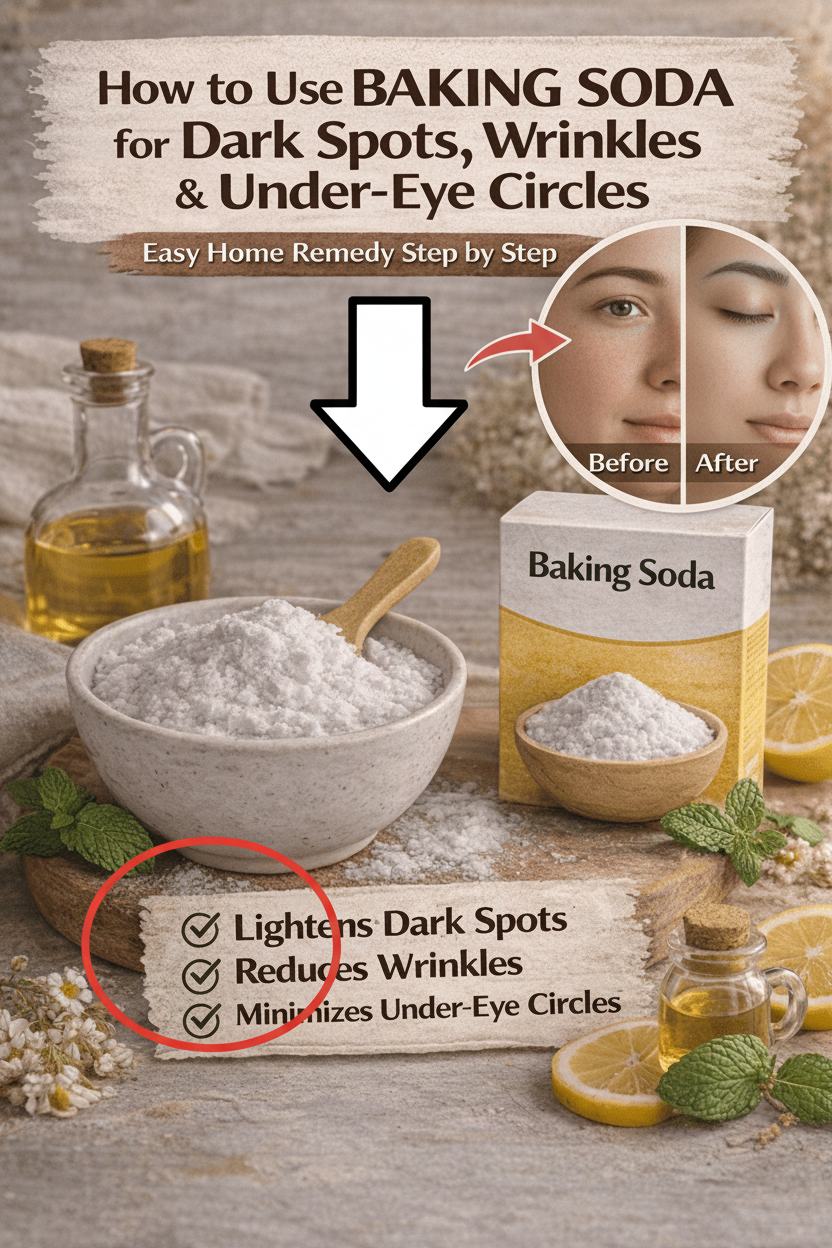
Listen up, because this is the make-or-break part: Baking soda is *not* a one-size-fits-all solution, and it definitely ain’t for everybody. That abrasive kick can easily lead to irritation, dryness, or even completely wreck your skin barrier, especially if your skin is already sensitive, dry, or just plain compromised. Derms are practically screaming from the rooftops: *Do not* use this stuff frequently! You’re asking for redness, increased sensitivity, and in some cases, you might even *worsen* that uneven tone you’re trying to fix. Here’s your non-negotiable rule: ALWAYS, and we mean ALWAYS, do a patch test first. Dab a tiny bit on your inner arm, chill out for 24 hours. No drama? Then *maybe* proceed, but with extreme caution. And for the love of good skin, limit this experiment to 1-2 times a week *at most*. Your delicate eye area? Forget about it – unless it’s super diluted and you’ve got a pro guiding you. No shortcuts here!
Okay, You’re Still Here. Here’s How to Play It Safe (If You Really Insist)
Alright, since you’re still with us and curiosity’s got the best of you, here’s the ultra-cautious, no-drama approach that *some* folks find tolerable. Remember, gentleness is the name of the game, not a full-on scrub-down! First, grab only high-quality, pure baking soda – we’re talking food-grade here, not something from the garage. Next, mix a tiny bit (like half a teaspoon) with water or a gentle base like honey or aloe vera to make a soft paste. Big warning: DO NOT even *think* about adding harsh stuff like lemon juice; that’s just asking for trouble and major irritation. Then, cleanse your face with a mild cleanser. Now, apply the paste, massaging it super gently in circles for just 20-30 seconds, sticking to non-sensitive areas. Rinse it all away thoroughly with lukewarm water. And finally, immediately follow up with a solid hydrating moisturizer to help your skin recover! This isn’t about going hard; it’s about being as gentle as humanly possible. Got it?
Beyond Baking Soda: Real Talk for Seriously Good Skin
Look, your skin health is a marathon, not a sprint, and it’s definitely not about one miracle ingredient. To truly get that glowing, healthy skin you crave, here’s some real talk:
- Sunscreen, Every Single Day: Seriously, no excuses. Broad-spectrum SPF is your ultimate shield against UV damage, which is the #1 culprit for aging skin. Don’t skip it!
- Hydrate Like Your Life Depends On It: Get those hydrating heroes like hyaluronic acid into your routine. Happy skin is plump, moisturized skin.
- Consistency is King (or Queen): Stick to a gentle cleansing and moisturizing routine, day in and day out. Your skin loves routine, not random experiments.
- When in Doubt, Ask a Pro: Got persistent skin issues? Don’t play guessing games