 By admin
 Toenail Fungus: Don’t Let It Win! Spot the Signs & Kick It Out at Home
Listen up, folks! Ever caught a glimpse of your toenails and thought, ‘What the heck is going on down there?’ You’re not alone. That yellowing, thickening, or crumbling mess isn’t just ‘wear and tear’ – it’s often a sign of something nastier brewing. It’s frustrating as hell when your feet look jacked up, especially in sandals or during summer. What starts as a tiny spot can turn into a full-blown invasion, making those nails tough to trim and a real pain in tight shoes. But here’s the straight dope: you can fight back. Knowing what you’re up against and hitting it with consistent, smart moves can totally turn the tide for your nail health.
What Toenail Fungus Actually Is
Alright, let’s get real about toenail fungus, or as the docs call it, onychomycosis. This ain’t just some random gunk; it’s a full-on fungal invasion, with tiny organisms sneaking under or into your nail. These little bastards absolutely love warm, damp places – think of it as their five-star resort. They slowly but surely wreck your nail’s structure. According to the pros, it usually kicks off as a tiny white or yellow-brown speck under the tip. But don’t let that fool you; as it digs in deeper, your nail can transform into something truly gnarly.
So, how do you know if you’ve got this unwelcome guest? Watch out for these red flags:
- Thickened nails that feel like rocks and are a nightmare to cut.
- Ugly discoloration – from a sickly yellow or white to a murky brown.
- Brittle, crumbly, or ragged edges that just fall apart.
- Distorted or misshapen nail growth that looks nothing like a healthy nail.
- Sometimes, it even pulls away from the nail bed, or you might notice a subtle, funky mild odor.
Why do your toes get the raw end of the deal more than your fingers? Simple: your feet are practically living in a sauna! Socks and shoes create that ideal, damp, dark environment these fungal infections crave. Studies show it’s a bigger problem as you get older, especially if you’re always rocking sweaty feet or risking it barefoot in public spots like locker rooms and pools. It’s a breeding ground, plain and simple.
Why Correct Identification Matters More Than You Think
Hold up! Before you go full-on warpath, know this: not every messed-up nail is toenail fungus. A lot of other stuff can mimic it, and just blindly blasting away with treatments without knowing what you’re fighting is a guaranteed recipe for disappointment. We’re talking about things like nail trauma from shoes that are too tight, a nasty stub, psoriasis (which can make your nails pitted and thick), nasty bacterial infections, or even just the plain old crap that comes with getting older.
So, how do you tell the real enemy from a decoy? Here’s a quick-and-dirty breakdown to clue you in:
- Toenail Fungus: Usually kicks off at the tip or sides, spreads like a slow-motion horror film, often rocks a sickly yellowish or brownish shade, might have a faint funk, and usually starts by hitting just one or two nails.
- Psoriasis: This bad boy tends to hit multiple nails (even your fingernails, watch out!), often leaves tiny pits or dents, and usually brings along skin patches elsewhere on your body.
- Trauma or Injury: If your nail suddenly looks like hell after you dropped a brick on your foot or got your toe jammed, that’s nail trauma, not a slow-spreading fungus.
- Bacterial Issues: These move fast, bringing redness, swelling, or even a gross greenish tint – totally different from the typical fungal yellow-brown.
If those drugstore remedies aren’t cutting it after a few weeks, or if you’re still scratching your head, get off the couch and see a pro. A simple nail clipping test can give you the definitive answer. Trust me, misdiagnosis is a total time and money sink – a lesson many folks learn the hard way after months of throwing cash at the wrong problem.
Common Mistakes That Slow Progress
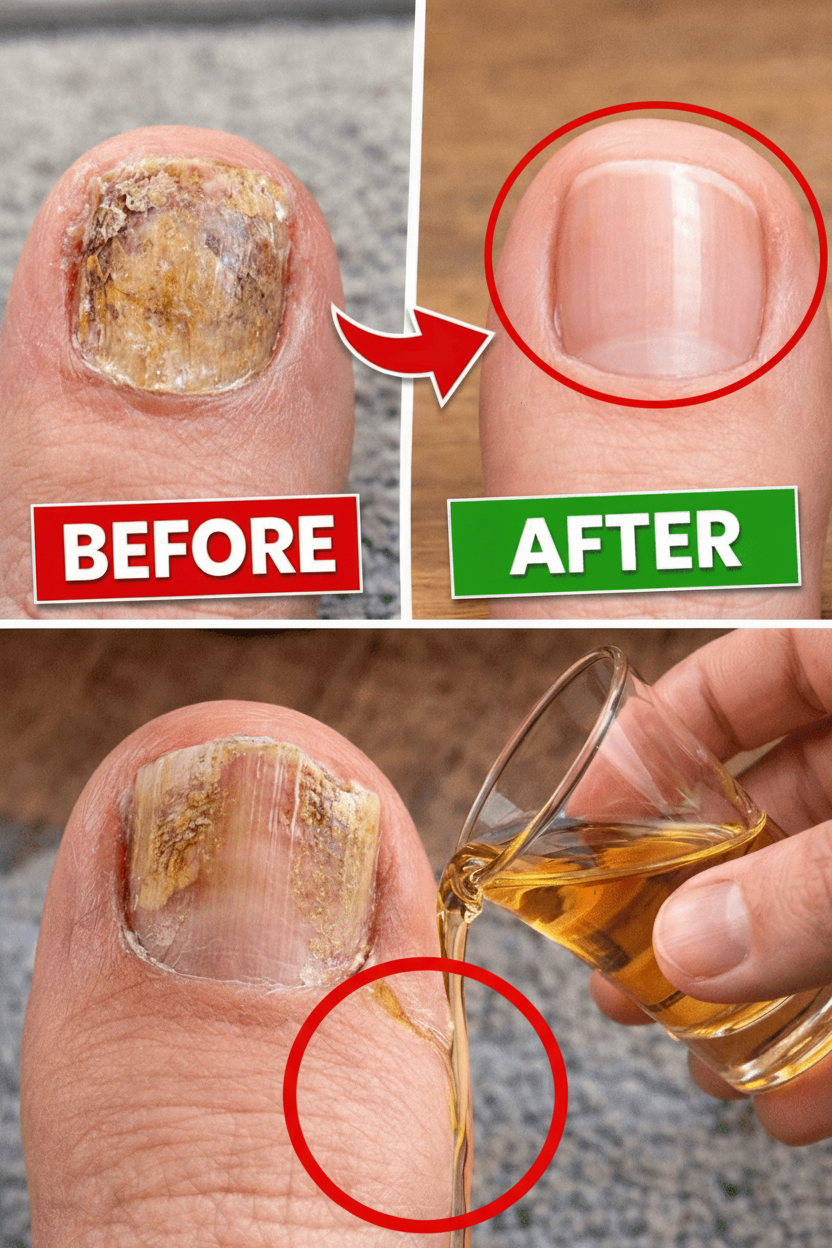
Look, you might have the best intentions, but some sneaky habits can totally sabotage your progress. A lot of people start strong, hyped up to fix their nail health, but then they just fizzle out.
Don’t be that person! Here are the common screw-ups that’ll slow you down:
- Starting any kind of treatment without actually knowing what you’re fighting first. That’s just dumb.
- Thinking home remedies alone will magically fix severe or long-standing toenail fungus. Sometimes you need the big guns.
- Quitting too early! Your nails grow slow as molasses – a full new healthy toenail can take 6-12 months. Patience, grasshopper.
- Completely forgetting that moisture and footwear are constant players in this game. They’re either your allies or your enemies.
But here’s the kicker: it’s not just about what you put on your nails. You gotta tackle the whole damn environment around your feet. That’s where the real long-term wins happen.
Daily Habits That Support Nail Health
Forget those intense, one-off treatments. When it comes to your feet, consistent, everyday hustle trumps everything. Simple, disciplined routines can make your feet a super unwelcome place for that nasty fungal growth. Science backs this up: keeping your feet bone-dry and squeaky-clean is your absolute secret weapon for killer nail health.
So, roll up your sleeves and get these non-negotiable steps into your daily grind:
- Scrub those feet daily with a gentle soap, then dry ’em like your life depends on it – especially between the toes, where moisture loves to hide.
- If your socks feel even a hint damp, swap ’em out. Invest in some good moisture-wicking socks; they’re a game-changer.
- Don’t wear the same shoes two days in a row! Give each pair a full 24 hours to air out completely. Seriously, rotate your kicks.
- Rock breathable footwear and for the love of all that is holy, never walk barefoot in public germ factories like pools or gyms.
- Trim nails straight across, and gently file down any thickened areas after a good soak. This helps your treatments actually penetrate.
Nail these habits, and you’re not just fighting existing problems; you’re building an impenetrable fortress against future toenail fungus flare-ups. This is how you reclaim your feet!
Options for Supporting Mild Cases at Home
If you’re just seeing the first signs, or it’s a superficial skirmish, plenty of folks start with accessible home remedies. You can grab over-the-counter antifungal creams, solutions, or nail lacquers pretty much anywhere. And hey, some people swear by natural options like tea tree oil (which studies show has some serious antifungal properties) or those menthol-based rubs. Give ’em a shot, but know their limits.
Don’t let toenail fungus keep your feet hidden. Take action, stay consistent, and get those healthy nails back! For more no-nonsense advice on keeping your body in top shape, explore other articles on our site. Your health is your wealth, and we’re here to help you protect it!