 By admin
 Why Your Skin Goes Bonkers at Night: Simple Hacks to Stop the Itch and Get Some Real Sleep!
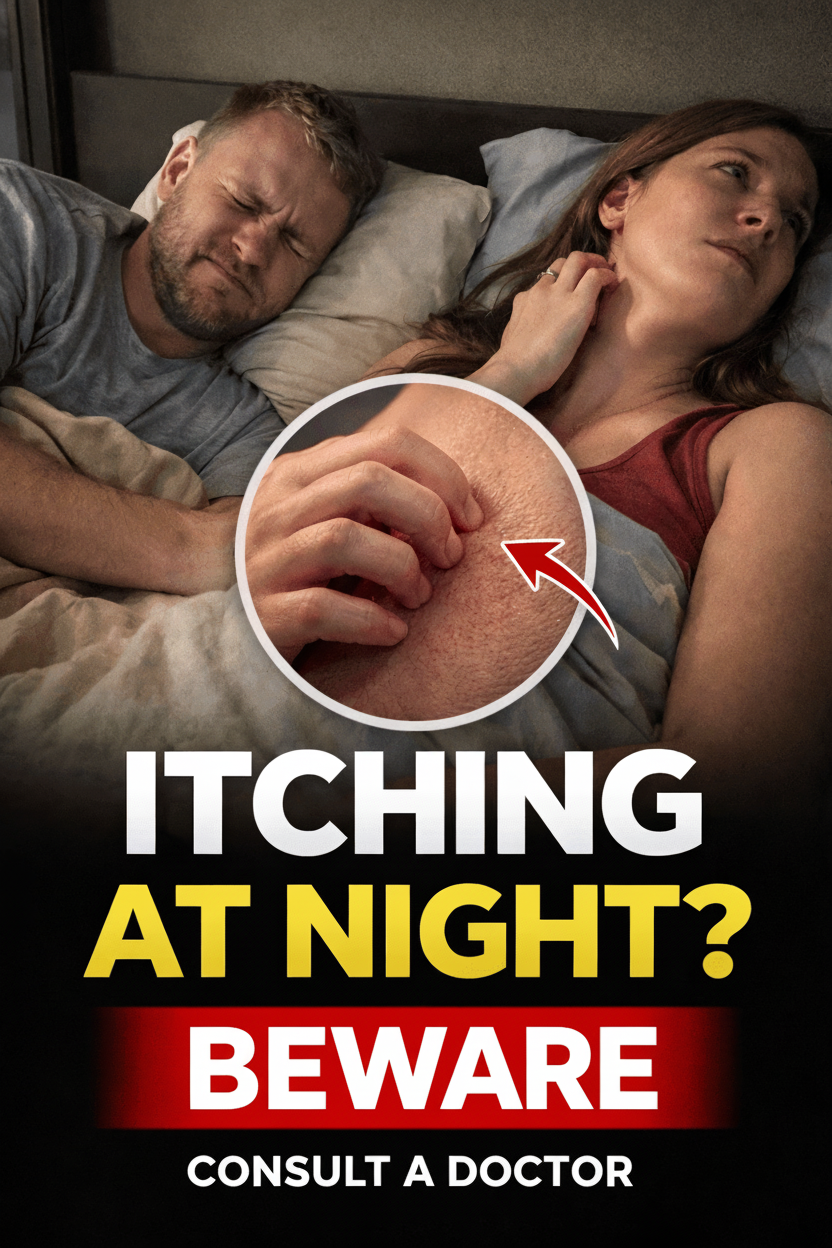
Ever find yourself doing the midnight scratch-dance, twisting and turning like a pretzel, all because your skin’s decided to throw a full-blown rave? That maddening urge to itch, man, it just *loves* to crank up the volume the second your head hits the pillow, leaving you a zombie by morning, wondering what the heck just happened to your body. You’re not alone in this nocturnal nightmare; plenty of folks deal with this nighttime itching, officially known as nocturnal pruritus. At first, it might just feel like a minor annoyance, but trust us, it’s a stealthy sleep thief that can quietly wreck your rest and drain your daily energy. The good news? Once you get a handle on what’s going down and tweak a few things, you can seriously turn the tide and finally feel comfortable in your own skin again. So, let’s dive in!
Why Does That Dang Itch Get Worse After Dark?
Alright, so why does your skin decide to go rogue precisely when the sun goes down? Blame your body’s internal clock, the circadian cycle – that 24-hour boss running the whole show. When evening rolls in, your core body temperature starts doing its own thing, blood rushes to your skin like it’s a party, and those inflammatory signals? They’re practically screaming, while your body’s natural chill-out hormones are taking a nap. Talk about bad timing! Plus, your skin tends to lose more moisture overnight, leaving it feeling drier and way more sensitive. And with fewer distractions around you in the quiet of night, those nagging itchy sensations become a whole lot harder to ignore. But hold up, that’s not even the full picture. Here’s where it gets juicy: tons of everyday factors and even some deeper signals from your body can dial up the volume on that nighttime itching – and spotting them early is your secret weapon to reclaiming peaceful, comfortable evenings.
Common Reasons Your Skin Might Itch Like Crazy at Night
Let’s cut to the chase: several sneaky culprits can contribute to that annoying itch when all you want to do is catch some Zs. Figuring out which one is messing with you is the first step to telling that itch to take a hike.
1. Dry Skin and Environmental Changes
Dry skin is usually the biggest jerk in the room. Lower humidity in the air at night, especially during the bone-chilling colder months or in those air-conditioned ice boxes, can seriously make things worse. And don’t even get us started on frequent hot showers or harsh soaps – they’re stripping away your natural oils faster than you can say “itchy skin,” leaving your skin barrier weaker by bedtime.
2. Everyday Skin Conditions
Some skin issues just love to flare up or feel ten times worse once the lights go out, including:
- Eczema (atopic dermatitis)
- Psoriasis
- Hives (urticaria)
These conditions can become a real pain when your body’s natural calming mechanisms decide to slow down for the night.
3. Reactions to Your Sleep Environment
Listen up, your bedding, laundry detergent, pillowcases, or even those creepy dust mites chilling in your mattress can trigger allergic reactions that feel like a full-blown assault once you lie down. Here’s a quick hit list of common environmental triggers that might be making your skin scream:
- Fragranced detergents or fabric softeners that smell nice but irritate your skin
- Synthetic bedding materials that trap heat and make you sweat
- Dust mites or pet dander – tiny invaders causing big problems
- Residual skincare products that seemed fine during the day but irritate overnight
4. Other Possible Contributors
Sometimes, that itch without an obvious rash isn’t just skin deep. It can be linked to internal factors like shifts in hormone balance, certain medications, or even conditions affecting your nerves or organs. Research actually shows that changes in cytokines (those immune signaling proteins) and lower corticosteroid levels in the evening can seriously crank up your skin sensitivity. It’s wild, right?
When Should You Pay Closer Attention? (Seriously, Don’t Ignore This!)
Look, a mild itch here and there? Totally normal. But if you’re seeing certain red flags, it’s time to stop messing around and chat with a healthcare professional. You absolutely should reach out if that relentless itching:
- Lasts more than two weeks, even after you’ve tried some simple fixes
- Regularly keeps you from falling asleep or staying asleep – nobody needs that!
- Spreads across large areas of your body, like a wildfire you can’t put out
- Comes with other weird changes like unusual fatigue, rashes that just won’t quit, or swelling
Early awareness is your best friend here. It helps you tackle whatever might be contributing to your misery before it completely wrecks your precious rest. Don’t let it get that far!
Practical Habits to Help Soothe That Nighttime Itching (Your Skin Will Thank You!)
Here’s the best part, folks: loads of people find sweet relief just by adopting some simple, consistent habits that you can literally kick off tonight. This isn’t rocket science; it’s a straightforward approach focused on giving your skin the natural comfort it craves. Let’s get to it!
Daily Skincare Routine Adjustments
- Slather on a gentle, fragrance-free moisturizer right after hopping out of the shower while your skin is still damp – this is key to locking in that precious hydration.
- Opt for lukewarm (not scalding hot!) showers in the evening and keep them short, like 10 minutes or less. Your skin isn’t a lobster, so don’t boil it!
- Fire up a humidifier in your bedroom to pump some much-needed moisture back into the air, especially if you live in a dry climate or during those harsh winter months.
Bedtime Environment Tips
- Ditch the scratchy stuff! Switch to breathable, loose cotton pajamas and hypoallergenic bedding. Your skin deserves luxury, not irritation.
- Wash those sheets and pillowcases weekly in hot water using a fragrance-free detergent. We’re talking a full-on germ and allergen purge!
- Keep your bedroom cool and well-ventilated to avoid overheating. A cool room is a happy room for your skin.
Clinical observations and solid studies consistently show that keeping your skin hydrated and kicking irritants to the curb can noticeably ease discomfort for countless people battling dry or sensitive skin at night. So, what are you waiting for? Give these tips a shot!
We hope this deep dive helps you understand why your skin gets so fussy at night and gives you the tools to finally get some peaceful, itch-free sleep. Your journey to comfortable nights starts now! If you found this article helpful, don’t stop here! We’ve got a treasure trove of other amazing tips and insights waiting for you on our site. Keep exploring, keep learning, and keep living your best, most comfortable life!